
Further Reading

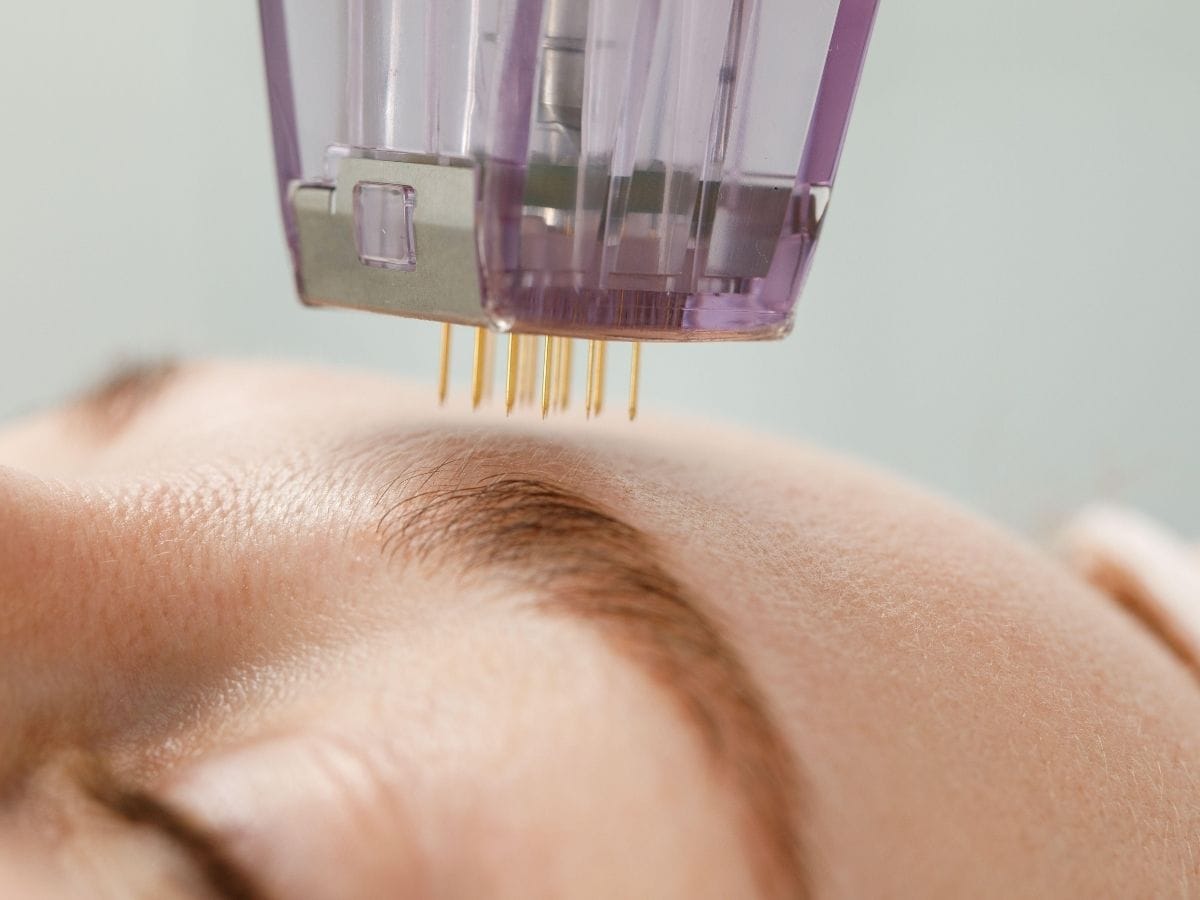
Bio-microneedling or skin needling: which one suits your skin right now?
Two treatments, almost the same name, sitting next to each other on the one menu. They are not the same thing, and the difference is depth. Our new guide sets out which complaints each one can reach, what the week afterwards asks of you, and how thin the evidence still is on the newer one.

Eyebrow tattoo gone grey or too dark: correct it, remove it, or wait it out?
Grey-blue brows, or brows that came out heavier than you agreed to, have three ways out, and only one of them is usually right for you. Our new post sets out colour correction, removal and waiting. It includes where laser is the better call, and the one risk it carries that belongs to cosmetic pigment.
What is HIFU, and how does it tighten skin?
HIFU stands for high intensity focused ultrasound. What it does under the skin, what it treats, what a session feels like, and who it is not for.
HIFU for a sagging jawline, jowls and neck: what it can and can’t lift
HIFU by age, best age for HIFU; HIFU in your 40s / 50s / 60s, too young or too old for HIFU, HIFU prevention vs correction, Uncontested age-suitability longtails, no tracked volume, foundational-content play.
Is HIFU worth it at your age? What to expect in your 40s, 50s and 60s
HIFU by age, best age for HIFU; HIFU in your 40s / 50s / 60s, too young or too old for HIFU, HIFU prevention vs correction, Uncontested age-suitability longtails, no tracked volume, foundational-content play.
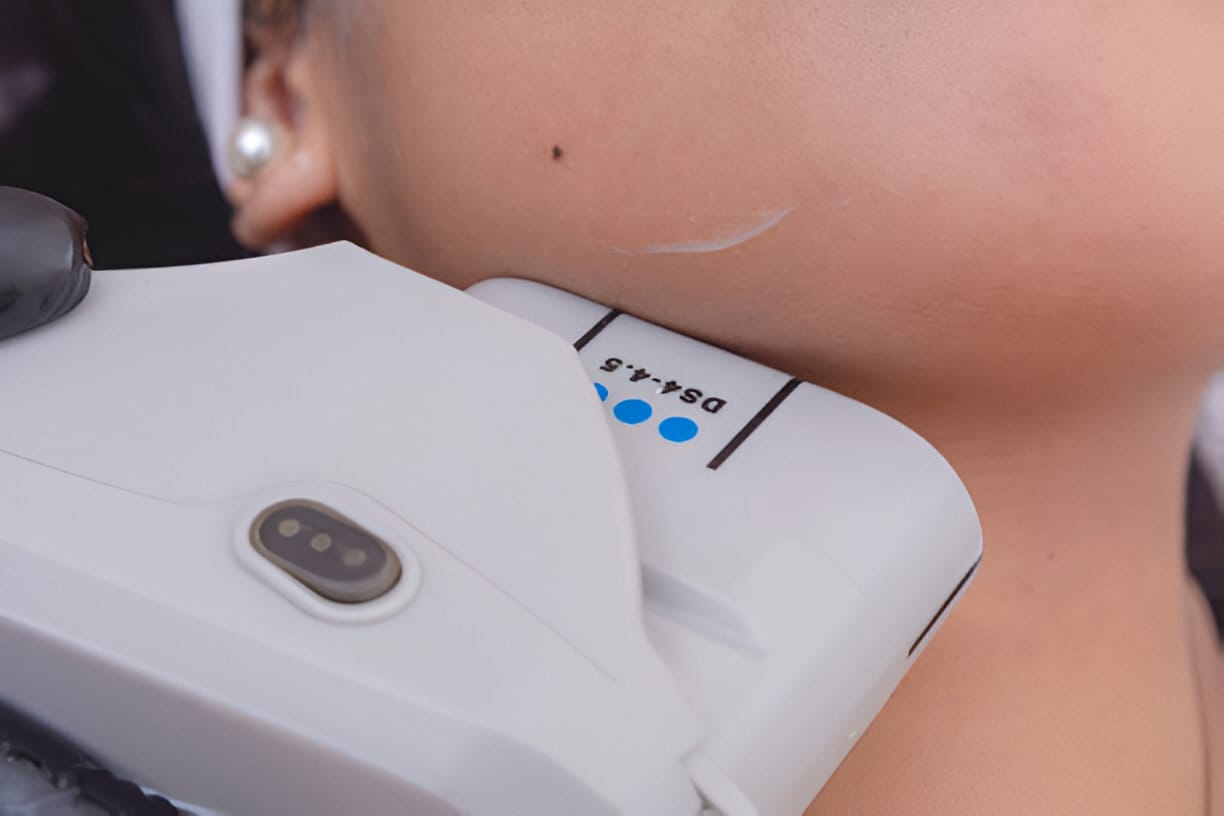
HIFU for jawline, neck and jowls: realistic results
Compare plasma skin tightening and HIFU for laxity, eyelids, jawline, downtime, healing, and realistic treatment fit.
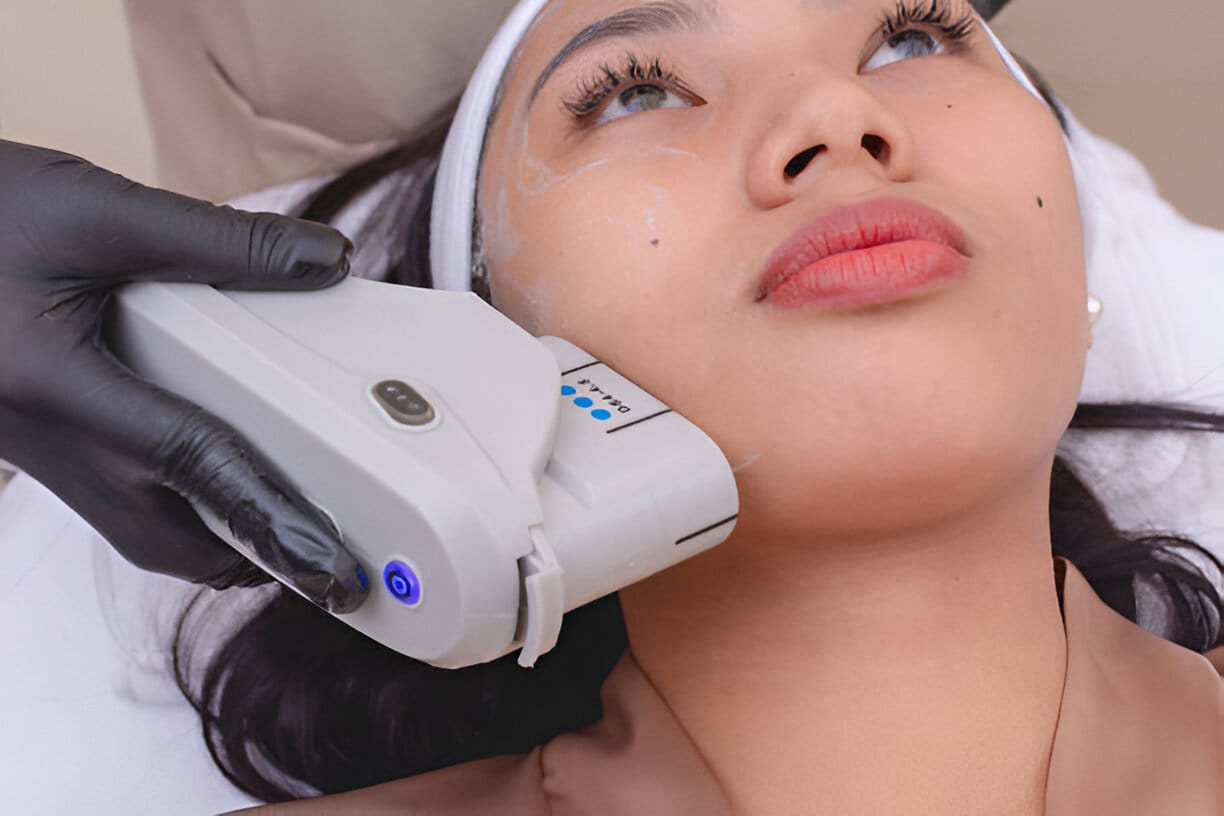
Plasma skin tightening vs HIFU: which fits the concern?
Compare plasma skin tightening and HIFU for laxity, eyelids, jawline, downtime, healing, and realistic treatment fit.
Skin tag removal: what to know before booking
Body sugaring is often seen as an alternative hair removal method, but many clients use it long term. This article explains why.
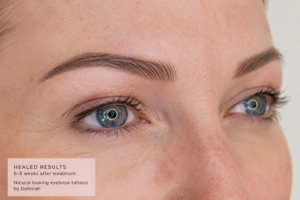
Eyebrow tattoo – styles, what to expect, and how to choose the right look
Body sugaring is often seen as an alternative hair removal method, but many clients use it long term. This article explains why.
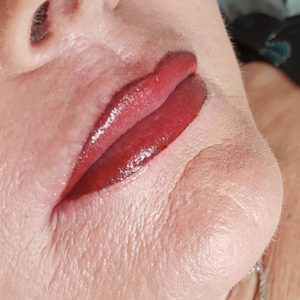
Lip tattoo explained – what to expect, healing, and how long it lasts
Body sugaring is often seen as an alternative hair removal method, but many clients use it long term. This article explains why.
Does Skin Needling Work Better in Winter or Summer?
Many people researching skin needling ask the same question: “When is the best time to get skin needling—winter or summer?” The answer isn’t just about convenience. Seasonal factors such as UV exposure, humidity, and skin turnover can affect both your results and how well your skin heals after treatment. Here’s what practitioners and skin experts recommend.
Why Timing Matters for Skin Needling and Microneedling
Skin needling, also known as microneedling or collagen induction therapy, involves creating controlled micro-injuries in the skin to stimulate collagen production and improve texture. While the procedure itself doesn’t change between winter and summer, your environment plays a huge role in recovery and long-term results.
Skin Needling in Summer
Summer comes with challenges that can complicate recovery after microneedling:
- High UV exposure: Freshly treated skin is more sensitive to the sun, increasing the risk of pigmentation and irritation. In Australia especially, UV levels in summer can make post-treatment care harder to manage.
- Sweat and humidity: Hot, sticky conditions can slow healing and make skin more prone to congestion after skin needling.
- Lifestyle factors: Beach days, outdoor sports, and holidays mean more sun exposure, which isn’t ideal after microneedling.
That said, summer isn’t completely off limits. With diligent sun protection—broad-spectrum sunscreen, hats, and avoiding direct exposure—you can still achieve good results. But patients need to be extra cautious.
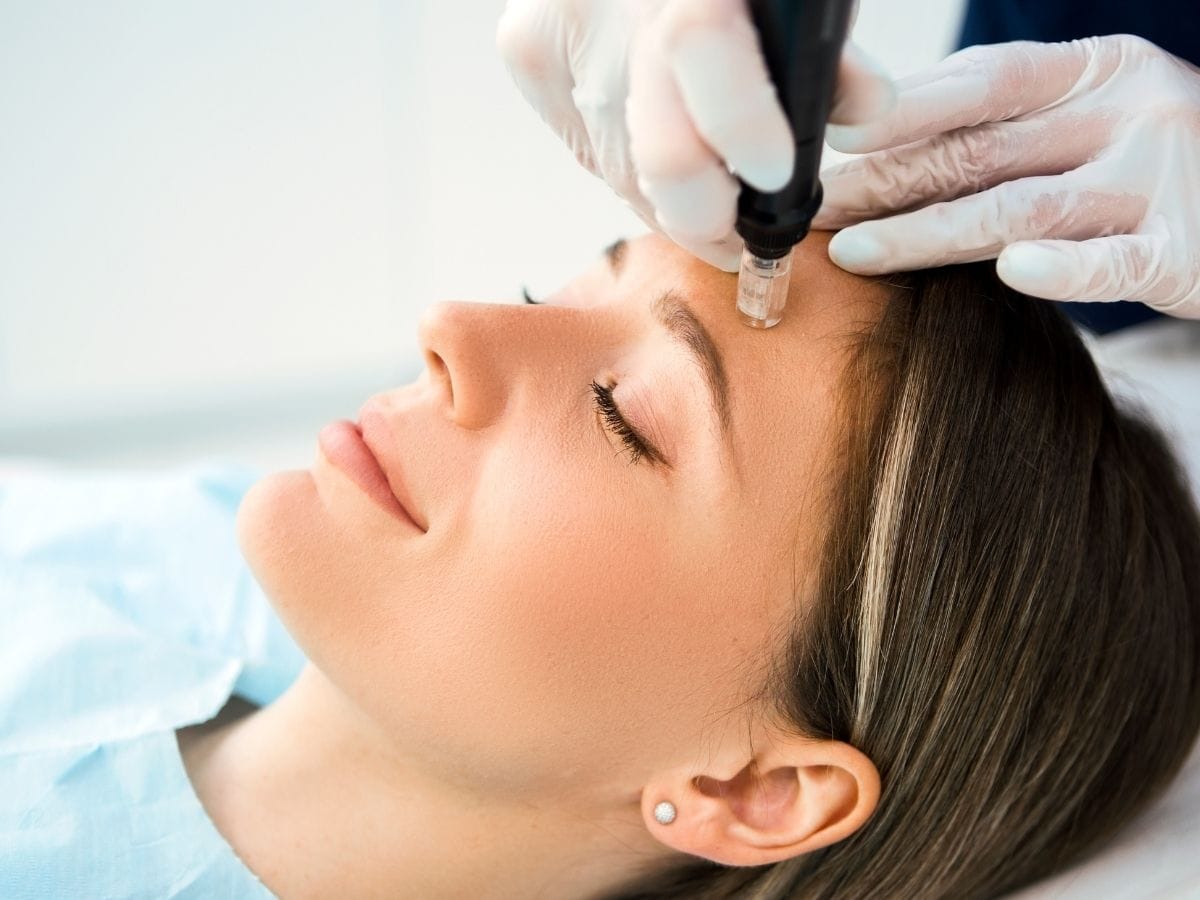
Skin Needling in Winter
Winter is often considered the best season for skin needling. Here’s why:
- Lower UV levels: With less intense sun, the risk of post-inflammatory pigmentation after microneedling is reduced. This makes healing smoother and safer.
- Cooler, drier air: While dryness requires more moisturising, winter conditions generally reduce sweat and bacterial growth on the skin, minimising irritation.
- Skin turnover cycle: Winter is an excellent time to invest in treatments that boost renewal and collagen, as many people notice dullness or dryness during the cooler months.
Because of these factors, many practitioners recommend starting a skin needling series in winter, when recovery is easier and risks are lower.
Expert Perspective: It Depends on the Patient
The choice between winter or summer isn’t always straightforward. Practitioners consider:
- Skin type: Fairer skin types may tolerate summer treatments better than those prone to pigmentation.
- Lifestyle: Someone who works outdoors will find it harder to protect healing skin in summer compared with someone mostly indoors.
- Treatment goals: For deeper collagen induction or targeting pigmentation, winter usually provides a safer healing window.
Ultimately, the best time for skin needling depends on balancing your goals with the seasonal risks.
Practical Takeaway
So, does skin needling work better in winter or summer? For most patients, winter offers safer, more predictable healing conditions, making it the preferred time for microneedling and collagen induction. Summer treatments can still be effective—but only if strict sun protection and aftercare are followed.
The key is to consult with a qualified practitioner who can tailor timing to your skin type, goals, and lifestyle. Whether you choose winter or summer, microneedling remains one of the most effective non-surgical treatments for improving skin tone, reducing scars, and boosting collagen.