

Further Reading
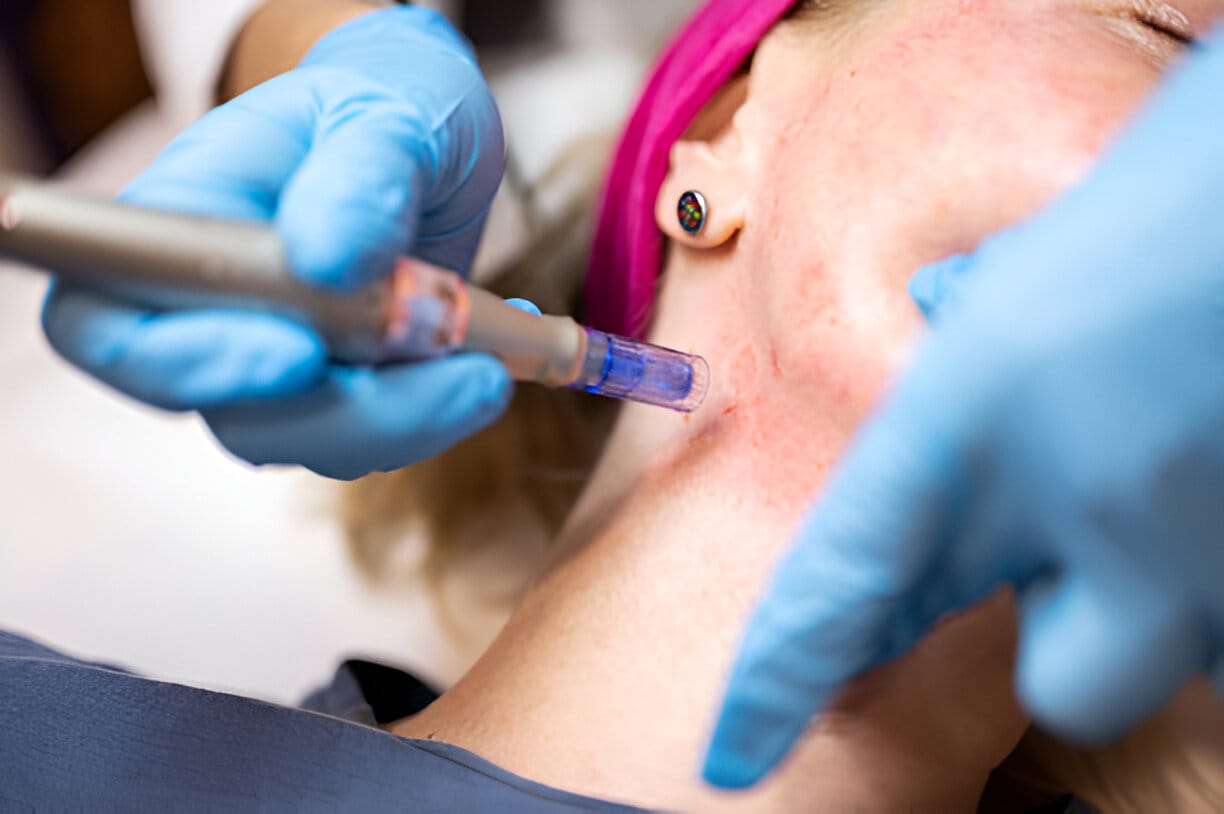
Understanding Collagen Induction Through Skin Needling
Ever looked in the mirror and wished you could turn back the clock? We all have those days!

Body Sugaring vs Waxing: A Natural Alternative
Ever looked in the mirror and wished you could turn back the clock? We all have those days!

Preparing for Your First Body Sugaring Session: What to Expect
Ever looked in the mirror and wished you could turn back the clock? We all have those days!

HIFU vs Traditional Facelifts: Understanding Your Options
Ever looked in the mirror and wished you could turn back the clock? We all have those days!

Your Complete Guide to HIFU Treatment Results and Recovery
Ever looked in the mirror and wished you could turn back the clock? We all have those days!

All About Skinial Tattoo Removal
Skinial tattoo removal has emerged as a superior alternative to laser and other forms of tattoo removal due to its cost-effectiveness, efficiency, and overall effectiveness. With its unique approach and benefits, Skinial offers individuals a safe and reliable method for achieving tattoo-free skin.

Tattoo Removal
Up until few years ago, laser treatment was the only way to get rid of a tattoo or pigmentation. But that’s not the only way anymore. We’re introducing a natural alternative based on lactic acid.
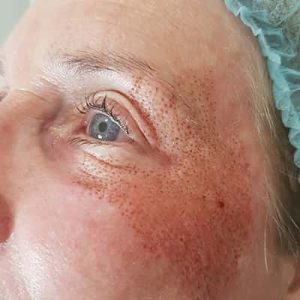
Fibroblasting
Fibroblast treatments are a revolutionary non-surgical lift procedure that drastically reduces wrinkles. Fibroblasting is suitable for Acne Scarring Glabella Lines (between eyebrows) Perioral Lines Crow’s Feet Eyelid Tightening Pigmentation/Age Spots Smokers/ Lip Lines Tattoo Fading Skin Tags Cheek Wrinkles Necklines HOW FIBROBLAST TREATMENTS WORK: Fibroblast creates a plasma flash to stimulate tighter skin fibres, increased…
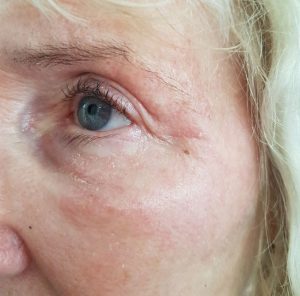
Fibroblasting – Skin Tightening for Wrinkles
This is one week after the treatment has healed, as you can see the great result its taken years off her.
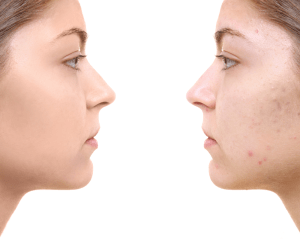
Problem Skin
Adolescents often face significant challenges when it comes to their skin. Hormonal changes can lead to breakouts that can be embarrassing and difficult to address effectively on a daily basis. To tackle this issue, I recommend treating the skin with a Pumpkin Enzyme Facial. This treatment not only combats bacteria but also helps reduce scarring…
Bio-microneedling or skin needling: which one suits your skin right now?

They are not the same treatment. Skin needling uses fine needles to make controlled micro-injuries, deep enough to trigger the skin’s own collagen repair. Bio-microneedling uses spongilla spicules, which are microscopic needle-like structures taken from freshwater sponges, and they work at the surface. Depth is the whole difference. Depth is also what decides which of the two your skin needs right now.
Two names that look almost identical, side by side on one menu, doing different jobs at different depths.
What is bio-microneedling?
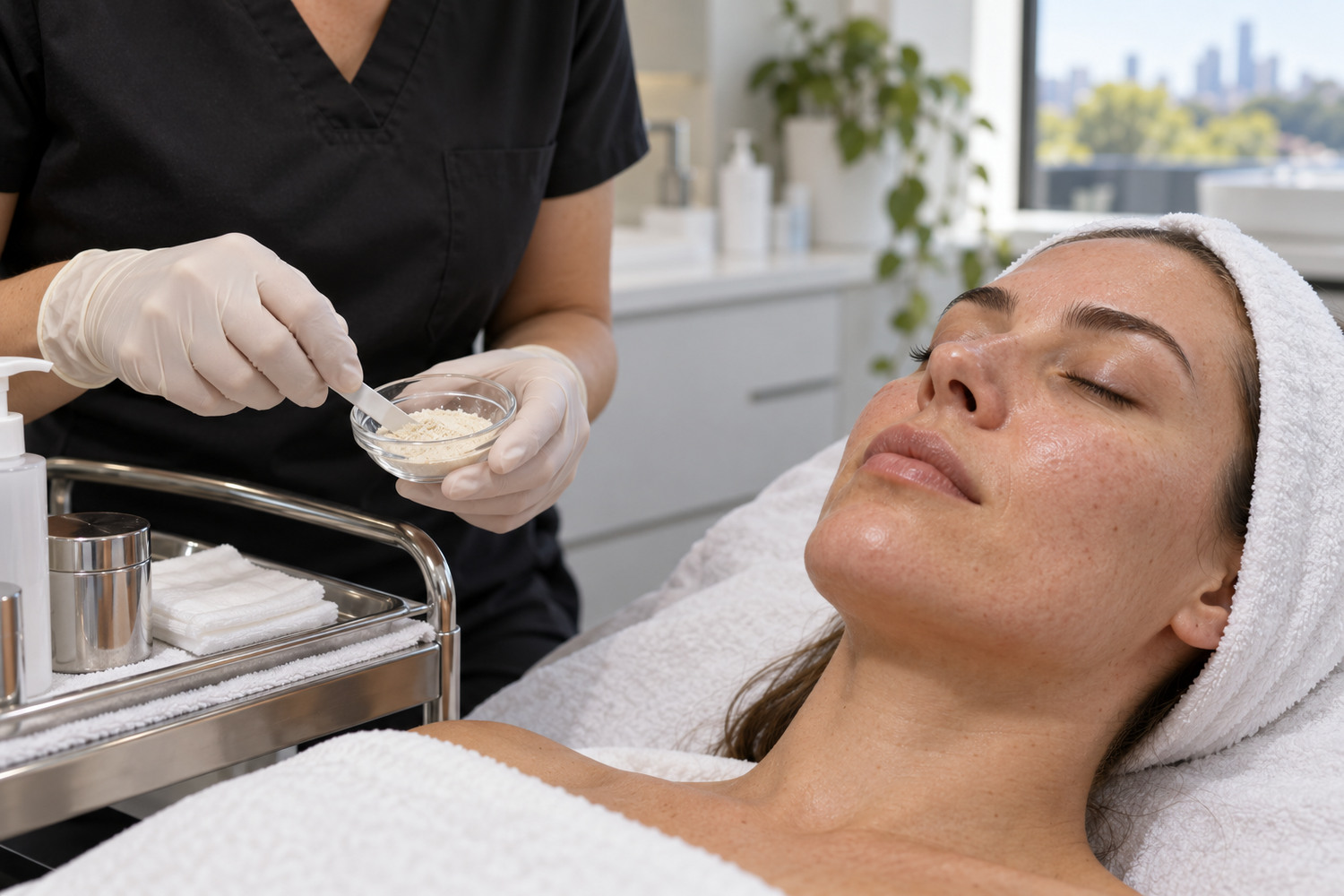
Bio-microneedling is a surface treatment that uses spongilla spicules in place of needles. Spicules are tiny needle-shaped structures from the skeleton of freshwater sponges, made of silica or calcium. Massaged in, they open thousands of microscopic channels in the stratum corneum, the outermost layer of the skin.
That outer layer is both the target and the limit. It has no blood supply of its own, so this is not a bleeding treatment. It speeds up the skin’s shedding so newer skin comes up underneath. What a session covers is listed on the bio-microneedling treatment page.
Needle-free does not mean effort-free. Spicules are physical structures and your skin reacts to them. Prickling is the usual sensation, and fine flaking over the following days is common.
The evidence behind spicules is thin, and worth knowing before you book. Human trials are very few, and most published research is on animal skin. That does not mean the treatment does nothing. It means nobody should promise a result.
How is it different from skin needling?
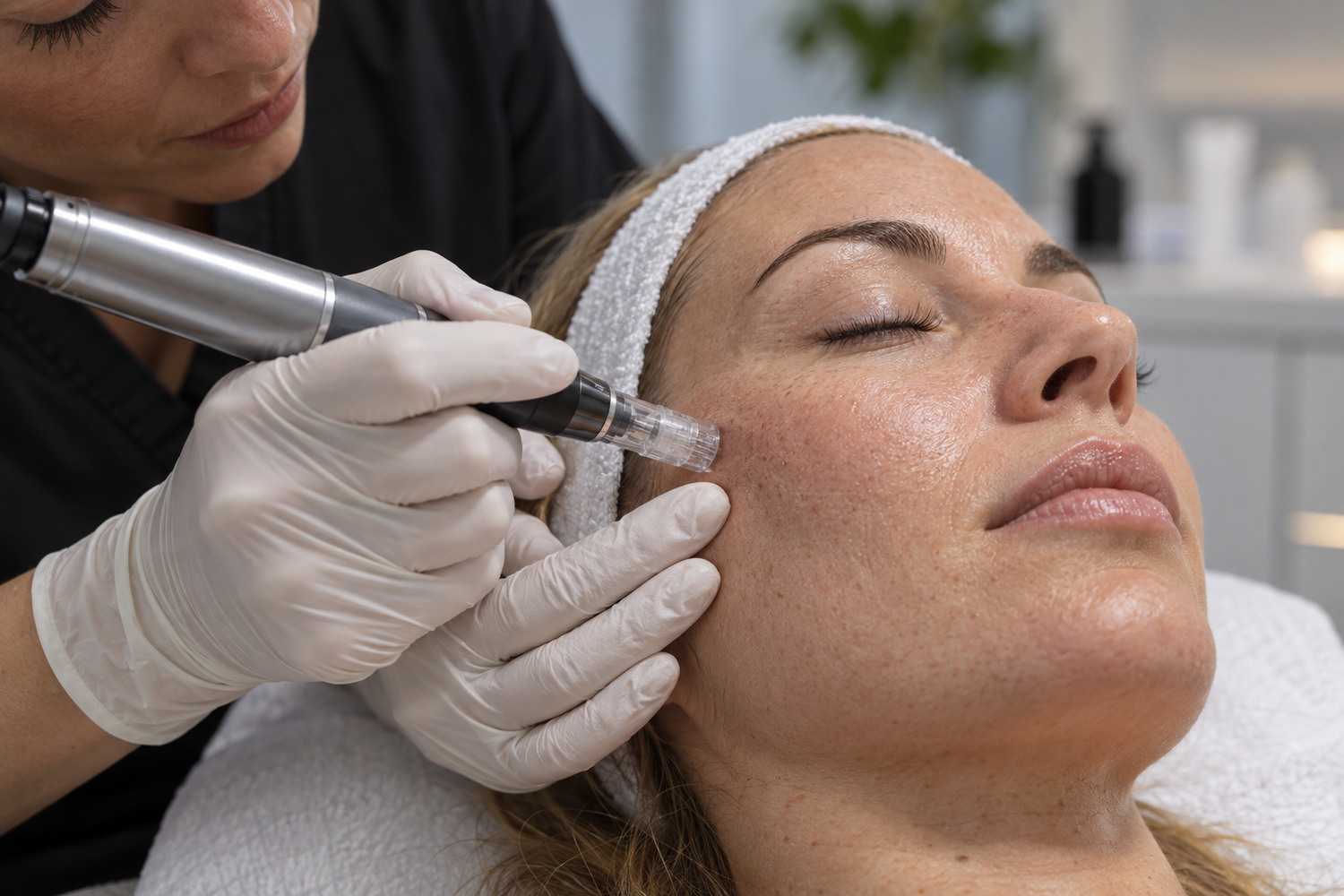
The difference is the depth each one reaches. Everything else follows from that.
Skin needling works in the dermis, the living layer under the surface. A 2024 review in the journal Cureus describes automated pen devices reaching depths of up to 2.5 mm. The micro-injuries start a wound-healing response that releases growth factors and switches on the cells making collagen and elastin.
Bio-microneedling stops at the stratum corneum. Nothing is triggered in the dermis, because nothing reaches it. That is not a fault. It is what makes it right for different complaints.
| What you are comparing | Bio-microneedling | Skin needling |
|---|---|---|
| How it works | Spicules open channels in the outer layer | Fine needles make controlled micro-injuries |
| How deep it goes | The stratum corneum, the outermost layer | Up to 2.5 mm with an automated pen |
| The first few days | Prickling, then fine flaking | Redness for a few hours to a few days |
| What it suits | Dull, flat, uneven surface skin | Scarring, lines, pigmentation, texture, pores |
| Evidence behind it | Very few human trials | Well documented in dermatology reviews |
Which one suits dull, uneven or tired-looking skin?
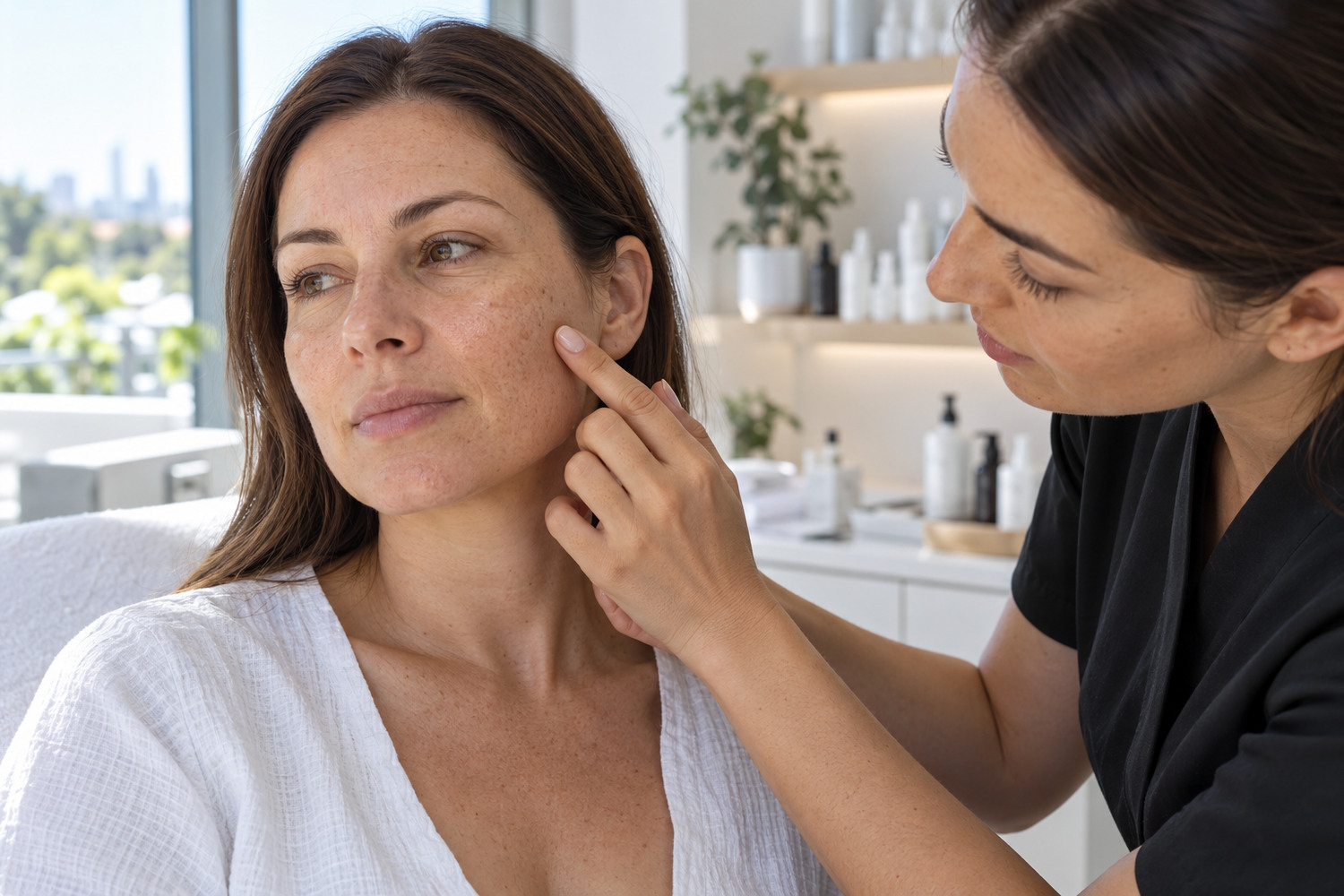
Bio-microneedling is the surface treatment, so surface complaints are where it fits. Dullness is usually a build-up of dead cells that scatter light instead of reflecting it. Skin that looks flat, or feels rough rather than damaged, is the same story. Speeding up the shedding is the fix.
The honest limit sits beside it. Pigmentation and sun damage lie below the surface, so a surface treatment will not reach them. Facial rejuvenation at that depth is skin needling’s job, and the skin needling page lists what it targets.
Which one suits texture, scarring and deeper lines?
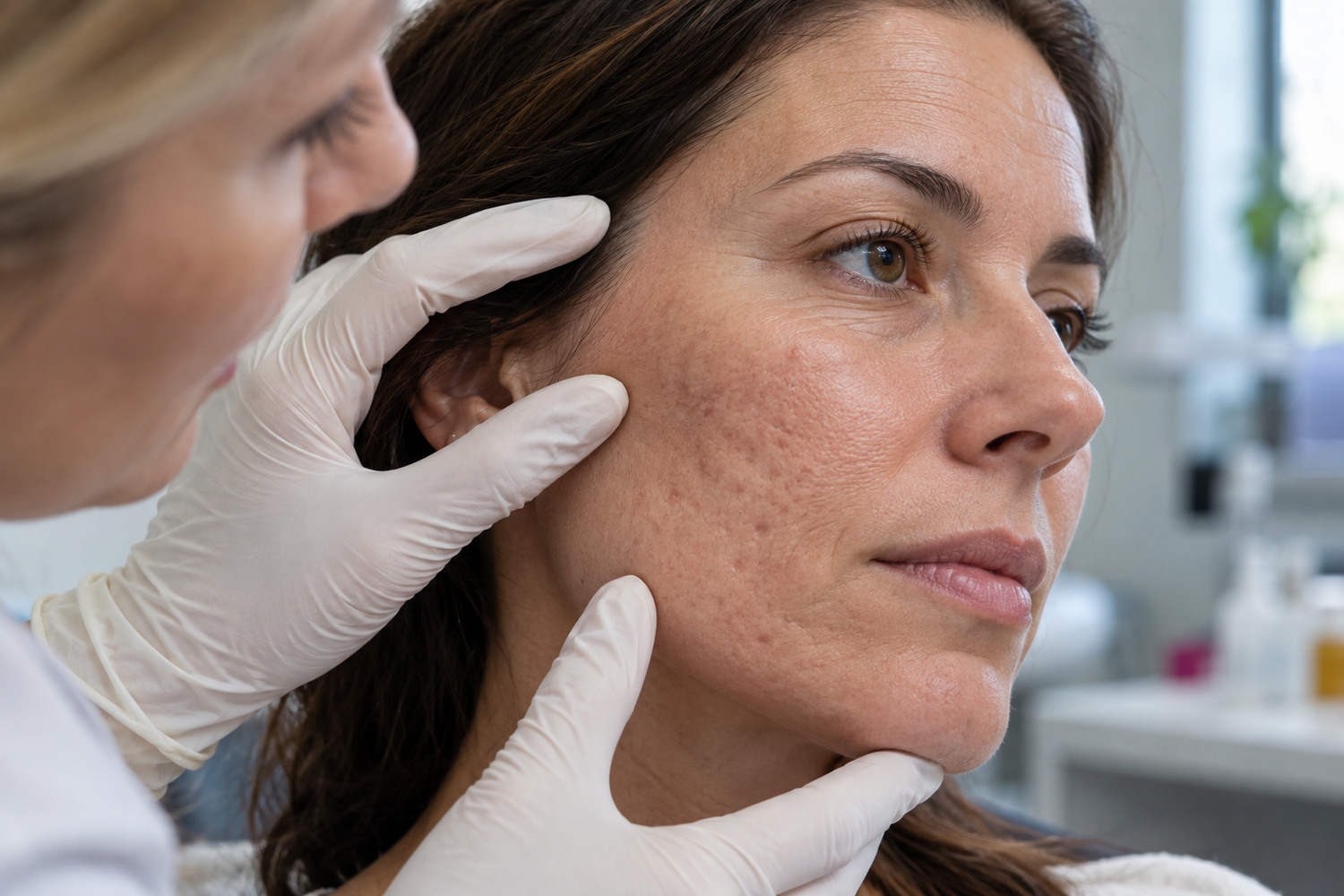
Skin needling is the one for damage that has depth to it. Acne scarring, fine lines, enlarged pores, stretch marks, pigmentation and loose skin are all on its list. The reason is the 2.5 mm, not the needles.
How collagen induction works is set out in its own post. The short version is that the controlled injury is only the trigger. The repair is the treatment.
What about downtime?
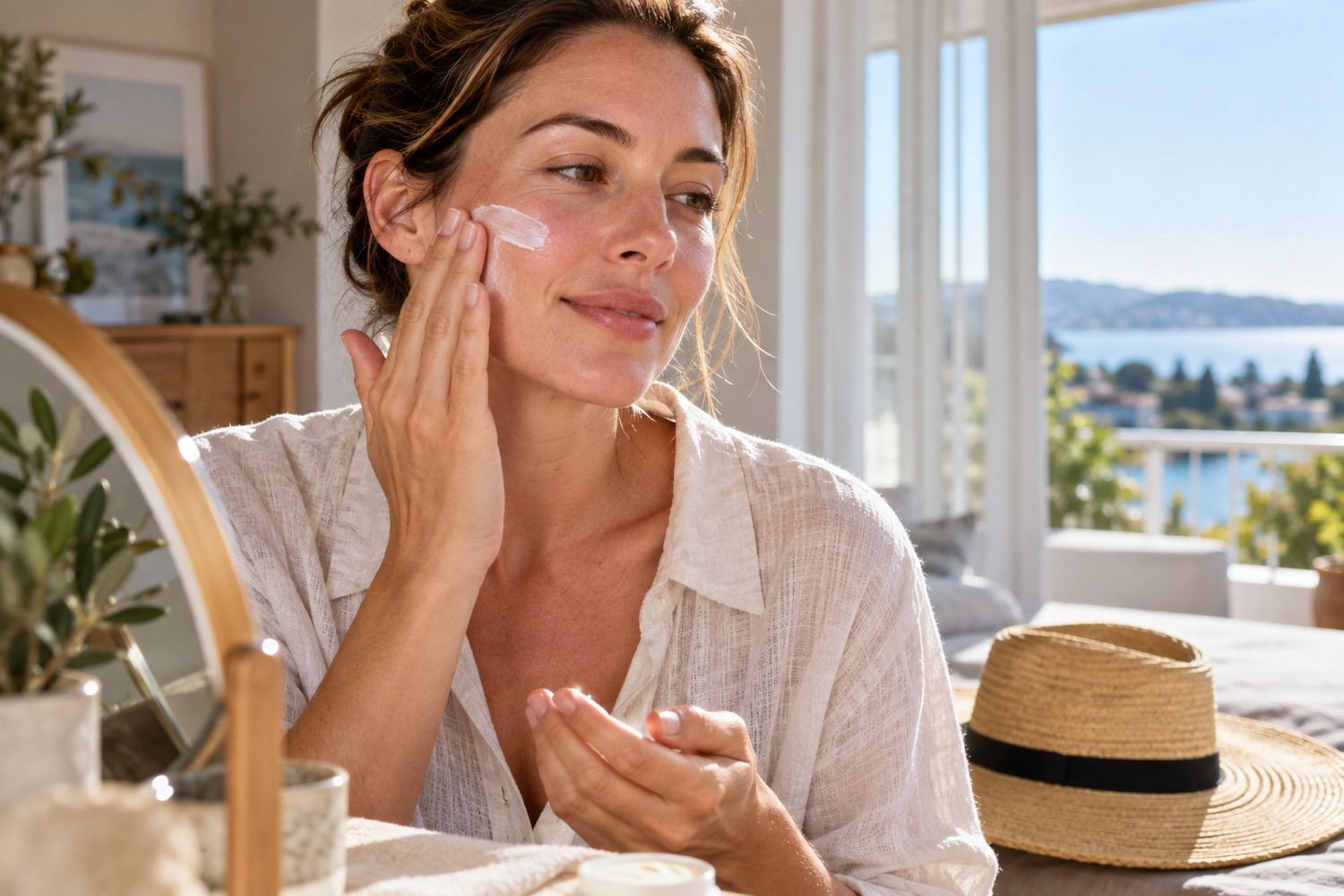
Neither treatment usually costs you a day off work. Both cost you a careful week, which matters more than the word downtime does.
Redness is the usual reaction to skin needling, and it is short. The Cureus review says it appears immediately and lasts from a few hours to a few days. The treatment page says 24 hours, longer if your skin is sensitive.
The week afterwards is what you plan around. The published aftercare asks for sunscreen and a hat outdoors, no retinol, AHAs or exfoliants, and no chlorine or direct sun that first week.
Spicule treatments ask something different. Clinics that publish their aftercare describe a pins-and-needles feeling for two to three days, then fine flaking that starts about 48 hours in and runs two to five days. That is common to these treatments rather than the protocol here, so ask at your appointment what to expect.
Sun protection is the part nobody should skip. Hornsby gets enough winter UV to matter to skin that has just been needled, and a Sydney summer more so. How sun exposure after needling changes with the season is covered in its own post.
Can you have both bio-microneedling and skin needling?
Yes, and they are not in competition. One works on the surface and the other in the dermis, so they answer different complaints rather than the same one twice.
Spacing is the real question. Skin needling sessions are set four to six weeks apart, the room the skin needs to finish repairing. A surface treatment on skin halfway through repair is not a good idea.
Whether needling is enough on its own, and how it sits beside treatments that work at other depths, is answered in a separate post.
What a skin assessment settles
A treatment menu cannot tell you which layer of your skin the problem is in. That is what an assessment answers.
An assessment looks at what your skin is doing now. Whether the dullness is surface build-up or pigmentation. Whether the texture you feel is scarring or congestion. The answer can be one treatment, the other, both, or neither yet.
Bring the complaint rather than the treatment name. Book a skin assessment with For the Love of Beauty and let your skin decide which side of the menu you are on.
Frequently asked questions
Is bio-microneedling the same as microneedling?
No. Microneedling is another name for skin needling, which reaches the living layer of the skin. Bio-microneedling borrows the word but not the depth.
Does bio-microneedling hurt, and does it draw blood?
It is not a needle treatment. People report prickling rather than sharp pain, strongest in the first day or two when you press the skin. It does not draw blood, because the outer layer where spicules work carries no blood vessels.
Will my skin peel after bio-microneedling?
Some flaking is normal. With spicule treatments it usually shows up on the second or third day, then settles. How much you see varies, so raise it beforehand if you have something on that week.
Which one is better for acne scars?
Skin needling, because a scar sits below the surface and only the needles reach it. A surface treatment can brighten the skin around a scar, but not the scar itself.
Can I have bio-microneedling if I have sensitive skin?
Sometimes, but it is not a decision to make from a menu. Spicules are physical structures and sensitive skin reacts to them, so this is the case an assessment exists to settle.