Further Reading

Tattoo Removal
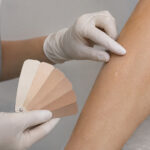
Up until few years ago, laser treatment was the only way to get rid of a tattoo or pigmentation. But that’s not the only way anymore. We’re introducing a natural alternative based on lactic acid.
Fibroblasting
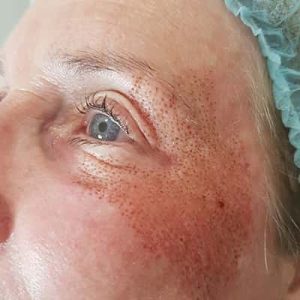
Fibroblast treatments are a revolutionary non-surgical lift procedure that drastically reduces wrinkles. Fibroblasting is suitable for Acne Scarring Glabella Lines (between eyebrows) Perioral Lines Crow’s Feet Eyelid Tightening Pigmentation/Age Spots Smokers/ Lip Lines Tattoo Fading Skin Tags Cheek Wrinkles Necklines HOW FIBROBLAST TREATMENTS WORK: Fibroblast creates a plasma flash to stimulate tighter skin fibres, increased…
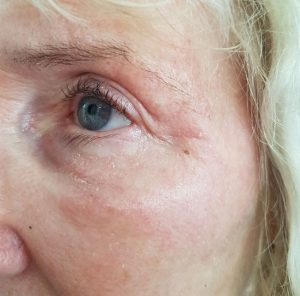
Fibroblasting – Skin Tightening for Wrinkles
This is one week after the treatment has healed, as you can see the great result its taken years off her.
Problem Skin
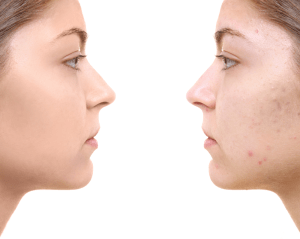
Adolescents often face significant challenges when it comes to their skin. Hormonal changes can lead to breakouts that can be embarrassing and difficult to address effectively on a daily basis. To tackle this issue, I recommend treating the skin with a Pumpkin Enzyme Facial. This treatment not only combats bacteria but also helps reduce scarring…

Age Spots
Pigmentation spots can appear everywhere, they seem to be much more predominate as we age,they can appear on the Face, Hands Arms ,and Legs. There are two ways for removal and it depends on the skin as to how I would treat them. IPL is one way Intense Pulsed Light which is costed by the…
Can a scar camouflage tattoo change colour or texture?
A scar camouflage tattoo can change how a scar’s colour looks against the skin around it, so the scar is less noticeable. It cannot change the scar’s texture. Pigment does not flatten a raised scar, fill a dip or loosen tight skin.
Maybe it is a pale line on your knee that shows up more once your legs tan in summer. That is a colour problem, and colour is the part a camouflage tattoo is designed to work on.
Is the problem colour, texture or comfort?
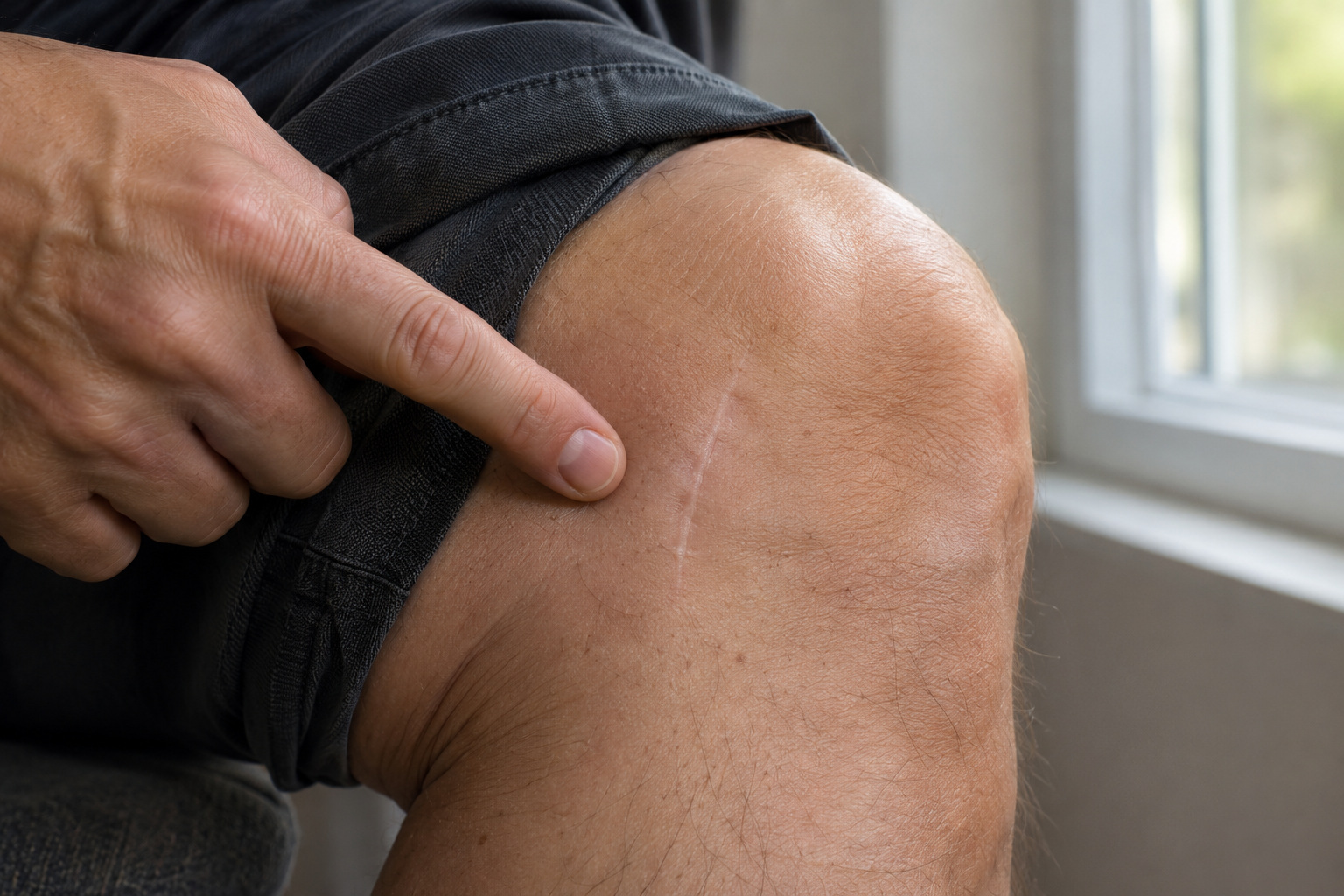
Start by working out what bothers you about the scar. Each kind of concern has a different answer.
Many scars involve more than one of these. An assessment starts from the one that matters most to you.
| Concern | What it looks or feels like | Where a camouflage tattoo fits |
|---|---|---|
| Colour | The scar looks paler, pinker or darker than the skin around it | This is the change camouflage is designed for, if an assessment finds the area suits it |
| Texture | The scar is raised, sunken or uneven to touch | Pigment does not change how the scar feels |
| Comfort or change | The scar is tight, itchy, sore, growing or still changing | See a doctor before any cosmetic treatment |
How scar camouflage works on colour
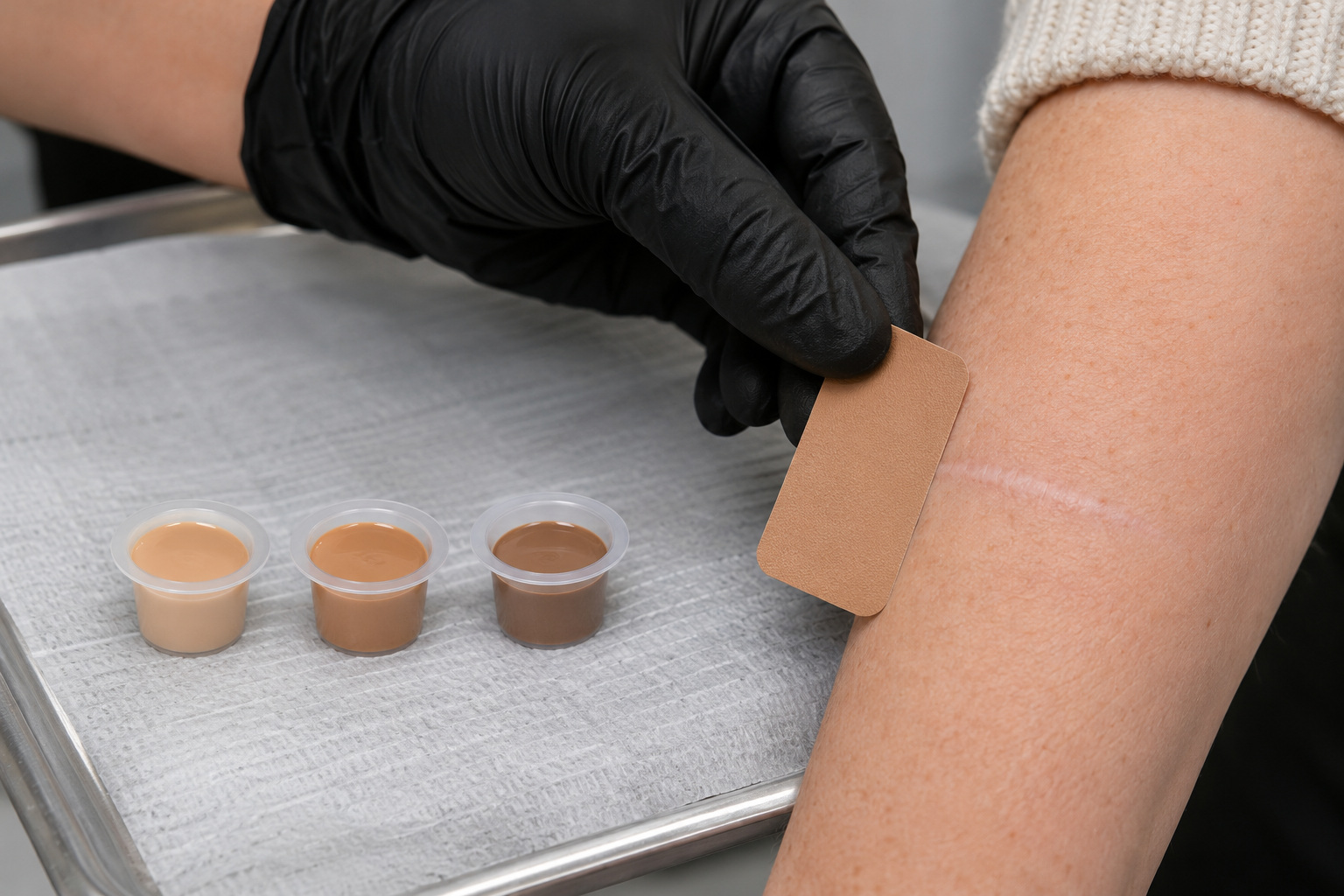
Scar camouflage is a cosmetic tattoo done on a scar. The clinic describes its purpose as reducing the colour difference between the scar and the natural skin, so the scar is not as noticeable. It is offered for scars anywhere on the body.
The method is the same as other cosmetic tattooing. Pigment is placed into the skin with a needle.
The tattoo changes colour, not shape. A raised or sunken scar can look less obvious from a distance and still feel the same under your fingers. Light falling across it can still show its outline, because the surface has not changed.
What an assessment looks at
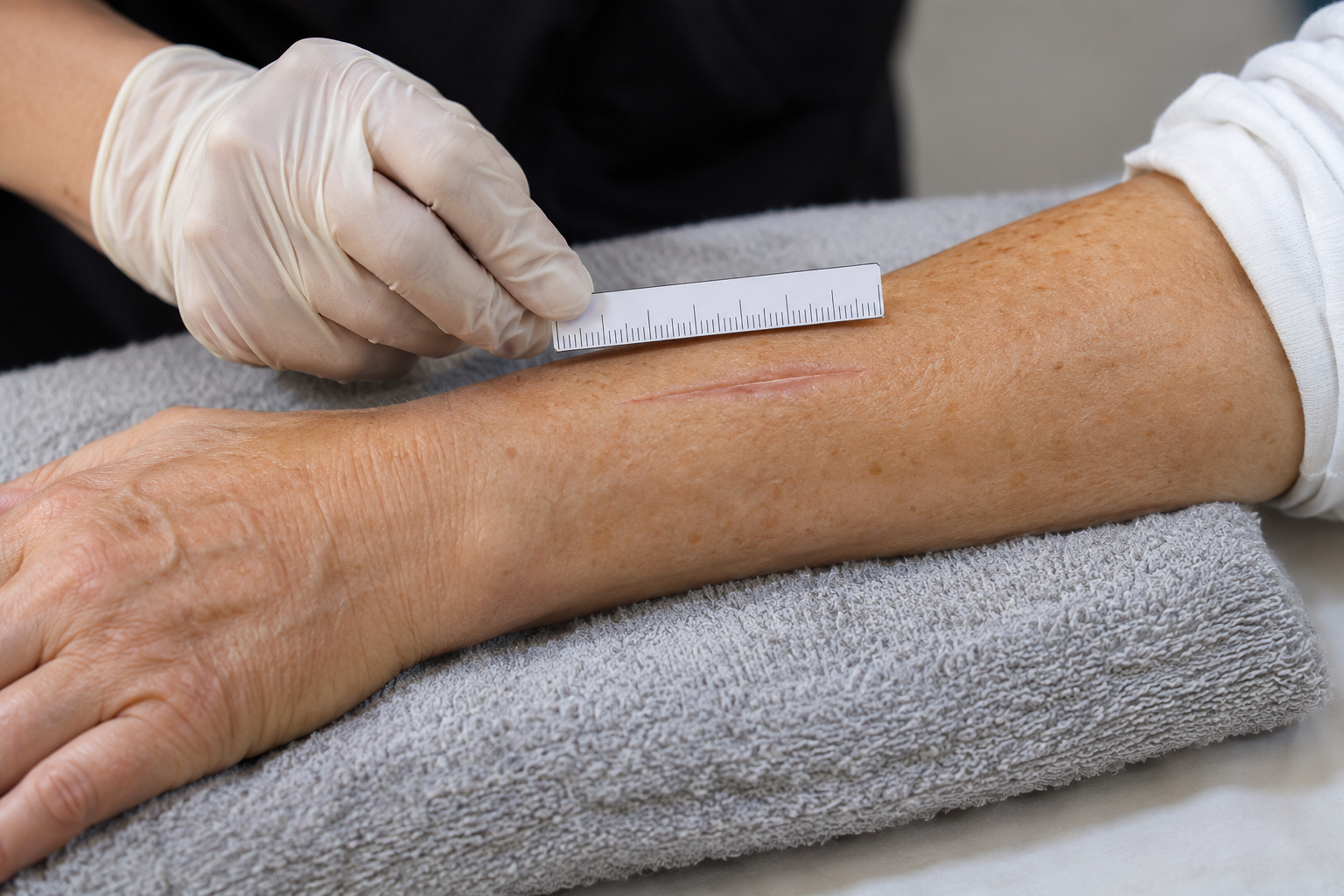
An assessment is where the practitioner looks at your particular scar and the skin around it. These are the points it needs to settle:
Together, these decide whether the area suits camouflage at all. They also shape what a plan would involve, so it helps to think about each one before you ring.
- Where the scar is and how big it is.
- The colour of the scar against the skin around it, including how that skin changes when it tans or pales.
- How the scar is now: settled or still changing, comfortable or not.
- Anything done to it before, such as surgery, earlier tattooing or another treatment.
- The result you want, described in your own words.
Limits to talk through first
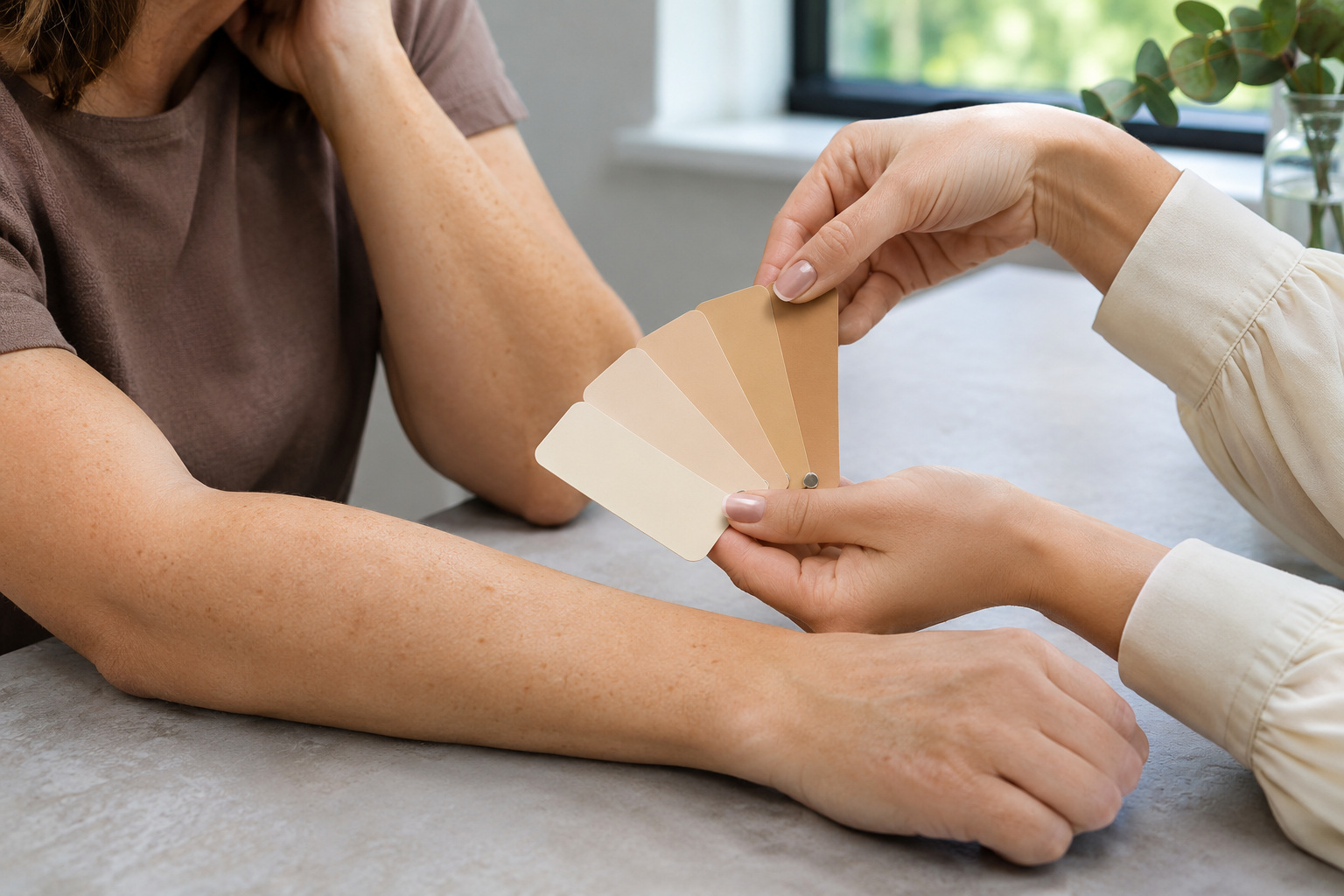
Camouflage has limits, and it is better to hear about them before you decide. No result is the same on every skin. Treat these as questions to raise at the assessment:
Pigment also fades over time, and a colour match can shift as it does. The post on why cosmetic tattoos fade explains the skin and lifestyle factors behind that.
- How close the colour match can get on your skin.
- How the match is likely to look when the skin around the scar tans in summer or pales in winter.
- The risks of tattooing your particular scar.
- Whether more than one visit is likely.
- What maintenance might involve later.
If you have had raised or thickened scars before, say so at the start. Then ask how that history affects the risks for you.
A new, changing or painful scar needs a doctor first
See a GP or dermatologist before any cosmetic tattooing if a scar is recent and still healing. The same goes for a scar that is getting bigger, changing colour, bleeding, itchy, painful or tight.
After surgery, ask your treating doctor or surgeon whether tattooing over the scar is suitable, and when. This article gives general information only. It cannot assess your own scar.
Asking for an assessment in Hornsby
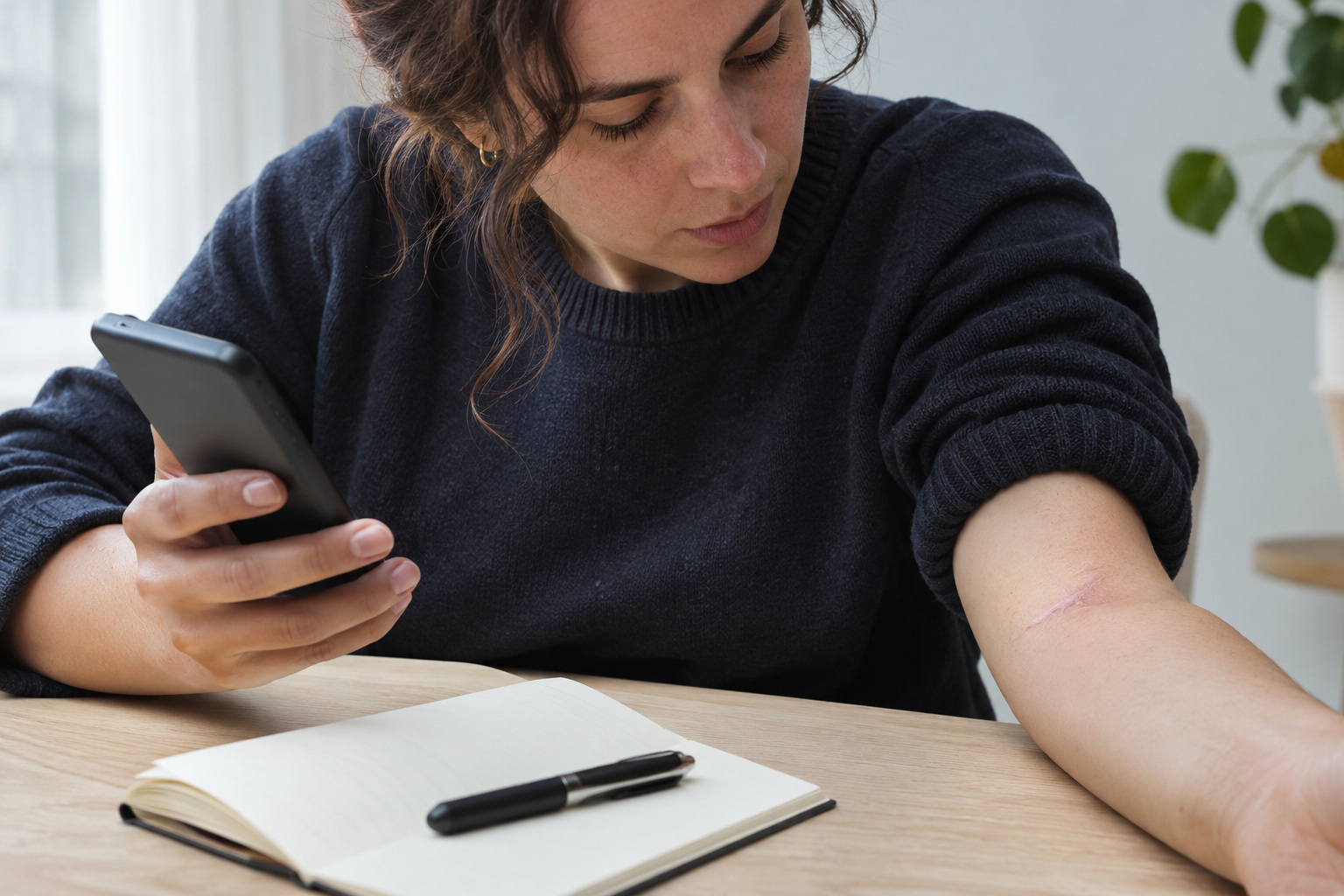
For the Love of Beauty prices scar camouflage on enquiry. The first step is a phone call or a message. Ring 02 9476 6090 or 0412 476 262. The clinic is open Wednesday to Friday from 8:30am to 4pm and Saturday from 8:30am to 1pm. It is closed Sunday to Tuesday.
Say where the scar is and what bothers you about it. Then ask three things: whether that area can be assessed, what a plan would cover and what it would cost.
If you would rather write, you can send an enquiry with your name, email and phone number. The booking page uses the same form. It shows no live calendar, so a time is arranged after you hear back. Scar camouflage is listed with the clinic’s other options on the cosmetic tattoo service page.
Before you ring, look at the scar in daylight. Note whether it looks paler, pinker or darker than the skin around it. That one detail helps the practitioner see whether yours is mainly a colour question.