Further Reading
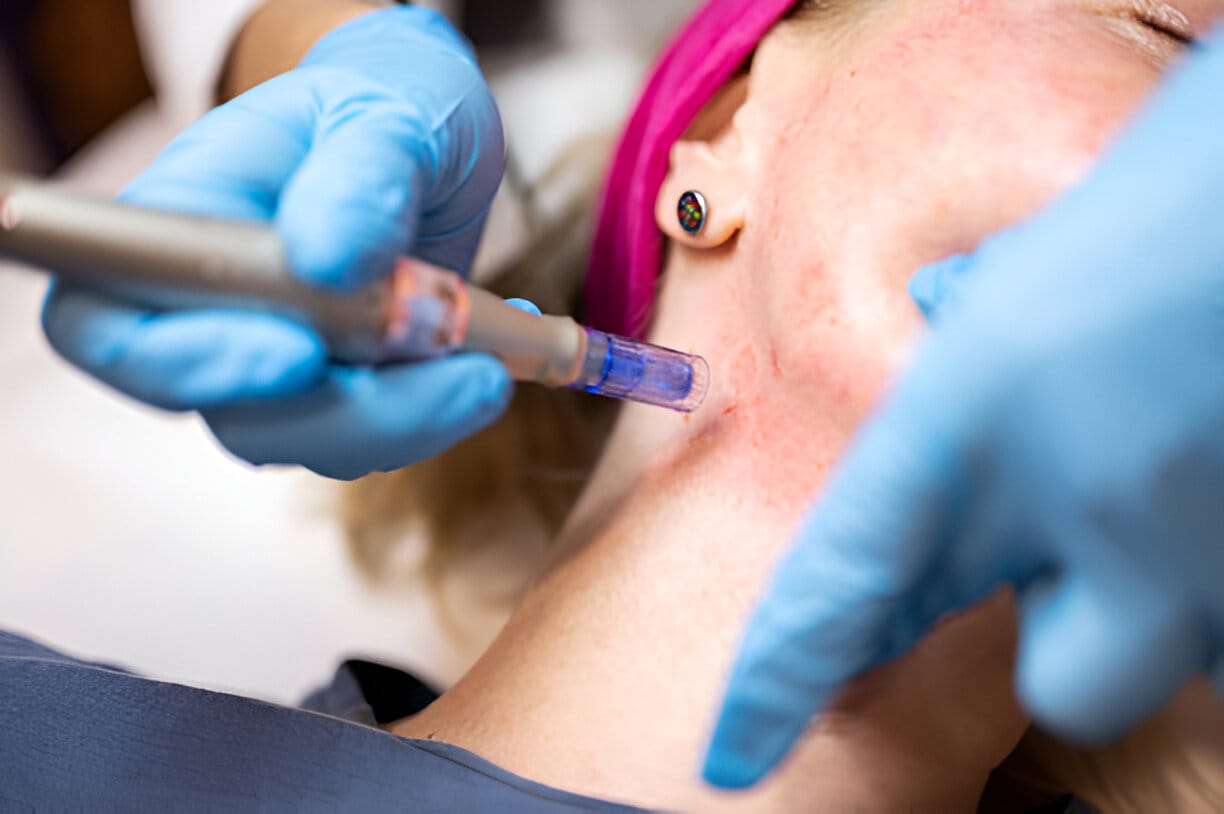
Understanding Collagen Induction Through Skin Needling
Ever looked in the mirror and wished you could turn back the clock? We all have those days!

Body Sugaring vs Waxing: A Natural Alternative
Ever looked in the mirror and wished you could turn back the clock? We all have those days!

Preparing for Your First Body Sugaring Session: What to Expect
Ever looked in the mirror and wished you could turn back the clock? We all have those days!

HIFU vs Traditional Facelifts: Understanding Your Options
Ever looked in the mirror and wished you could turn back the clock? We all have those days!

Your Complete Guide to HIFU Treatment Results and Recovery
Ever looked in the mirror and wished you could turn back the clock? We all have those days!
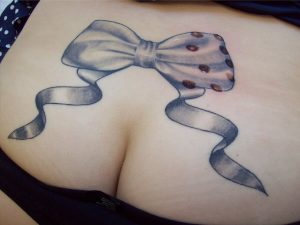
All About Skinial Tattoo Removal
Skinial tattoo removal has emerged as a superior alternative to laser and other forms of tattoo removal due to its cost-effectiveness, efficiency, and overall effectiveness. With its unique approach and benefits, Skinial offers individuals a safe and reliable method for achieving tattoo-free skin.
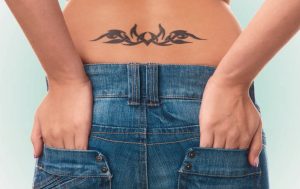
Tattoo Removal
Up until few years ago, laser treatment was the only way to get rid of a tattoo or pigmentation. But that’s not the only way anymore. We’re introducing a natural alternative based on lactic acid.
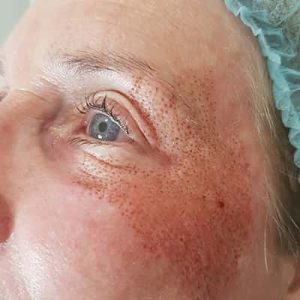
Fibroblasting
Fibroblast treatments are a revolutionary non-surgical lift procedure that drastically reduces wrinkles. Fibroblasting is suitable for Acne Scarring Glabella Lines (between eyebrows) Perioral Lines Crow’s Feet Eyelid Tightening Pigmentation/Age Spots Smokers/ Lip Lines Tattoo Fading Skin Tags Cheek Wrinkles Necklines HOW FIBROBLAST TREATMENTS WORK: Fibroblast creates a plasma flash to stimulate tighter skin fibres, increased…
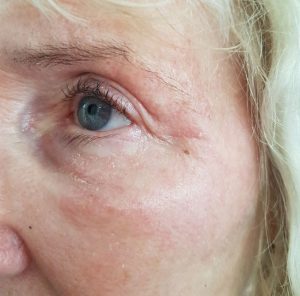
Fibroblasting – Skin Tightening for Wrinkles
This is one week after the treatment has healed, as you can see the great result its taken years off her.
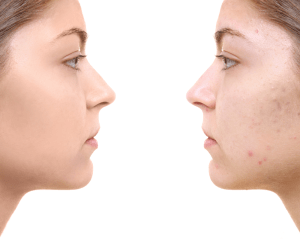
Problem Skin
Adolescents often face significant challenges when it comes to their skin. Hormonal changes can lead to breakouts that can be embarrassing and difficult to address effectively on a daily basis. To tackle this issue, I recommend treating the skin with a Pumpkin Enzyme Facial. This treatment not only combats bacteria but also helps reduce scarring…
Eyebrow tattoo – styles, what to expect, and how to choose the right look
You’ve been pencilling your brows in every morning for years. Or you over-plucked in the 90s and they never quite came back. Or age, illness, or alopecia has thinned them out. Whatever brought you here, you’re now staring at a list of names: microblading, powder brows, ombre, combination, nano. Each studio describes them slightly differently, the photos all look amazing, and you’re not sure which one is right for you. Or whether any of them is.
This article is the honest walkthrough. What eyebrow tattoo means in 2026, the main styles and who each one suits, what happens at a consultation, what the appointment itself feels like, how the brows change over six weeks of healing, and how to think about choosing a style before you sit in any chair.
What eyebrow tattoo means today
The term gets used loosely, which is part of why the research feels overwhelming. The dense, solid-block tattoo many of us remember from the 80s and 90s sat deep in the skin and didn’t fade in a flattering way. Modern cosmetic tattoo is a different procedure. Pigment is placed in the upper layers of the skin only, and it’s designed to soften and fade over one to three years. That’s a feature, not a flaw. As your face changes, the look can be refreshed and adjusted rather than locked in for life.
This is why most reputable practitioners now call it “semi-permanent” rather than permanent. The word matters because it sets the right expectation: you’re not committing to a single look forever. You’re choosing a look for the next year or two, with the option to adjust from there.
The main styles of eyebrow tattoo (and who each one suits)
There are four main approaches you’ll come across. Each creates a different finish, and each one suits different skin and lifestyles. The names overlap and shift between studios, but the techniques themselves are well-defined.
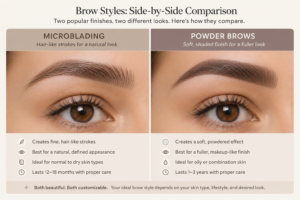
Microblading uses a small hand-held tool to draw fine, hair-like strokes into the skin. The result is the most natural-looking option, mimicking individual brow hairs. It works beautifully on dry to normal skin. It tends not to work as well on oily skin, where the open strokes blur as they heal and the crisp hair-stroke effect softens into something patchier than intended. If your skin gets shiny by lunchtime, microblading probably isn’t the right choice.
Powder brows (sometimes called ombre brows) are applied with a digital machine that lays down a soft, pixelated layer of colour. The finish looks like a softly filled-in pencil or powder, lighter at the front and deeper through the body of the brow. It’s the more makeup-like of the styles, and it suits oily skin, mature skin, and anyone who likes the look of a defined brow. It’s also a forgiving choice if your existing brow hair is sparse.
Combination brows use hair-strokes at the front of the brow for natural texture, then shift to powder shading through the body. For many clients, this is the most flexible option. You get the realism of strokes where the brow starts and the density of shading where the brow needs more shape. It tends to read well in photos and in person.
Nano brows also create hair-strokes, but they’re applied with a digital machine using a single fine needle rather than a hand tool. The finish is similar to microblading, but the healing tends to be more predictable across a wider range of skin types. If microblading isn’t suitable for your skin but you still want the hair-stroke look, nano brows are usually the answer.
What happens at the consultation
The consultation is where the look gets designed. A skilled practitioner will not pick up a needle on the same day you walk in and ask for a treatment. Three things happen first.
Brow mapping. The shape is measured from features of your face – the centre of your nose, the corner of your eye, the position of your brow bone – not just drawn on top of where your existing brows sit. This is the step that prevents the “two different brows” problem so many people end up with.
Shape design with a pencil. Before any pigment touches the skin, the practitioner draws the proposed shape on with a brow pencil. You look at it. You give feedback. You change it. Only when you’re genuinely happy with what you see does the procedure begin.
Pigment selection. Colour is matched to your skin’s undertone, your skin tone, and your natural hair colour. The wrong pigment is one of the main reasons older cosmetic tattoos have gone grey, blue, or red over time. Modern pigments are designed to fade evenly, but only if the right one was chosen for your colouring in the first place.
A practitioner with 30+ years of experience, like Deborah at For the Love of Beauty, will sometimes redirect a client away from the style they came in asking for, if it isn’t the right fit for their skin or features. That conversation is often the most valuable part of the consultation. Don’t be alarmed by it.
What the procedure itself involves
Topical numbing cream is applied around 30 to 45 minutes before the work starts. A second round of numbing is usually applied during the procedure, as the skin opens slightly and absorbs anaesthetic more readily.
The whole appointment, including the mapping, design, and treatment, takes around two to two and a half hours. The treatment portion itself is shorter, but the design phase is the part you don’t want rushed.
Most clients describe the sensation as discomfort rather than pain. It’s been compared to threading, to mild scratching, and to a tingling pressure. Everyone’s pain tolerance is different, but it’s generally well-tolerated, especially with proper numbing.
One thing to know going in: your brows will look much darker and sharper on the day of the appointment than they will once healed. This is not a mistake. Pigment looks bold on freshly worked skin and softens significantly as it heals. The practitioner accounts for this when choosing the colour. Wait it out before you panic.
The healing timeline – what your brows will look like week by week
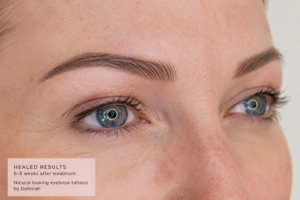
The healing journey runs over roughly six to eight weeks. Knowing what to expect at each stage is the difference between confidence and worry.
| Stage | What you’ll see |
|---|---|
| Days 1–3 | Brows look dark, bold, and sometimes slightly red around the edges. This is normal. Avoid sweating, water on the area, and makeup. |
| Days 4–7 | Light scabbing or flaking begins. The brows will look patchy and uneven. Do not pick or scratch. Let scabs come off on their own. |
| Weeks 2–3 | The “ghosting” phase. Colour can look as if it has disappeared. It hasn’t. The pigment is sitting beneath fresh skin that’s rebuilding to the final tone. |
| Weeks 4–6 | True colour and shape emerge. Patchy areas settle. This is the window when the perfected touch-up is scheduled. |
The touch-up appointment, usually somewhere between four and eight weeks after the first session, is part of the process. It is not a sign that something went wrong. The first session lays down the base. The touch-up fine-tunes the shape, fills any areas where the pigment didn’t take evenly, and locks in the final result. Skipping it means leaving the work half-finished.
Because Deborah works as a solo practitioner, the person who designed your brows is the same person who sees how they’ve healed and finishes them at the touch-up. That continuity matters more than it sounds.
How to choose the right style for you
The shortest version: the right style is the one your practitioner recommends after seeing your skin and brows in person. The longer version comes down to four practical factors.
Skin type is the single biggest one. Oily skin almost always does better with powder or combination brows than with microblading. Natural oils break down the crisp strokes of a microbladed brow over time. Powder shading holds up far better in that environment.
Existing brow hair. If you have very little brow hair left, hair-stroke-only styles can look thin or unnatural – there’s not enough background to anchor the strokes. Some shading helps fill the gaps. If you have plenty of brow hair and just want shape and definition, hair-strokes can sit beautifully within them.
Lifestyle and maintenance. Ask yourself how much pencil, powder, or pomade you use now. The right tattoo style should reduce that, not replicate the same effort in a more expensive form. If you currently use nothing and want a barely-there enhancement, microblading or nano brows are usually closer to the mark. If you fill in your brows daily with a pencil, powder brows will feel familiar.
The look you want. Soft and natural, or defined and made-up. Neither is right or wrong, but they lead to different styles.
Take the answers into the consultation and let the practitioner stress-test them against what your skin and existing brows can support. That’s where the decision gets made.
How long does an eyebrow tattoo last?
Plan for one to three years before the colour starts to fade enough that a refresh appointment makes sense. The range depends on factors that vary from person to person:
- Skin type, since oily skin tends to fade faster
- Sun exposure, which breaks down pigment over time
- Skincare ingredients – retinol, AHAs, and BHAs all speed up fading, especially when applied close to the brow line
- Age, since older skin tends to hold pigment slightly differently
This is why the word “permanent” is misleading and most reputable practitioners avoid it. A cosmetic tattoo of this type is semi-permanent by design. The fade is part of why it ages well: it lets the look evolve as your face does, and gives you the option to adjust the shape, density, or colour at your next refresh rather than wearing the same look indefinitely.
The next step
The article you’ve just read is preparation. It gives you the vocabulary, the questions, and a realistic picture of what the next two months will look like. It cannot tell you which style is right for your face. Only a consultation can do that, and only with someone who’s looking at your skin and brows in person.
At the Hornsby studio, Deborah Crofts handles every consultation herself. The same hands that design your brows do the procedure, the touch-up, and any refresh appointments down the track. If you’re weighing this up, book a consultation rather than a procedure. The decision gets made in the chair, not online.