
Further Reading
Is Skin Needling Enough on Its Own, or Does It Need Support Treatments?
Skin needling supports collagen and skin quality, but results depend on concern depth. Understanding when support treatments are used helps set expectations.
Why Some Hair Removal Methods Stop Working Over Time
Hair removal treatments can deliver strong early results, then slow over time. Understanding hair growth cycles explains why maintenance and combined methods are often needed.
Why Some HIFU Treatments Work Better Than Others
HIFU tightening results differ from person to person. Factors like collagen levels, skin thickness, device quality and treatment technique all influence how well HIFU works.
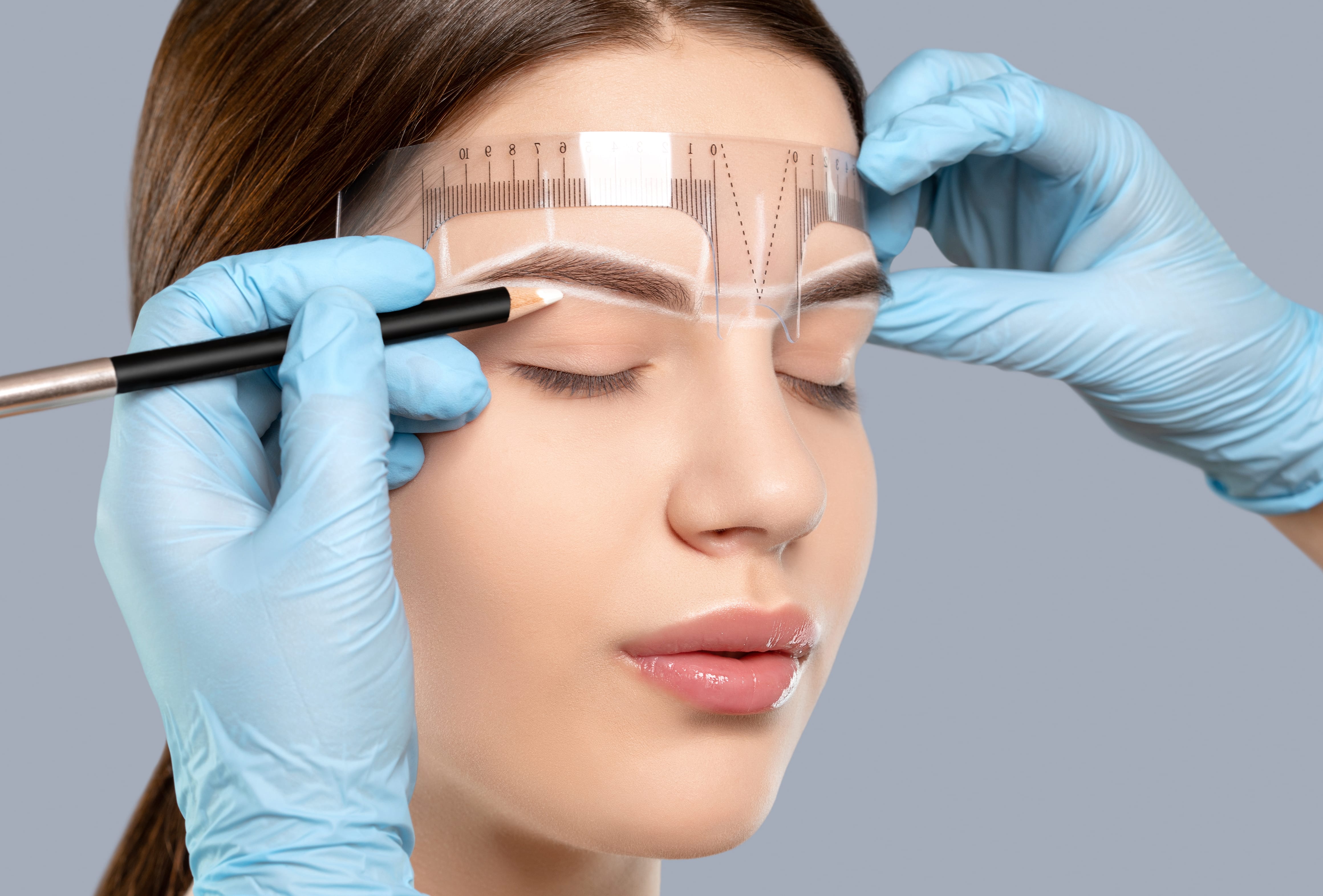
Why Cosmetic Tattoos Fade Faster for Some People Than Others
Cosmetic tattoos fade at different speeds depending on skin type, lifestyle, pigment placement and aftercare. This article explains why results vary and how to make them last.
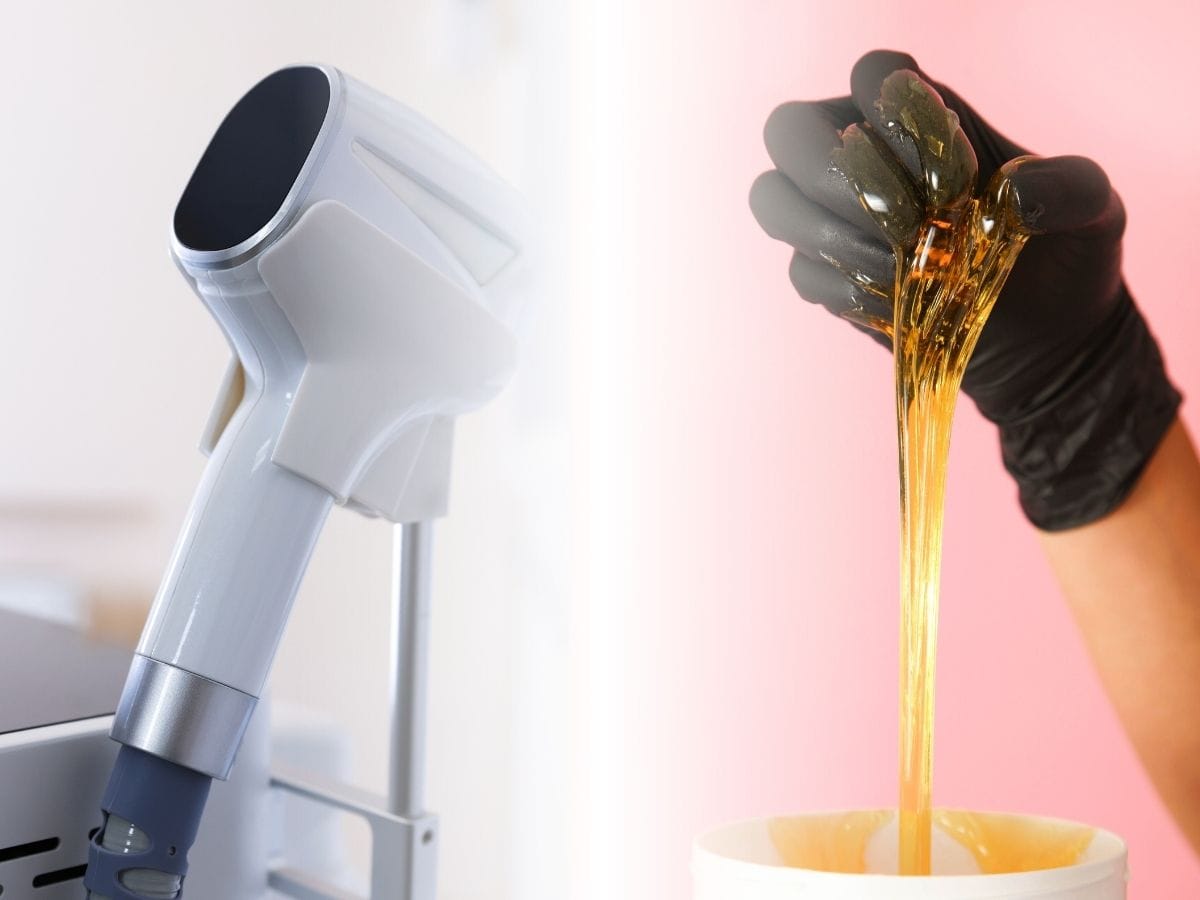
Choosing the Right Hair Removal Method for Fine or Light Hair
For people with fine or light hair, finding the right hair removal method can be tricky. Many clients wonder why laser or IPL treatments don’t deliver the same results they see in darker hair types, and whether alternatives like sugaring or waxing might be better suited. This article breaks down the pros and cons of…
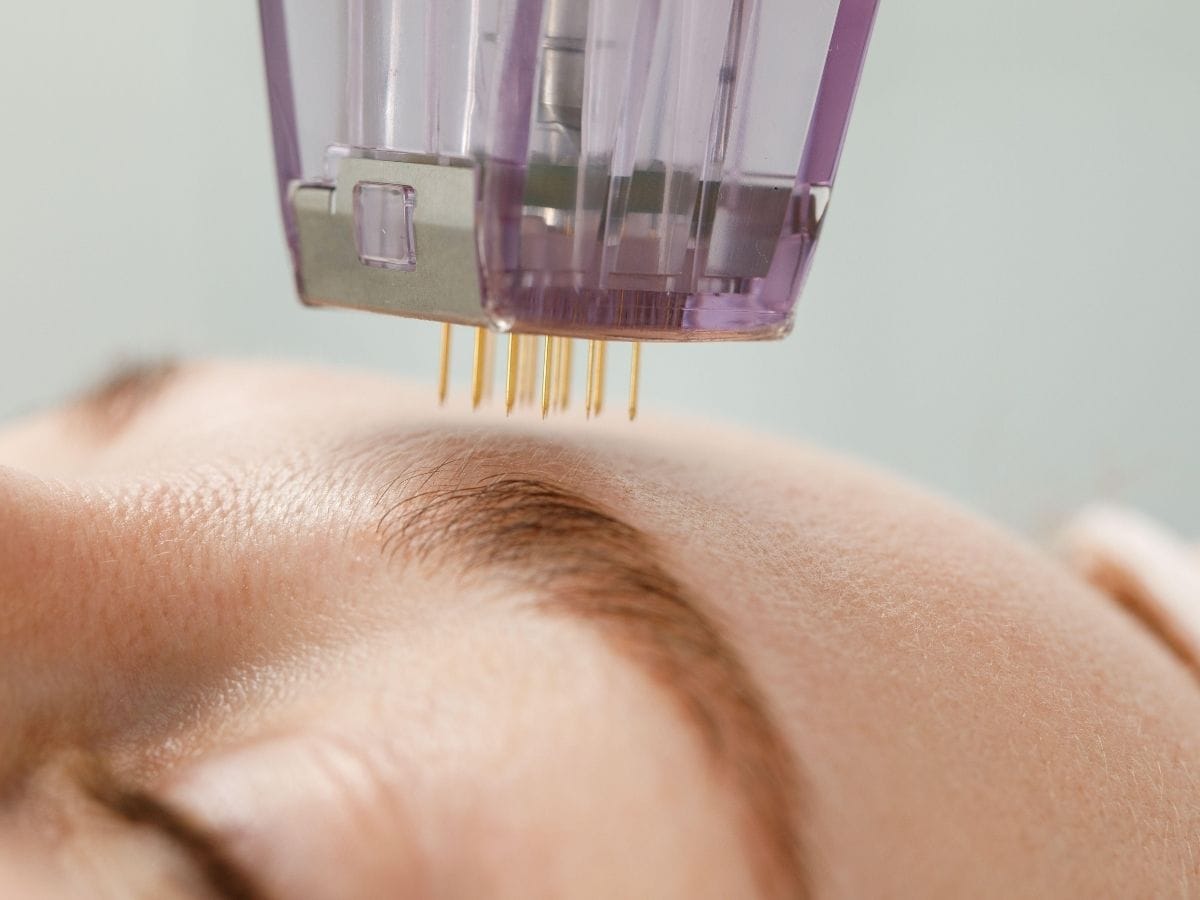
Does Skin Needling Work Better in Winter or Summer?
Many people researching skin needling ask the same question: “When is the best time to get skin needling—winter or summer?” The answer isn’t just about convenience. Seasonal factors such as UV exposure, humidity, and skin turnover can affect both your results and how well your skin heals after treatment. Here’s what practitioners and skin experts…
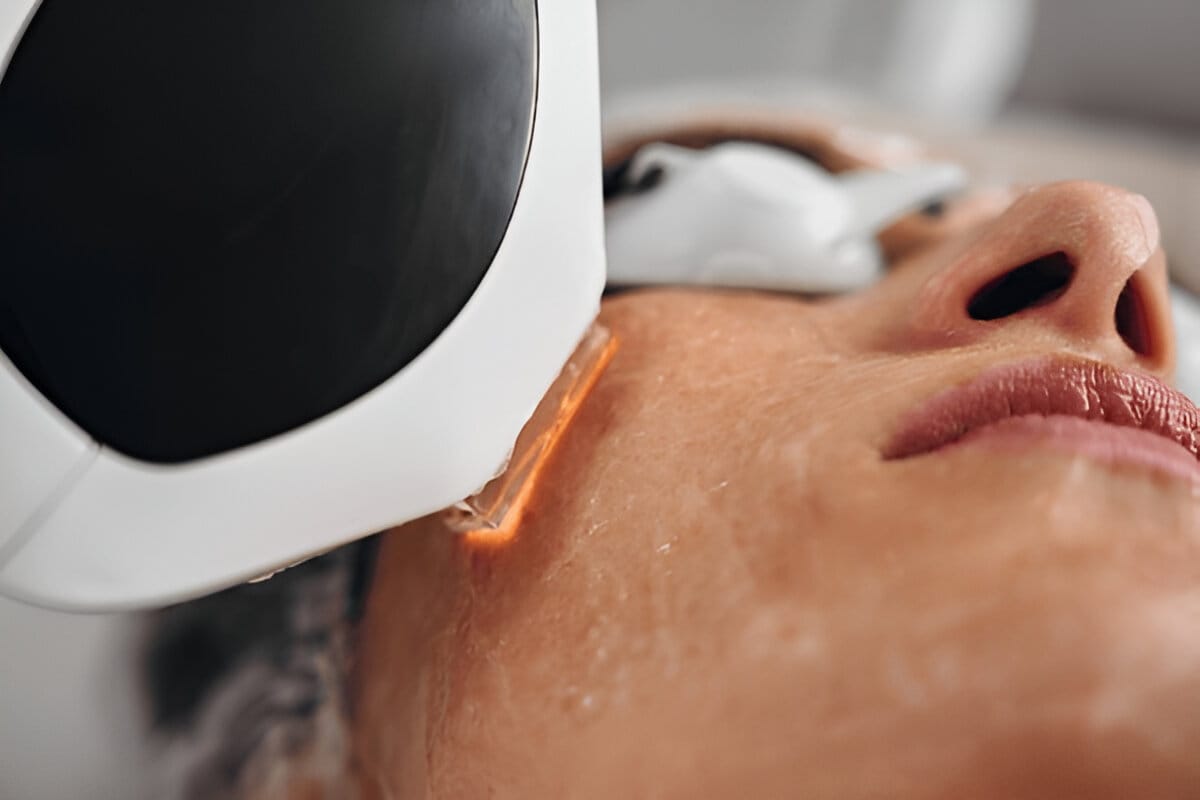
The Complete Guide to IPL Treatments: What to Expect Before, During & After
Thinking about IPL? Here’s exactly what the experience looks like from start to finish. What to Expect with IPL Treatments If you’ve been considering IPL to target pigmentation, redness, or unwanted hair, the next thing you might be wondering is: what’s the treatment actually like? This guide walks you through what to expect before, during,…
IPL vs. Laser: What’s the Difference and Which is Right for You?
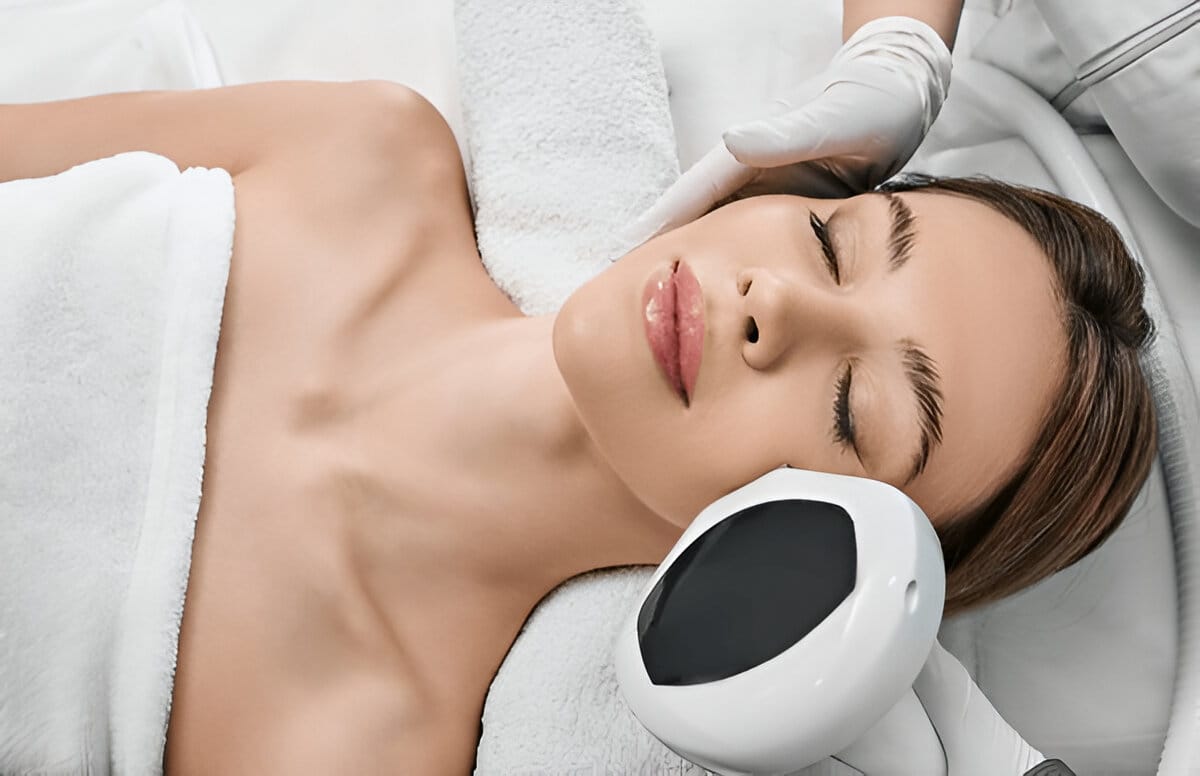
Not sure whether you need IPL or laser? You’re not alone. They’re often confused but they work in different ways and suit different skin goals. In this article, we break down the key differences so you can make the right call. At For the Love of Beauty, we offer IPL treatment services because it’s safe,…
Recovery Timeline After Fibroblasting: What to Expect
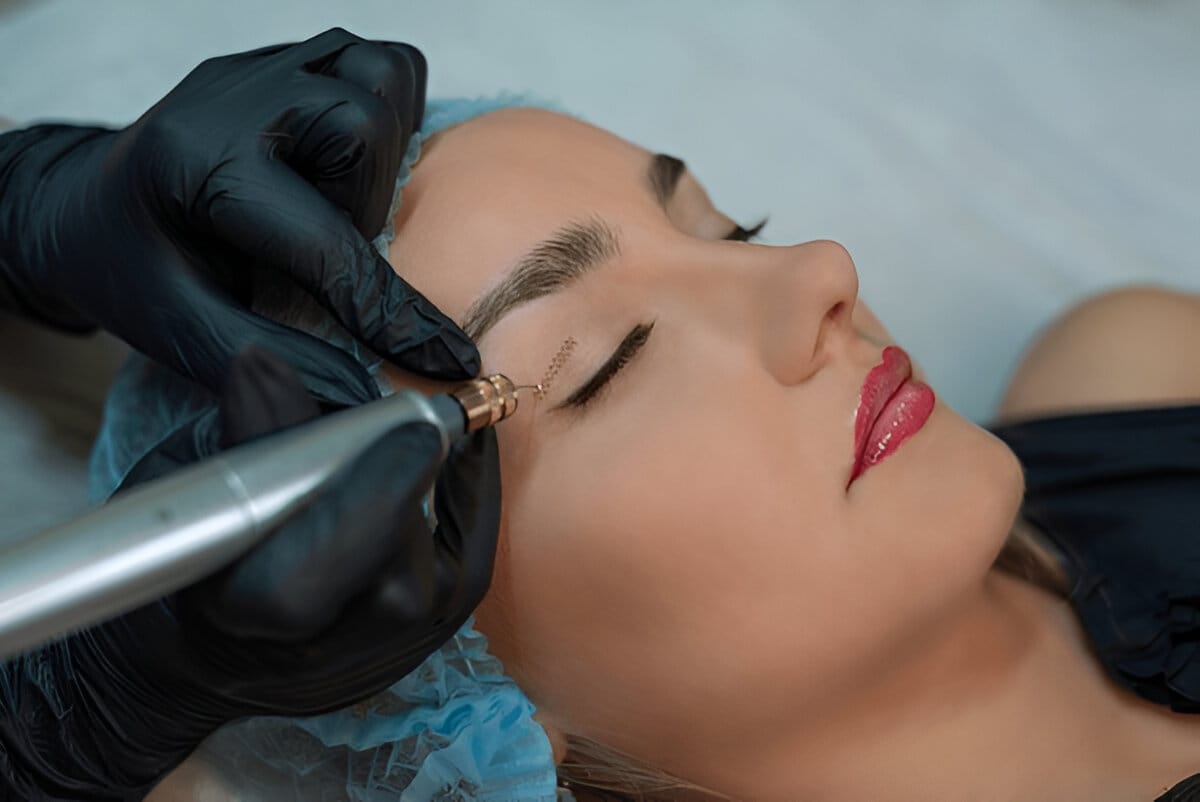
Recovery Timeline After Fibroblasting If you’ve been researching fibroblasting as a non-surgical option for lifting the skin around your eyes, the next question that often comes up is: what’s the recovery actually like? This guide walks you through what to expect after a plasma pen treatment – day by day – so you can plan…

Fibroblasting for Non-Surgical Eyelifts: Complete Guide
Fibroblasting has become one of the most sought-after non-surgical treatments for lifting and tightening the skin around the eyes. For clients exploring alternatives to eyelid surgery, it offers a way to achieve a noticeably fresher look using plasma technology—without incisions or extended downtime. Here’s everything you need to know before booking your treatment. What is…
Lip tattoo explained – what to expect, healing, and how long it lasts
You line your lips every morning, blend the colour in, check the mirror, and head out the door knowing it will be gone by lunchtime. Or maybe your natural lip colour has faded over the years, and you just want a bit of definition back without the daily effort. Either way, you have probably landed on the idea of a lip tattoo and now you want to know what you are signing up for.
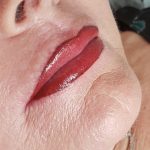
Lip tattooing – also called lip blushing or lip tinting – is one of the most popular cosmetic tattoo treatments in Australia right now, and the modern results are a long way from the harsh lip liner of the 1990s. This is a guide to the full picture: what happens during the appointment, what healing looks like (including the stage where you question your life choices), how long the results last, and who should think twice before booking.
What lip tattoo is (and what it is not)
A lip tattoo is a form of semi-permanent cosmetic tattooing. A technician deposits pigment into the upper layers of the skin on your lips to enhance colour, improve symmetry, and add definition. It is not a body art tattoo. The pigments are specifically formulated for cosmetic use and designed to fade gradually over time, typically lasting somewhere between two and five years before a refresh is needed.
There are a few different styles. A full lip blush adds an all-over wash of colour, similar to a tinted lip balm. A lip liner tattoo focuses on defining the lip border. An ombré style blends deeper colour at the edges into a softer tone towards the centre. The style you choose depends on what you are trying to achieve – whether that is correcting unevenness, adding warmth back to pale lips, or simply skipping the morning lip pencil.
What happens during the appointment
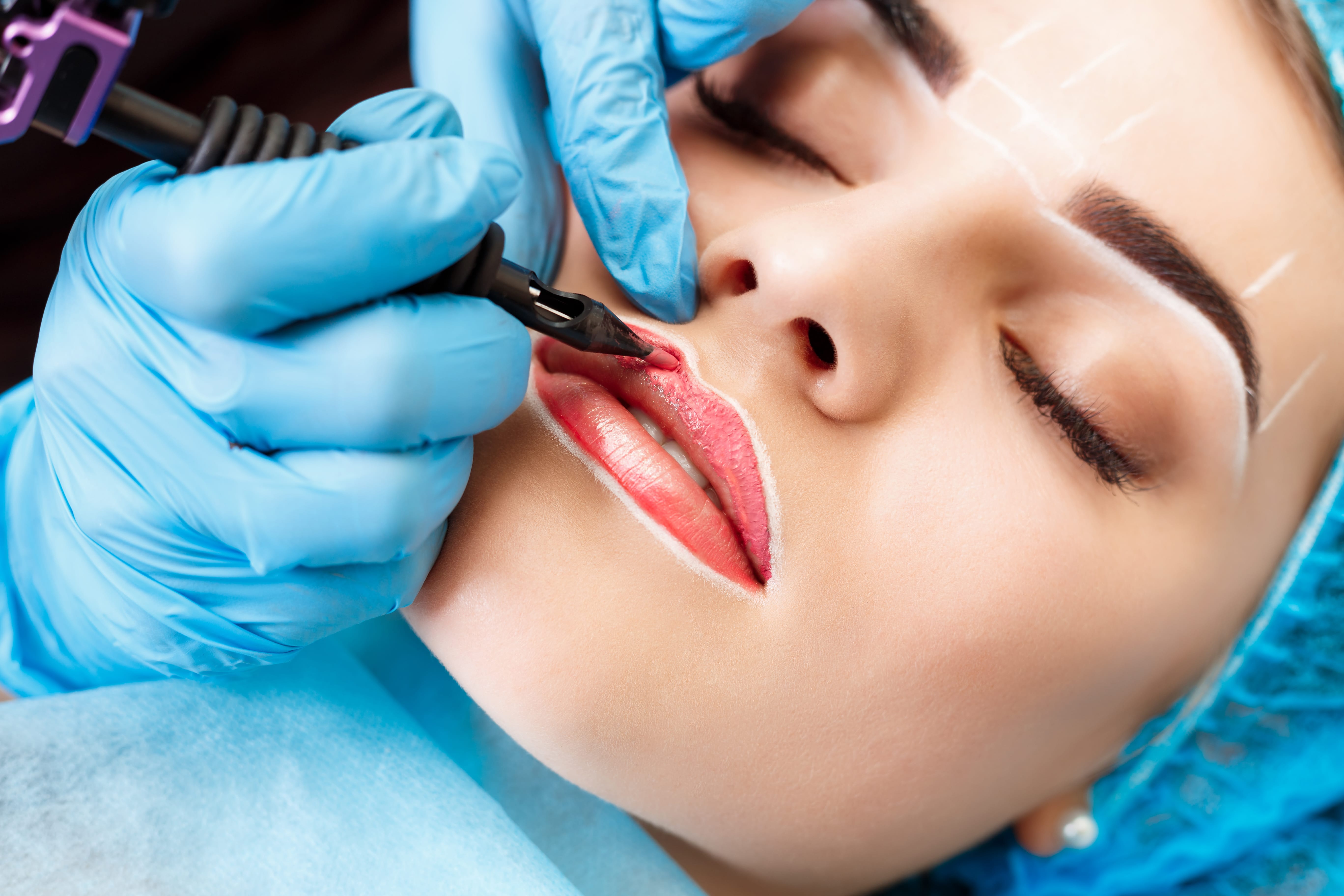
The appointment starts with a consultation, which is the part that matters most. Your technician will discuss the colour you want, map out the shape on your lips with a pencil, and make sure you are happy before any pigment goes in. This is where experience counts. Colour selection is not just about picking a shade you like off a chart – your skin tone, natural lip colour, and how your skin holds pigment all influence the final result. At For the Love of Beauty in Hornsby, Deborah Crofts draws on more than 30 years of cosmetic tattooing experience for this part of the process, which is why the consultation is unhurried.
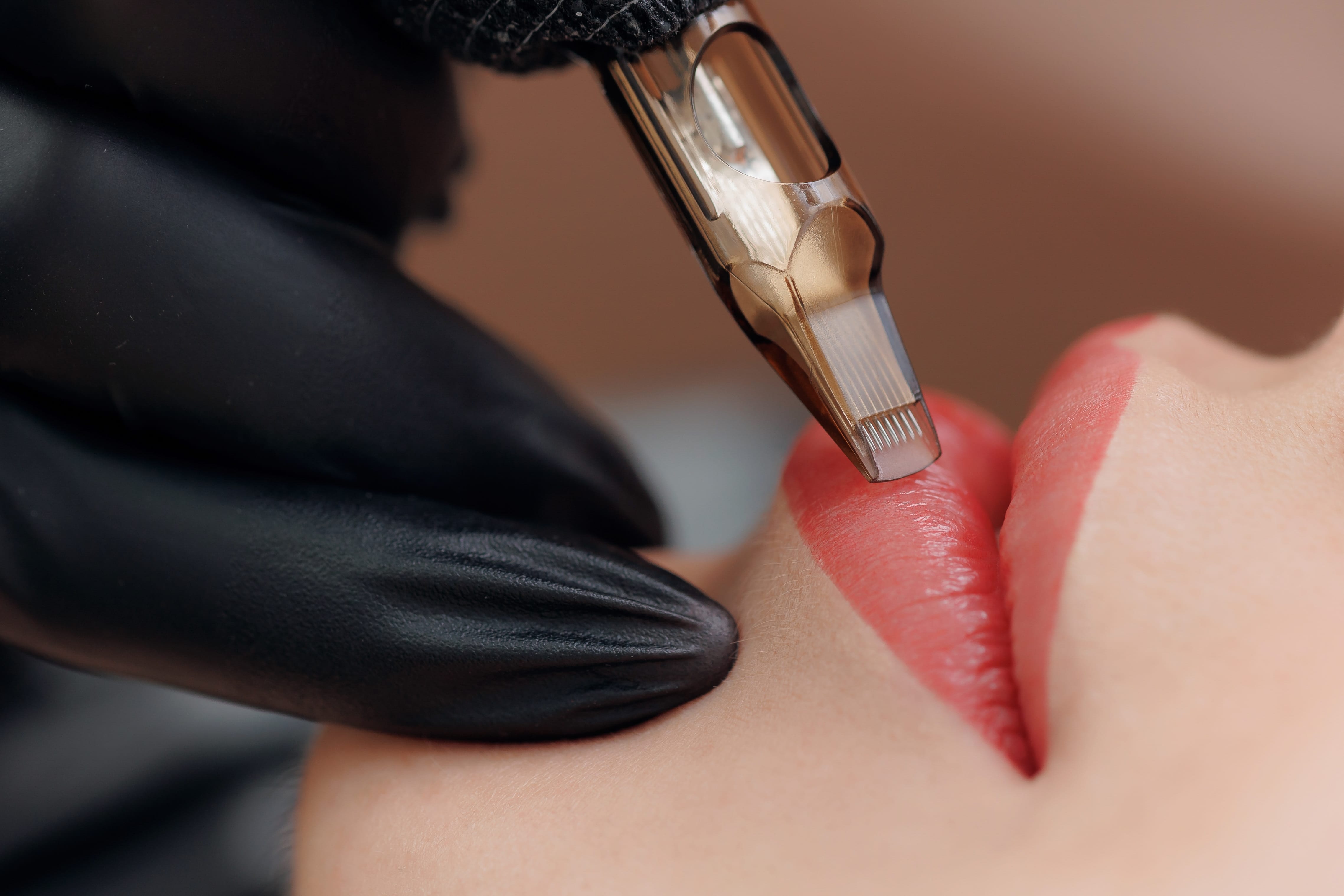
Once you have agreed on colour and shape, a topical numbing cream is applied and left to take effect for around 20 minutes. The tattooing itself involves a small handheld device that deposits pigment into the lip skin in fine, layered passes. Most appointments take between one and a half and two and a half hours from arrival to walking out the door, including the consultation and numbing time.
Pain is the question everyone asks. With numbing, most people describe it as a scratching or vibrating sensation rather than sharp pain. Sensitivity varies – some areas of the lip are more tender than others, and everyone’s threshold is different. It is not painless, but it is manageable.
The healing timeline (and why you should not panic at day three)
Days one and two: Your lips will be swollen and the colour will look intense – noticeably darker and brighter than the shade you chose. This is normal. The pigment is sitting close to the surface and your lips are inflamed from the procedure. Swelling usually peaks on day one or two and then settles.
Days three to five: This is where things get interesting. Your lips will feel dry and tight, and a thin film will start to form. Peeling begins. The colour underneath can look patchy or much lighter than you expected, and this is the stage where many people think something has gone wrong. It has not. The pigment is still there, sitting underneath new skin that has not yet become fully transparent.
Days six to ten: The peeling finishes. Your lip colour may look 30 to 50 per cent lighter than it did immediately after the appointment. Again, this is not the final result.
Weeks two to six: This is the settling phase. As the skin matures and becomes more transparent, the pigment gradually shows through. The true healed colour reveals itself around the four to six week mark. A touch-up appointment is usually scheduled at six to eight weeks to refine the colour, fill any areas that healed unevenly, and build a second layer of pigment for longer-lasting results.
After the first session, colour retention typically sits at around 30 to 50 per cent. The touch-up session builds on that foundation. This two-appointment process is standard practice for cosmetic tattooing and is not a sign that the first session failed.
How long lip tattoo lasts and what makes it fade
Most lip tattoos last between two and five years before the colour fades to the point where a refresh is worth considering. That is a wide range, and where you fall depends on several factors.
Skin type plays the biggest role. Oilier skin tends to break down pigment faster than drier skin. Sun exposure accelerates fading – UV light degrades the pigment particles over time, which is why wearing an SPF lip balm after healing is one of the simplest ways to extend your results. Skincare products that increase cell turnover, such as retinol or chemical exfoliants used on or near the lips, will also speed up fading. Smoking has a similar effect.
If you want to understand more about why some cosmetic tattoos fade faster than others, For the Love of Beauty’s blog post on cosmetic tattoo fading covers the science behind it in more detail.
Who lip tattoo suits (and who should wait)
Lip tattooing suits most adults who want to enhance their lip colour, definition, or symmetry without daily makeup. It works well for people whose natural lip colour has faded with age, whose lip line has become less defined, or who simply want the convenience of waking up with a soft tint already in place.
There are some situations where you should not go ahead, or should wait. If you are pregnant or breastfeeding, the procedure is not recommended because the safety of cosmetic tattoo pigments during pregnancy has not been established and effective numbing agents cannot be used. If you have a history of cold sores (herpes simplex), the procedure can trigger an outbreak. This does not mean you cannot have lip tattooing done, but you will need to speak with your GP about antiviral medication to take before and after the appointment.
Other contraindications include blood-thinning medications (including aspirin and ibuprofen, which should be avoided for 48 hours before the procedure), Accutane use within the past 12 months, active skin infections or conditions on or near the lips, and certain autoimmune disorders. If you are unsure whether lip tattooing is suitable for you, this is exactly what the consultation is for.
Book a consultation at For the Love of Beauty
A lip tattoo is not a decision you make on impulse, and it should not feel like one. The consultation exists so you can ask every question, see colour options on your skin, and walk away with a clear understanding of what your results will look like before any pigment goes in. If you are ready to stop redrawing your lips every morning, or you want to bring some colour back, book a consultation with Deborah at For the Love of Beauty in Hornsby. Thirty years of cosmetic tattooing experience means you are in steady hands.