
Further Reading

Tattoo Removal
Up until few years ago, laser treatment was the only way to get rid of a tattoo or pigmentation. But that’s not the only way anymore. We’re introducing a natural alternative based on lactic acid.
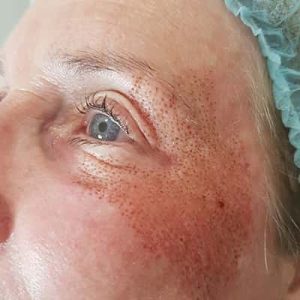
Fibroblasting
Fibroblast treatments are a revolutionary non-surgical lift procedure that drastically reduces wrinkles. Fibroblasting is suitable for Acne Scarring Glabella Lines (between eyebrows) Perioral Lines Crow’s Feet Eyelid Tightening Pigmentation/Age Spots Smokers/ Lip Lines Tattoo Fading Skin Tags Cheek Wrinkles Necklines HOW FIBROBLAST TREATMENTS WORK: Fibroblast creates a plasma flash to stimulate tighter skin fibres, increased…
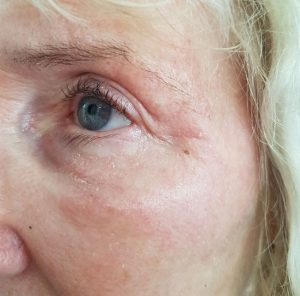
Fibroblasting – Skin Tightening for Wrinkles
This is one week after the treatment has healed, as you can see the great result its taken years off her.
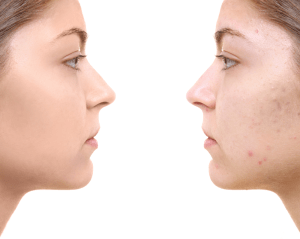
Problem Skin
Adolescents often face significant challenges when it comes to their skin. Hormonal changes can lead to breakouts that can be embarrassing and difficult to address effectively on a daily basis. To tackle this issue, I recommend treating the skin with a Pumpkin Enzyme Facial. This treatment not only combats bacteria but also helps reduce scarring…

Age Spots
Pigmentation spots can appear everywhere, they seem to be much more predominate as we age,they can appear on the Face, Hands Arms ,and Legs. There are two ways for removal and it depends on the skin as to how I would treat them. IPL is one way Intense Pulsed Light which is costed by the…
What is an areola tattoo?
An areola tattoo adds pigment to change the appearance of the coloured skin around the nipple. It can be used for faded colour or after breast surgery. Its purpose is visual: tattooing does not rebuild breast tissue or create a projecting nipple. After surgery, discuss whether, when and where tattooing is suitable with your treating breast care team.
The salon publishes those two uses for its areola tattoo service. Faded colour and a change after surgery are different starting points. Neither means you have to have a tattoo, and the advertised service alone cannot tell you what would suit your circumstances.
What is an areola tattoo intended to do?
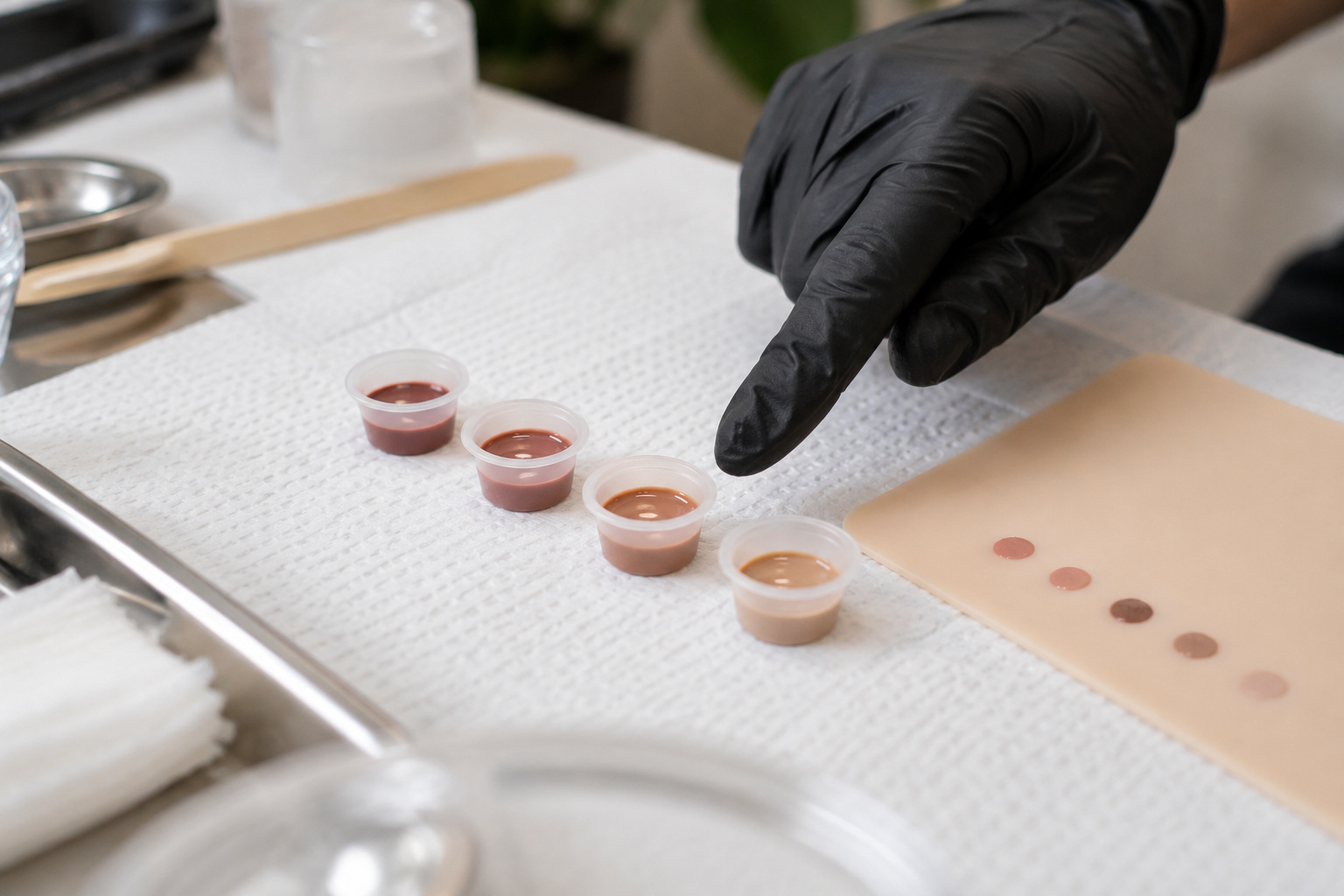
The areola is the coloured area around the nipple. Tattooing adds pigment to the skin to change how that area looks.
The salon describes its breast areola tattoo service as a way to add a little colour to an areola that has faded, or after breast surgery. That describes the intended use. It does not explain why someone’s colour changed or establish that every person considering the service can have it.
Its general cosmetic tattoo explanation describes pigment placed into the skin with a specialised needle. That is the published account of the method, rather than evidence of a particular areola technique, pigment or device.
The proposed colour, outline and appearance need individual assessment. A general description cannot show how a proposed change would look on your skin. It also cannot promise a perfect colour match or symmetry. Keep the intended appearance separate from a guaranteed result.
Colour is different from breast reconstruction
A change in appearance and a change in physical structure are different aims. Being clear about which you want helps explain the limits of tattooing.
The National Cancer Institute’s breast reconstruction information distinguishes surgical reconstruction of the nipple from tattooing. It describes specialised three-dimensional nipple tattooing that can create a realistic appearance while remaining flat to the touch. That is general information from the institute, rather than evidence of this salon’s technique or results.
| Intended change | What the distinction means |
|---|---|
| Add colour | Pigment changes the skin’s appearance. |
| Create a visual impression of a nipple | The institute describes specialised tattooing that remains flat to the touch. |
| Rebuild tissue or create physical projection | A tattoo does not perform surgical reconstruction. |
A photograph can show an appearance without establishing physical projection. Keep that difference in mind when looking at examples of tattooing. The institute’s description does not establish that this salon offers specialised nipple tattooing. Any decision about breast reconstruction belongs with your treating team, including whether you want to consider it at all.
After surgery, your breast care team comes first

If you have had breast surgery, discuss tattooing with the team treating you before making arrangements. The useful questions are whether it is suitable for you, when it could be considered and where it should be done.
In its post-reconstruction context, the National Cancer Institute describes nipple and areola reconstruction after the chest has healed and the breast mound has settled in position. That is an explanation of sequence in that setting. It is not a waiting period for every type of breast surgery, or a test you can use to clear yourself for tattooing.
Your own surgery, healing and continuing treatment need to be considered by the people responsible for your care. No number of weeks or months in a general article can answer that individual question.
The salon’s description of use after breast surgery confirms an advertised service. It does not establish a referral arrangement, clearance policy or clinical pathway. Do not take that short description as medical advice about when to proceed.
An areola tattoo is not a guaranteed result
Adding colour is the intended change, not a promise of a particular appearance. An individual assessment is needed to discuss what is proposed and its limits. The salon’s general description cannot supply an answer for your skin or replace advice from your treating team after surgery.
Tattooing also penetrates the skin. NSW Health’s guidance for body art and tattooing businesses explains the need for infection-control practices to prevent infections spreading between clients. This is general health information, not evidence of any individual business’s compliance or credentials.
The cosmetic tattoo page says to call for areola pricing. It gives no areola fee, fixed number of visits or areola-specific healing interval. Those details cannot be filled in from the prices or aftercare of a different treatment. General brow and lip guidance does not establish the care needed for this service.
You can choose to wait or decline

You can explore the service, postpone a decision or decide against tattooing. It is a personal choice about appearance, not a requirement to complete recovery. You do not have to choose a treatment because it is available.
If you want to discuss the published offer, send an enquiry to For the Love of Beauty in Hornsby for an individual assessment. After breast surgery, keep the medical discussion with your treating breast care team. An enquiry is a request for information, not a commitment to proceed.