

Further Reading

Age Spots
Pigmentation spots can appear everywhere, they seem to be much more predominate as we age,they can appear on the Face, Hands Arms ,and Legs. There are two ways for removal and it depends on the skin as to how I would treat them. IPL is one way Intense Pulsed Light which is costed by the…
Why Some Hair Removal Methods Stop Working Over Time
Many people start hair removal treatments with good early results, only to notice that hair seems to return more quickly or unevenly months or years later. This can feel frustrating, particularly when time and money have already been invested. In most cases, this change is not a failure of the treatment itself, but a reflection of how hair growth works and how the body responds over time.
Understanding why hair removal results can plateau or change helps set realistic expectations and explains why different methods are often used together rather than as one-off solutions.
Hair growth is cyclical, not constant
Hair does not grow continuously. Each follicle moves through a cycle that includes growth, rest and shedding. At any given time, only a portion of hair follicles are actively producing hair.
Hair removal methods that target the follicle are most effective during the active growth phase. Follicles that are resting or dormant at the time of treatment are unaffected and may produce visible hair later. This is one of the main reasons multiple sessions are required, regardless of the method used.
Over time, new follicles can also become active, particularly in areas influenced by hormones.
Hormones influence long-term results
Hormonal changes play a significant role in hair growth. Puberty, pregnancy, menopause and conditions affecting hormone balance can all stimulate new hair growth or change hair texture.
This is why no hair removal method can guarantee permanent results for every person. Even treatments that significantly reduce hair density can require maintenance as the body changes.
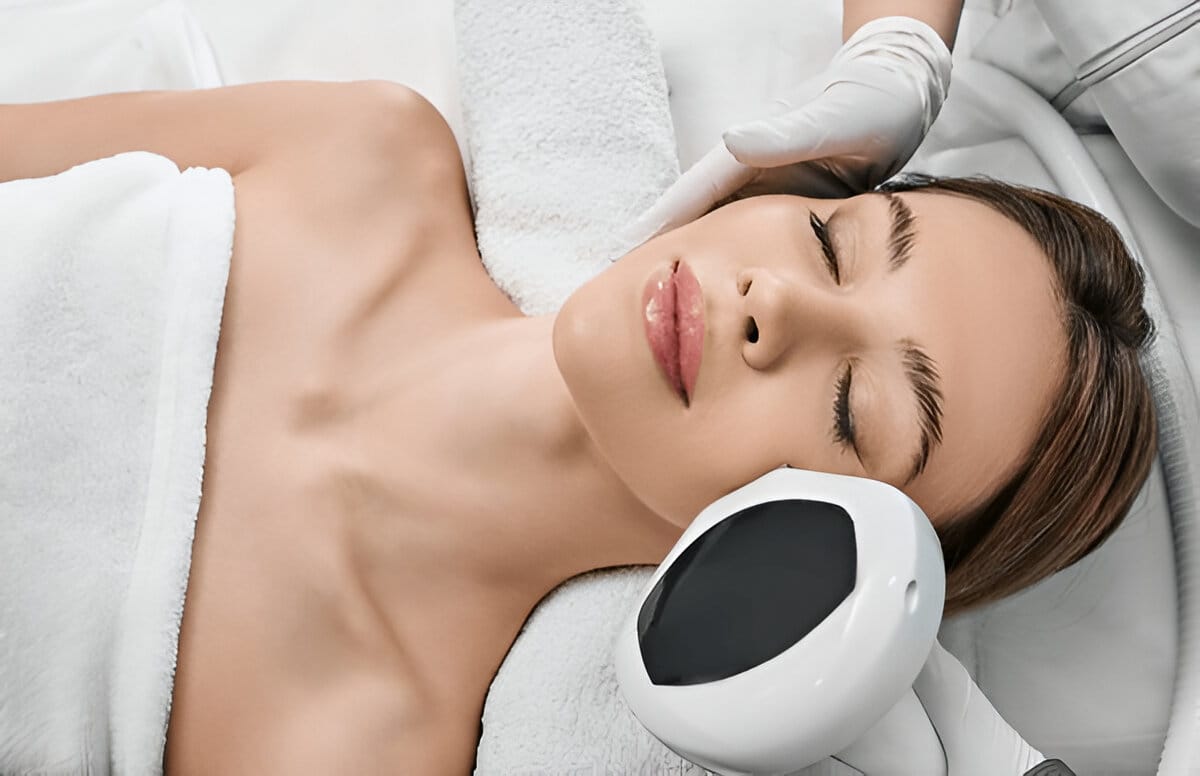
Why IPL results can vary over time
IPL works by targeting pigment in the hair follicle using light energy. For IPL to be effective, there must be sufficient contrast between hair colour and skin tone, and the hair must be in the correct growth phase.
Results may plateau when:
- hair becomes finer and lighter, reducing pigment for IPL to target
- hormonal changes stimulate new hair growth
- sessions are spaced too far apart to capture active growth phases
- hair growth cycles slow or become irregular
This does not mean IPL has stopped working, but that its effectiveness may change as hair characteristics change.
The role of body sugaring in ongoing hair management
Body sugaring removes hair from the root without relying on pigment or light. Because of this, it remains effective regardless of hair colour or skin tone.
Sugaring does not aim to permanently stop hair growth. Instead, it supports smoother regrowth over time and can help reduce irritation compared to shaving or traditional waxing. Many people use sugaring as a long-term maintenance option, either on its own or alongside other treatments.


Why combining methods is common
It is common for people to use different hair removal methods at different stages. IPL may be used to reduce overall hair density, while body sugaring is used for areas where finer hair remains or where hormonal regrowth occurs.
This combination approach reflects how hair biology works rather than a limitation of any single treatment.
When expectations need adjusting
Hair removal treatments are often marketed as permanent or long-lasting. In practice, long-term management is a more accurate description.
Results depend on:
- hair colour and thickness
- skin tone and sensitivity
- hormonal influences
- treatment timing and consistency
Clinics that discuss these factors openly tend to achieve better long-term satisfaction because clients understand what treatments can and cannot do.
Frequently Asked Questions about Hair Removal Methods
Why does hair grow back after IPL?
Hair grows in cycles. IPL only affects follicles in the active growth phase, so additional sessions are needed to treat hair as it becomes active. Hormonal changes can also stimulate new growth over time.
Does body sugaring reduce hair permanently?
Body sugaring removes hair from the root but does not permanently stop hair growth. Over time, regrowth may become finer and slower for some people.
Why did IPL work at first and then slow down?
As hair becomes finer and lighter, there is less pigment for IPL to target. This can reduce effectiveness and is a common part of the treatment process.
Can IPL and body sugaring be used together?
Yes. Many people use IPL to reduce hair density and body sugaring for maintenance or for areas where IPL is less effective.
How long should hair removal results last?
Results vary between individuals. Most methods require maintenance over time due to hair growth cycles and hormonal changes.
Is there a permanent hair removal solution?
No method permanently removes all hair for every person. Long term reduction and management is a more realistic goal.