
Further Reading

Age Spots
Pigmentation spots can appear everywhere, they seem to be much more predominate as we age,they can appear on the Face, Hands Arms ,and Legs. There are two ways for removal and it depends on the skin as to how I would treat them. IPL is one way Intense Pulsed Light which is costed by the…
Why Some HIFU Treatments Work Better Than Others
High-Intensity Focused Ultrasound (HIFU) has become one of the most requested non-surgical lifting and tightening procedures in Australia. It promises firmer skin, improved jawline definition and a more supported facial structure without downtime. But results are not the same for everyone. Some people notice lifting and tightening within weeks. Others see only subtle improvement, or none at all.
Understanding why HIFU works better for some clients requires looking at the science behind the technology, as well as the biological and technical factors that influence collagen production.
Collagen Reserves Decline at Different Rates
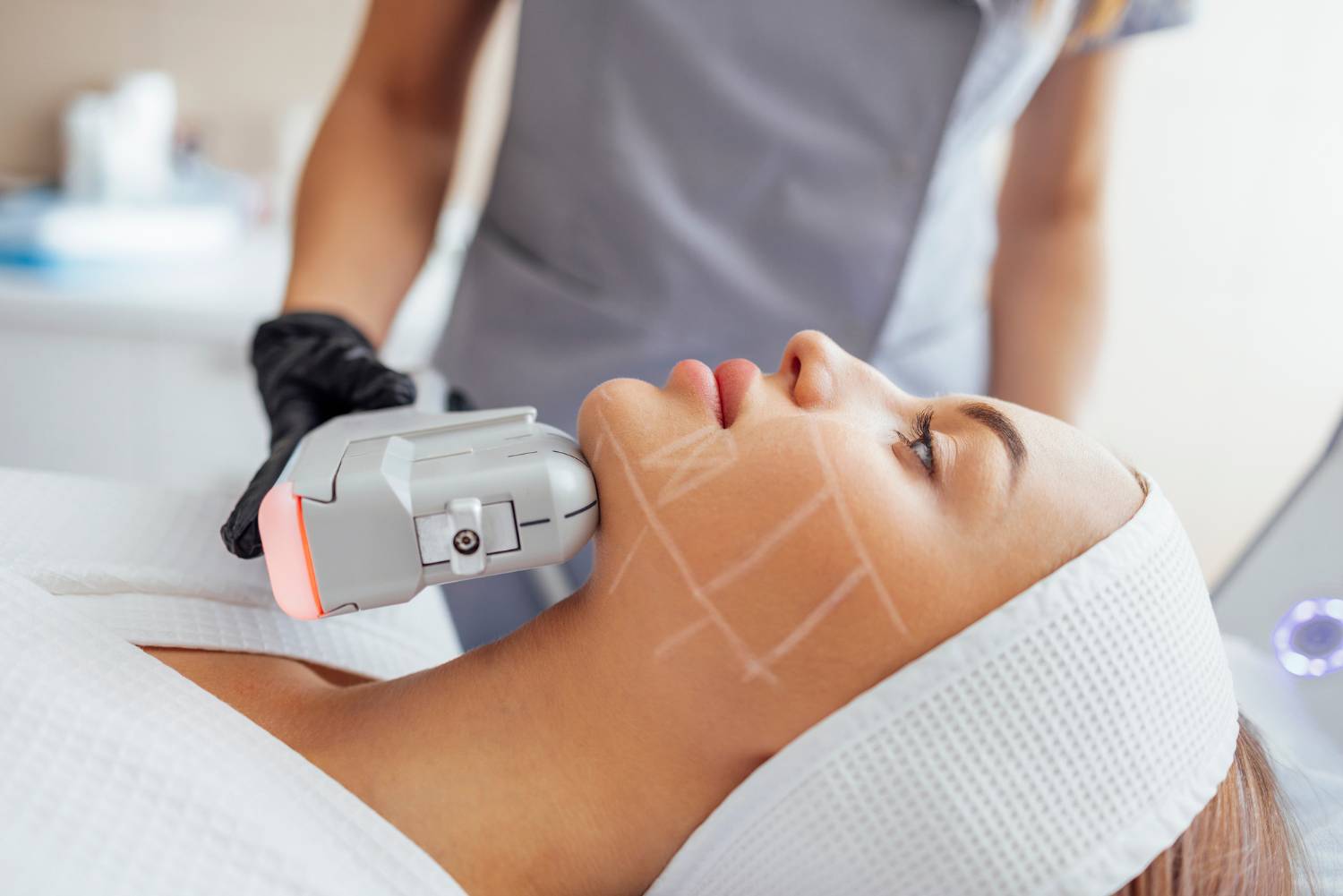
HIFU works by creating controlled heat points deep within the skin’s foundational layer, stimulating collagen production. But collagen levels vary significantly between individuals due to genetics, age, sun exposure and lifestyle.
People most likely to see strong results usually have:
- moderate, not severe, skin laxity
- healthy baseline collagen levels
- minimal long-term sun damage
- good hydration and overall skin health
People with thinner or heavily sun-damaged skin may still see improvement, but changes are often subtler because the collagen network being stimulated is weaker.
At a Glance: Who Responds Best to HIFU?
| Skin Condition | Expected Response | Notes |
|---|---|---|
| Mild laxity | Strong | Clear lifting around jawline & cheeks |
| Moderate laxity | Good | Gradual tightening over 3 months |
| Severe laxity | Mild | May need combination therapies |
| Significant sun damage | Mild | Collagen response reduced |
Age and Skin Thickness Shape the Outcome
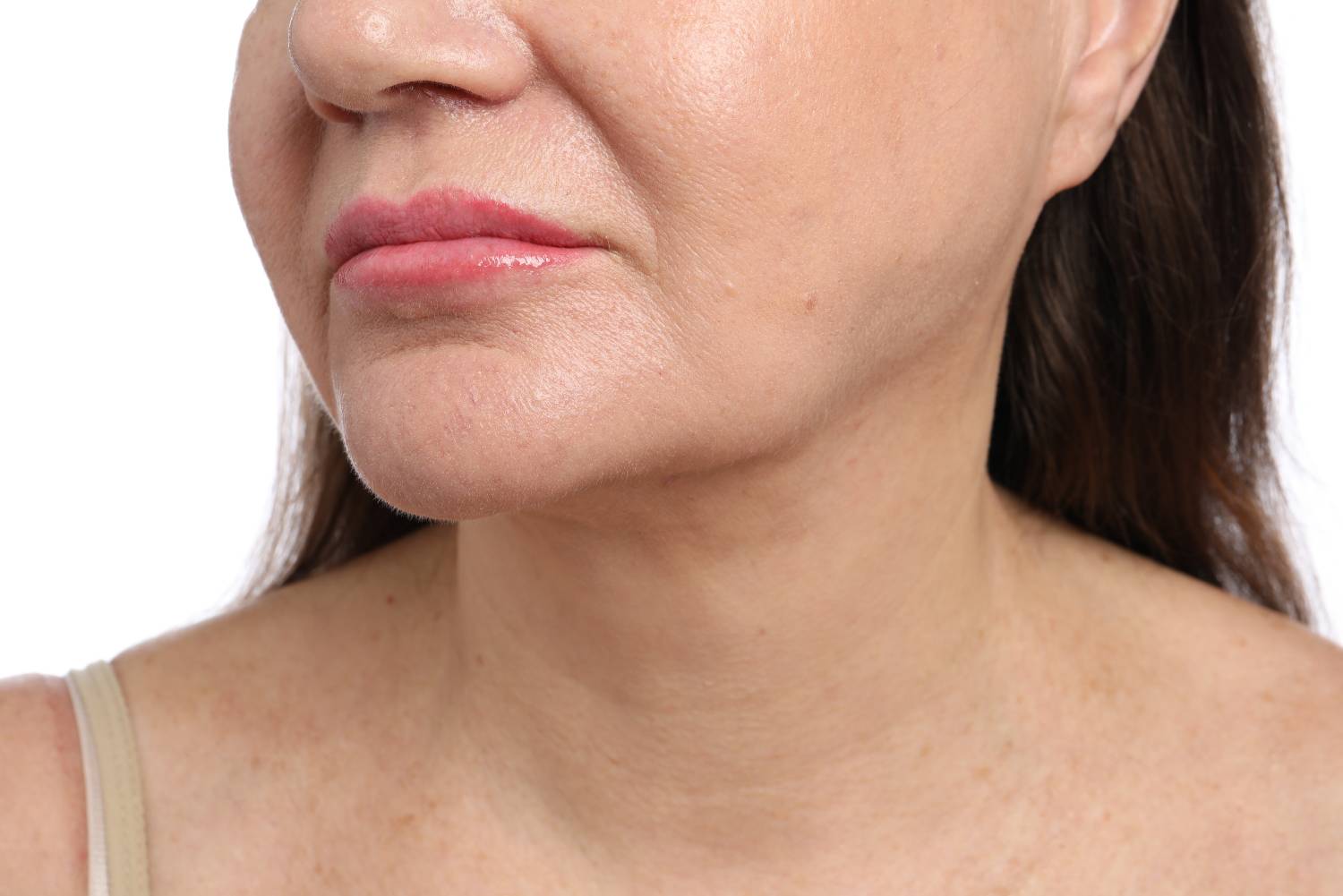
Younger clients often respond more quickly because their collagen network is denser and more capable of rebuilding. Mature clients can still achieve tightening, but the response is slower and may require multiple sessions.
Skin thickness also varies across the face. HIFU works best where the skin can tolerate deeper energy delivery — around the jawline, lower face and upper neck. Results are more subtle in thinner areas such as the forehead.
Device Technology Matters More Than Most People Realise
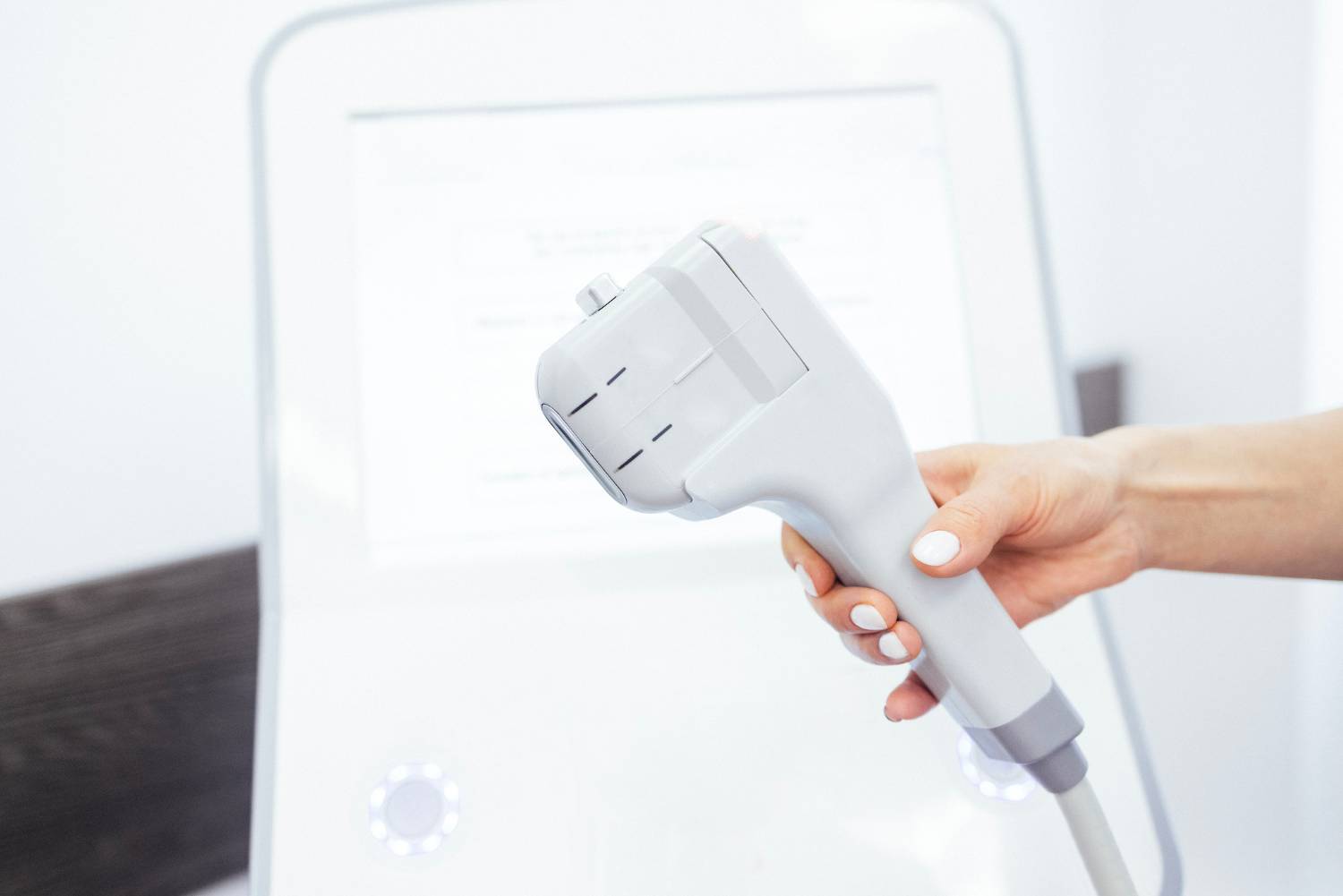
Not all HIFU devices deliver energy at the same precision or depth. High-quality medical-grade systems use real-time imaging to ensure the ultrasound energy hits the correct layer of tissue. Cheaper devices may scatter energy, reaching only superficial layers and producing limited collagen stimulation.
Key differences between devices include:
- depth accuracy
- energy consistency
- ability to target the SMAS layer
- temperature stability
- real-time imaging capability
These differences explain why some clients receive impressive tightening while others see minimal change despite having the same treatment name.
Treatment Technique Varies Between Practitioners
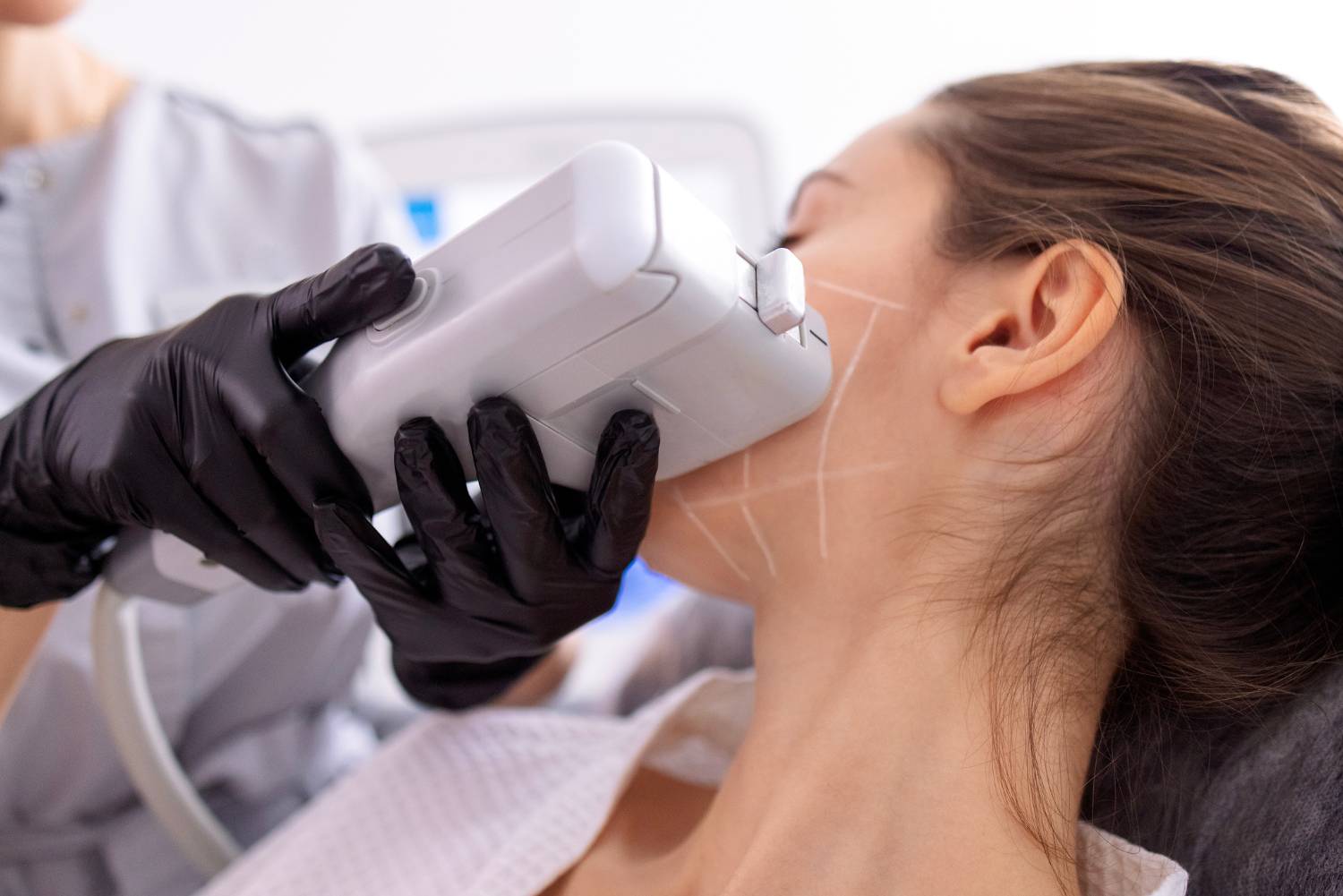
Even with a high-quality device, technique influences outcomes. Effective HIFU requires choosing the right depth cartridges, mapping energy lines correctly and adjusting intensity based on the client’s tissue structure.
Experienced practitioners assess:
- skin thickness
- location of existing laxity
- asymmetry in the lower face
- where support is needed most
- how many passes each area requires
Technique determines whether the energy reaches the tissue that actually needs stimulation.
Lifestyle and Health Influence Collagen Production
HIFU results appear gradually because the process depends on the body’s ability to produce new collagen. Lifestyle factors can significantly influence this cycle.
Factors that reduce collagen response include:
- smoking
- chronic dehydration
- long-term sun exposure
- poor sleep
- high stress
- diets low in protein or essential nutrients
People with healthier habits typically see stronger lifting and tightening.
Quick Comparison: Factors That Influence HIFU Results
| Factor | Impact on Outcome |
|---|---|
| Baseline collagen | Determines strength of response |
| Skin thickness | Affects how energy is delivered |
| Device quality | Influences precision & depth |
| Practitioner skill | Shapes lifting strategy |
| Lifestyle habits | Affects collagen production |
Expectations and Severity of Laxity
HIFU is designed for lifting and tightening mild to moderate skin laxity. It is not a replacement for surgical lifting procedures. Clients with significant laxity may require combination treatments such as fibroblasting, dermal fillers, or multiple HIFU sessions over time.
Setting realistic expectations leads to higher satisfaction and helps clients understand the natural limits of collagen-based treatments.
Why Results Take Time
HIFU begins a biological process rather than producing instant change. Collagen remodelling takes several weeks, with the most visible tightening appearing between 8 and 12 weeks. Some clients continue improving for up to six months as new collagen strengthens the underlying support system.
A lack of immediate change is not a sign of failure — it reflects the natural pace of collagen synthesis.
FAQ: Understanding HIFU Results
1. How long does it take to see HIFU results?
Most clients see results between 8 and 12 weeks as collagen forms. Some continue improving for several months.
2. Why didn’t my HIFU treatment produce dramatic results?
Severe laxity, low baseline collagen, significant sun damage or a low-quality device can all reduce response.
3. Does HIFU work better for some age groups?
People in their 30s to early 50s often respond best because their collagen network is still robust.
4. Can HIFU replace a facelift?
No. HIFU improves mild to moderate laxity. Surgical lifting is needed for more advanced sagging.
5. Why do two people with similar skin see different results?
Collagen structure, skin thickness, device type, technique and lifestyle all contribute to variability.
6. How long do the results last?
Most people enjoy results for 12 to 18 months. Maintenance sessions can extend longevity.