
Further Reading

Bio-microneedling or skin needling: which one suits your skin right now?
Two treatments, almost the same name, sitting next to each other on the one menu. They are not the same thing, and the difference is depth. Our new guide sets out which complaints each one can reach, what the week afterwards asks of you, and how thin the evidence still is on the newer one.

Eyebrow tattoo gone grey or too dark: correct it, remove it, or wait it out?
Grey-blue brows, or brows that came out heavier than you agreed to, have three ways out, and only one of them is usually right for you. Our new post sets out colour correction, removal and waiting. It includes where laser is the better call, and the one risk it carries that belongs to cosmetic pigment.
What is HIFU, and how does it tighten skin?
HIFU stands for high intensity focused ultrasound. What it does under the skin, what it treats, what a session feels like, and who it is not for.
HIFU for a sagging jawline, jowls and neck: what it can and can’t lift
HIFU by age, best age for HIFU; HIFU in your 40s / 50s / 60s, too young or too old for HIFU, HIFU prevention vs correction, Uncontested age-suitability longtails, no tracked volume, foundational-content play.

Is HIFU worth it at your age? What to expect in your 40s, 50s and 60s
HIFU by age, best age for HIFU; HIFU in your 40s / 50s / 60s, too young or too old for HIFU, HIFU prevention vs correction, Uncontested age-suitability longtails, no tracked volume, foundational-content play.
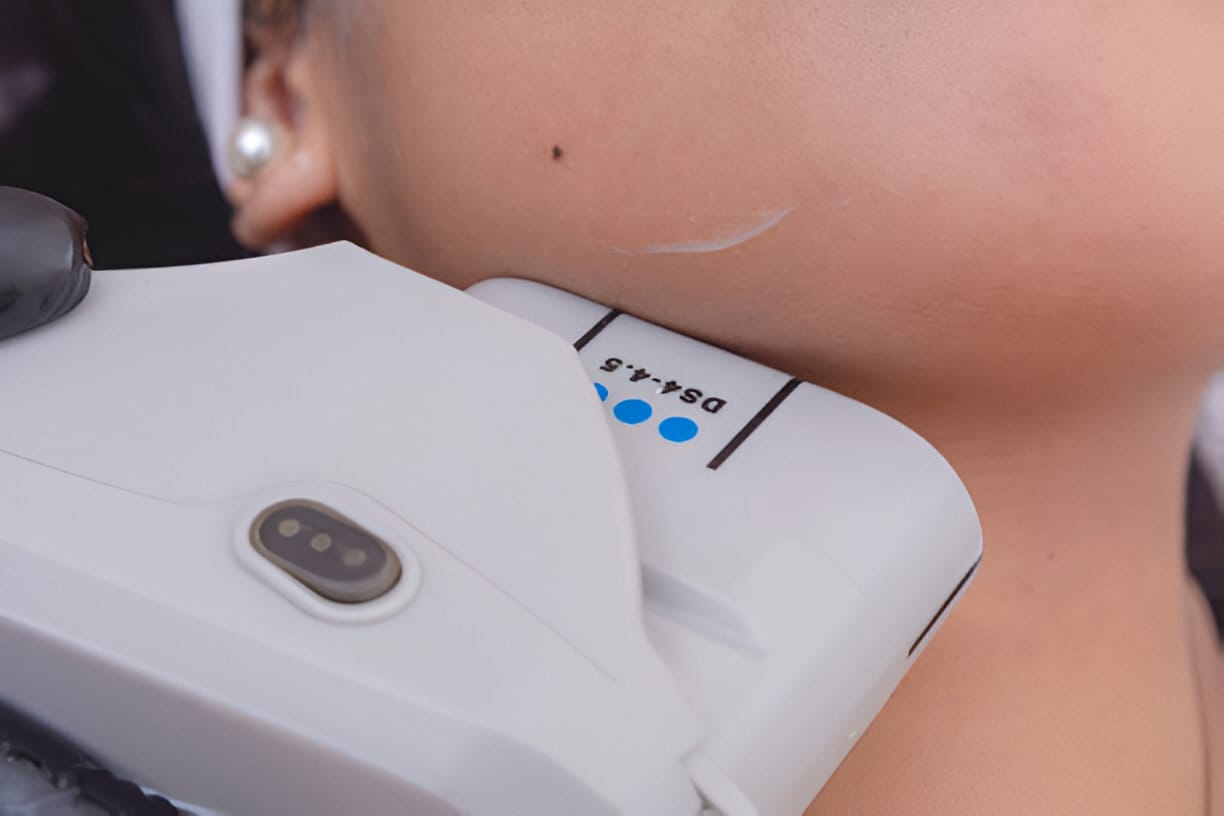
HIFU for jawline, neck and jowls: realistic results
Compare plasma skin tightening and HIFU for laxity, eyelids, jawline, downtime, healing, and realistic treatment fit.
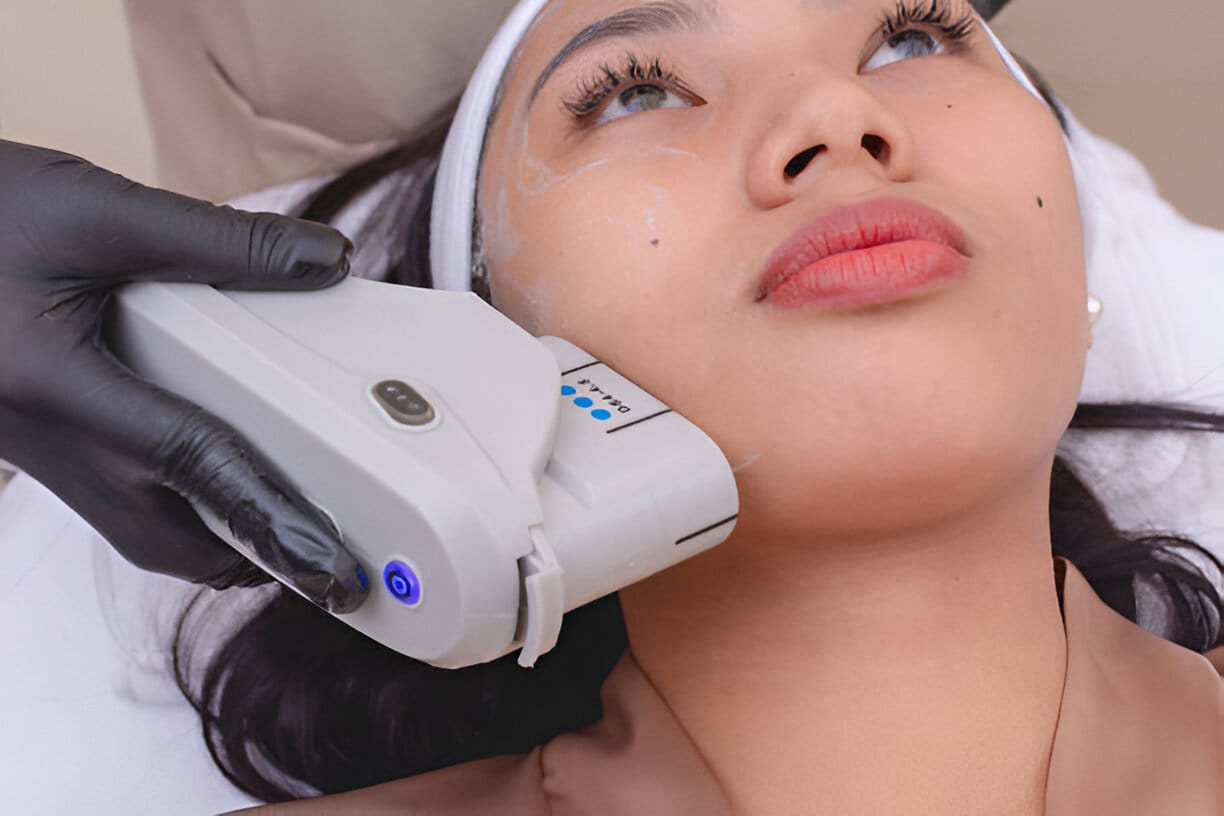
Plasma skin tightening vs HIFU: which fits the concern?
Compare plasma skin tightening and HIFU for laxity, eyelids, jawline, downtime, healing, and realistic treatment fit.
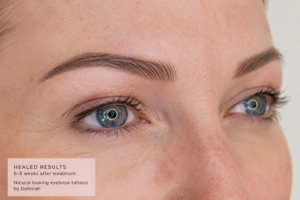
Eyebrow tattoo – styles, what to expect, and how to choose the right look
Body sugaring is often seen as an alternative hair removal method, but many clients use it long term. This article explains why.
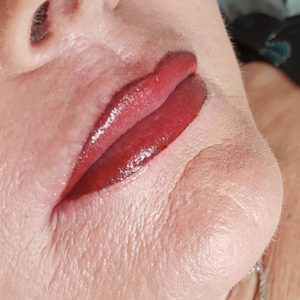
Lip tattoo explained – what to expect, healing, and how long it lasts
Body sugaring is often seen as an alternative hair removal method, but many clients use it long term. This article explains why.

Do Clients Stick With Body Sugaring Long Term?
Body sugaring is often seen as an alternative hair removal method, but many clients use it long term. This article explains why.
Skin tag removal: what to know before booking
A small raised tag on your neck, underarm, bra line, or face can be easy to ignore until it catches on jewellery, rubs under clothing, or makes shaving awkward. You may search for skin tag removal, then wonder whether it is safe to remove and who should check it first.
For the Love of Beauty in Hornsby offers skin tag and skin irregularity removal as part of Deborah Crofts’ broader skin treatment work. The first step is not rushing into removal. It is deciding whether the spot looks suitable for cosmetic assessment, or whether a GP, skin cancer clinic, or dermatologist should see it first.
What is a skin tag?
A skin tag is a small growth that hangs from the skin, often attached by a narrow stalk. Healthdirect Australia describes skin tags, also called acrochordons, as common skin growths that can range from about 1 mm to 1 cm and are often found where skin rubs together.
Common areas include the neck, underarms, eyelids, groin folds, thighs, and under the breasts. Skin tags may be skin-coloured or darker. They often do not hurt, but they can become sore if they twist, catch, or rub against jewellery or a razor.
Healthdirect Australia also notes that skin tags are common with age and occur in about 1 in 2 adults. That does not mean every raised spot is a skin tag. Warts, moles, cherry angiomas, fibromas, cholesterol deposits, and other skin changes can look similar to an untrained eye.
An online article cannot confirm what a spot is. The safer way to think about this is: what looks like a skin tag may be suitable for cosmetic assessment, but new, changing, dark, bleeding, crusted, or unusual spots should be medically checked first.
Which skin irregularities need checking first?
The table below is a safety screen, not a diagnosis tool. It helps separate stable cosmetic concerns from spots that should be checked by a doctor before any removal is considered.
| If the spot is… | First step |
|---|---|
| New, changing, growing, or changing colour | See a GP, skin cancer clinic, or dermatologist first. |
| Bleeding, crusting, painful, itchy, tender, or not healing | Get a medical check before cosmetic removal. |
| Dark, uneven, multi-coloured, or irregular in shape | Book a medical skin check first. |
| On or very close to the eyelid, lip, nostril, or another sensitive area | Ask about suitability before booking removal. Some areas may not be appropriate. |
| A soft, stable tag that has been present for some time | It may be suitable for cosmetic assessment, depending on the area and how it looks. |
Cancer Council Australia advises people to get to know their skin and check for new spots or changes to existing freckles and moles. It lists warning signs such as new or changing spots, colour changes, irregular borders, bleeding, weeping, crusting, or a spot that looks different from the others.
Healthdirect Australia gives similar caution. It advises speaking to a doctor when you notice a new spot or growth on your skin, because other skin conditions and skin cancer need to be ruled out.
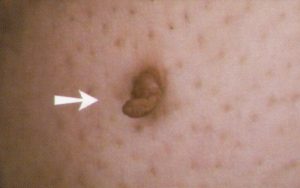
How does skin tag removal work at For the Love of Beauty?
Skin tag removal at For the Love of Beauty should start with a suitability check. Deborah looks at the area, listens to what has changed or bothered you, and decides whether the spot appears suitable for treatment in a beauty setting.
That judgement matters. Deborah has more than 30 years of beauty and skin treatment experience, and her Hornsby salon lists skin tags, flat skin tags, cherry angiomas, fibromas, capillaries, and other skin irregularities among face treatment concerns.
If the spot should be medically reviewed, the responsible next step is referral to a GP, skin cancer clinic, or dermatologist before cosmetic removal. This is not a delay for the sake of it. It is the correct path when a lesion needs a medical opinion.
If the area may be suitable, Deborah can explain the method used, the likely sensation, aftercare, and what the treated area may look like while it heals. Pricing is listed as individual, with a free consultation available, but the exact method should be confirmed with Deborah before publication.
What you should not do is cut, pick, burn, or tie off a skin tag at home. Home removal can cause bleeding, infection, irritation, or scarring. It can also mean a spot that was never a skin tag goes unchecked.
What does healing look like after removal?
Healing depends on the treatment method, the area treated, the size of the spot, and your skin type. The treated area may look red, darker, lightly crusted, or a little irritated at first. That early look is not always the final appearance.
The basic aftercare is usually simple, but it should be followed closely. You may be asked to keep the area clean, avoid picking, pause active skincare around the area, and keep the treated skin away from unnecessary friction while it settles.
- Face, neck, and chest: Sun exposure can affect the way healing skin looks, so these areas often need careful sun protection.
- Underarm and bra-line areas: Friction from clothing, shaving, and sweat can make aftercare more important.
- Eyelid or lip-adjacent areas: These need extra caution because the skin is delicate and the area is sensitive.
- Larger or raised spots: These may take longer to settle than a tiny, soft tag.
No article should promise no scarring or a same-day cosmetic finish. Good aftercare reduces avoidable irritation, but skin healing is individual. Deborah should confirm the exact aftercare and expected healing time for the method she uses.
When is a beauty clinic not the right place?
A beauty clinic is not the right place when the main question is medical, not cosmetic. Moles, pigmented lesions, inflamed spots, non-healing areas, or anything changing over time need a medical check before removal is discussed.
A stable skin tag can still be annoying. It may catch on a necklace, twist under clothing, or sit somewhere visible. Wanting it removed is reasonable. The safety issue is making sure it belongs in a beauty setting.
For the Love of Beauty should not be positioned as diagnosing skin cancer, melanoma, or other medical conditions. The safe role is treatment suitability. If Deborah is unsure, the correct answer is to refer you out rather than treat.
How much does skin tag removal cost?
Skin tag removal cost is usually based on the individual spot or area, rather than a flat price that applies to everyone. The For the Love of Beauty face treatments page currently says pricing is individual and that a free consultation is available.
Cost may depend on:
- how many skin tags or irregularities need assessment
- the size and location of each spot
- the method used
- whether the area is sensitive or harder to access
- whether more than one appointment is needed
- whether a medical check is needed before treatment.
Do not assume someone else’s price will apply to you. A clear photo and a short note about timing can help Deborah decide whether you should book a consultation or get a medical check first.
Frequently asked questions
Can I remove a skin tag at home?
Do not cut, tie off, burn, or pick at a skin tag at home. You may cause bleeding, infection, irritation, or scarring. The spot may also not be a skin tag. A new or uncertain spot should be checked properly.
Does skin tag removal hurt?
Sensation depends on the method used, the area treated, and your own sensitivity. Many small cosmetic procedures feel quick rather than painful, but the exact sensation should be explained before treatment. Deborah should confirm whether any comfort measures are used.
Will the skin tag come back?
A treated tag may not return in the same way, but new skin tags can form in nearby areas over time. Skin tags are often linked with rubbing and skin folds, so a single removal does not stop your skin from developing new ones later.
Can skin tags be removed from the face or eyelid area?
Some facial areas may be suitable for cosmetic assessment, but eyelid and lip-adjacent areas need more caution. For the Love of Beauty should confirm which areas Deborah treats and which areas are excluded or need medical review first.
Do I need a GP check before skin tag removal?
You should get a GP, skin cancer clinic, or dermatologist check first if the spot is new, changing, dark, uneven, bleeding, crusting, sore, or not healing. If the tag is soft, stable, and has been present for some time, it may be suitable for cosmetic assessment.
How many skin tags can be treated in one appointment?
That depends on the number, size, location, and method used. It is better to ask at consultation than to assume all spots can be treated at once. Sensitive areas or larger areas may need a more cautious plan.
Book a skin tag removal consultation in Hornsby
Before you enquire, take a clear photo in good light and note how long the spot has been there. If it has changed, bled, crusted, become painful, or failed to heal, book a medical skin check first.
For stable tags and cosmetic skin irregularities, For the Love of Beauty in Hornsby can assess whether the area may be suitable and explain the likely process, aftercare, and pricing. The safest appointment starts with the right question: should this be removed cosmetically, or checked medically first?