
Further Reading

Bio-microneedling or skin needling: which one suits your skin right now?
Two treatments, almost the same name, sitting next to each other on the one menu. They are not the same thing, and the difference is depth. Our new guide sets out which complaints each one can reach, what the week afterwards asks of you, and how thin the evidence still is on the newer one.

Eyebrow tattoo gone grey or too dark: correct it, remove it, or wait it out?
Grey-blue brows, or brows that came out heavier than you agreed to, have three ways out, and only one of them is usually right for you. Our new post sets out colour correction, removal and waiting. It includes where laser is the better call, and the one risk it carries that belongs to cosmetic pigment.
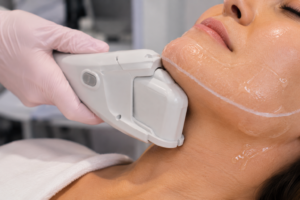
What is HIFU, and how does it tighten skin?
HIFU stands for high intensity focused ultrasound. What it does under the skin, what it treats, what a session feels like, and who it is not for.
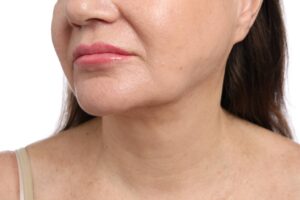
HIFU for a sagging jawline, jowls and neck: what it can and can’t lift
HIFU by age, best age for HIFU; HIFU in your 40s / 50s / 60s, too young or too old for HIFU, HIFU prevention vs correction, Uncontested age-suitability longtails, no tracked volume, foundational-content play.
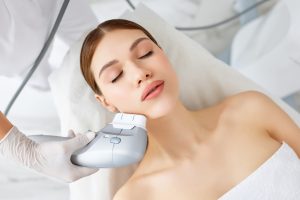
Is HIFU worth it at your age? What to expect in your 40s, 50s and 60s
HIFU by age, best age for HIFU; HIFU in your 40s / 50s / 60s, too young or too old for HIFU, HIFU prevention vs correction, Uncontested age-suitability longtails, no tracked volume, foundational-content play.
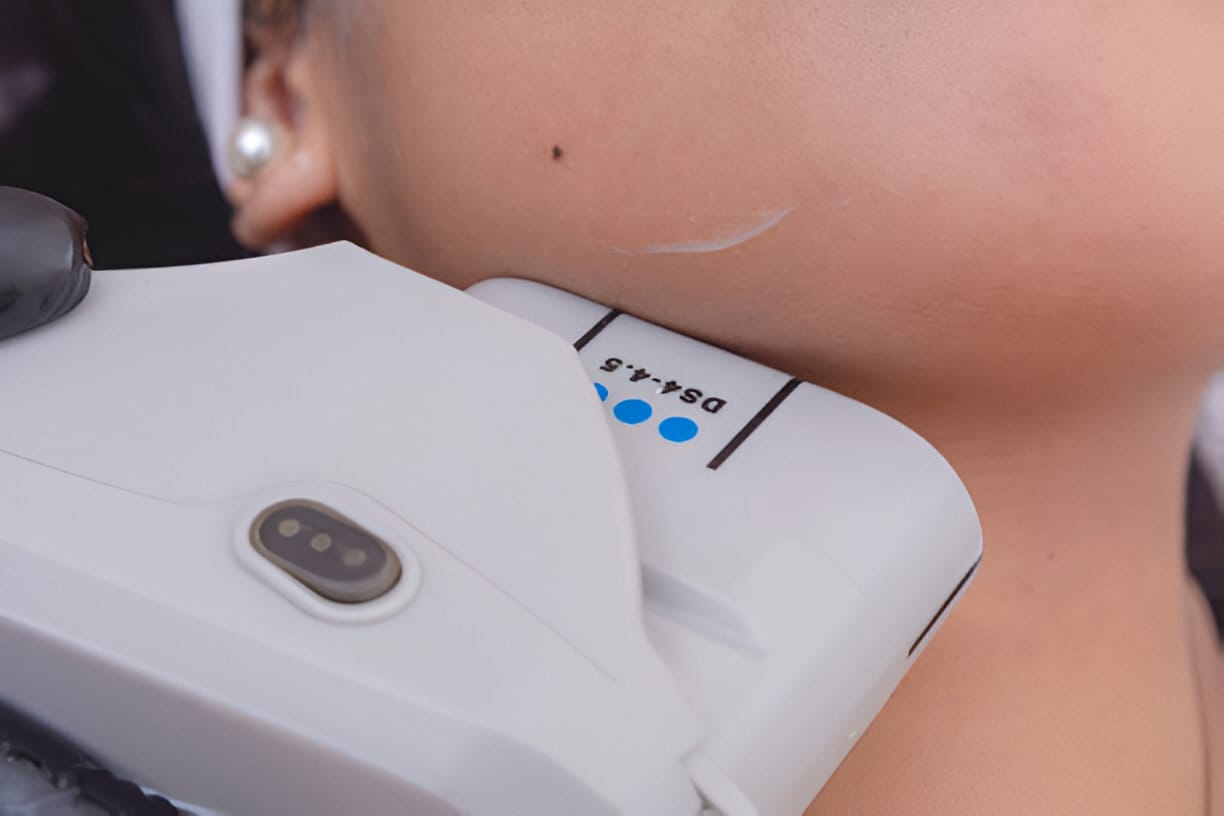
HIFU for jawline, neck and jowls: realistic results
Compare plasma skin tightening and HIFU for laxity, eyelids, jawline, downtime, healing, and realistic treatment fit.
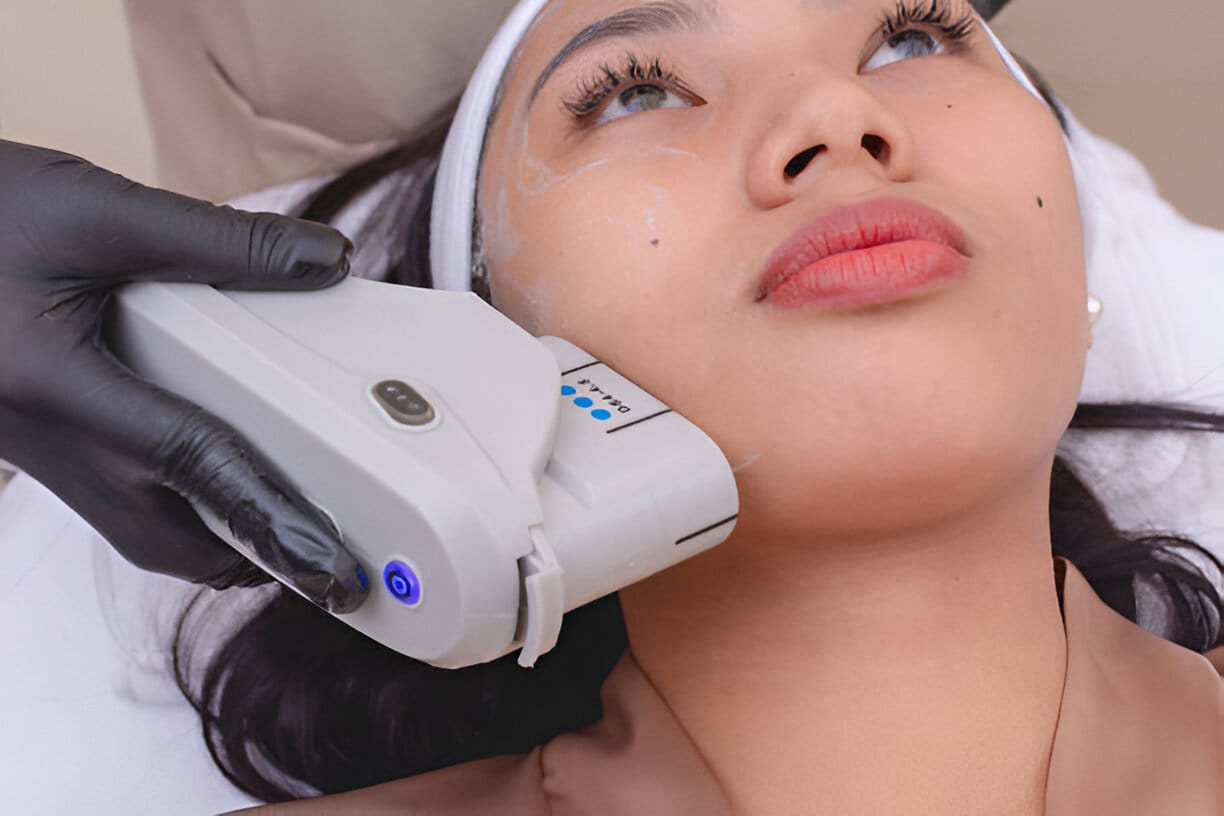
Plasma skin tightening vs HIFU: which fits the concern?
Compare plasma skin tightening and HIFU for laxity, eyelids, jawline, downtime, healing, and realistic treatment fit.
Skin tag removal: what to know before booking
Body sugaring is often seen as an alternative hair removal method, but many clients use it long term. This article explains why.
Eyebrow tattoo – styles, what to expect, and how to choose the right look
Body sugaring is often seen as an alternative hair removal method, but many clients use it long term. This article explains why.
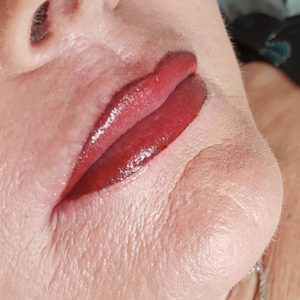
Lip tattoo explained – what to expect, healing, and how long it lasts
Body sugaring is often seen as an alternative hair removal method, but many clients use it long term. This article explains why.
Choosing the Right Hair Removal Method for Fine or Light Hair
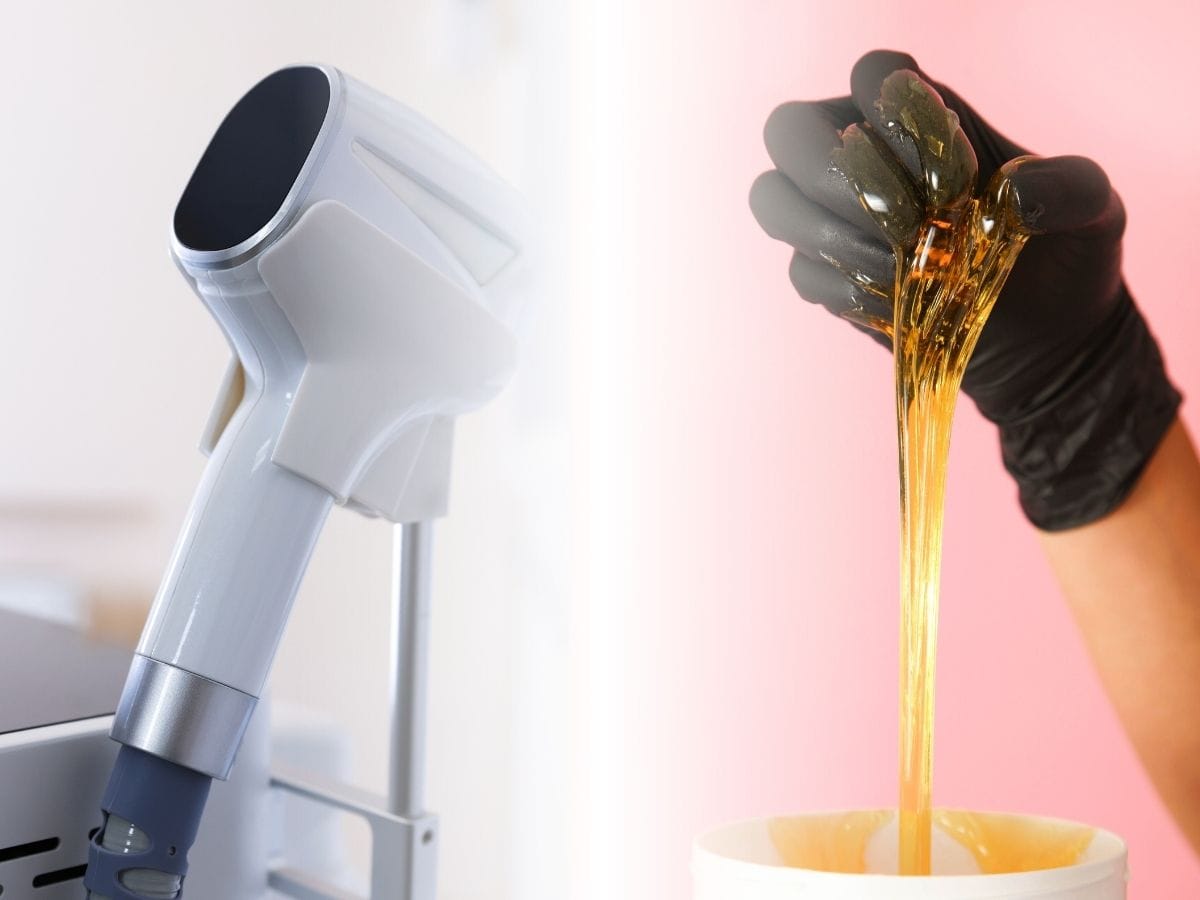
For people with fine or light hair, finding the right hair removal method can be tricky. Many clients wonder why laser or IPL treatments don’t deliver the same results they see in darker hair types, and whether alternatives like sugaring or waxing might be better suited. This article breaks down the pros and cons of different methods—helping you make an informed choice for your skin and hair type.
Why Laser Hair Removal Isn’t Always Effective on Light Hair
Laser hair removal clinics often explain that the technology works by targeting pigment (melanin) in the hair follicle. Darker hair absorbs the laser energy effectively, destroying the follicle and reducing regrowth.
With hair removal for light hair, however, there’s much less pigment for the laser to target. Blonde, red, or grey hairs often don’t absorb enough energy to achieve lasting results. While advanced lasers and multiple sessions can sometimes help, results may be inconsistent compared with those seen in people with coarse, dark hair.
This doesn’t mean you can’t try laser hair removal if you have fair hair—it just means expectations need to be realistic, and sometimes a combination approach is recommended.
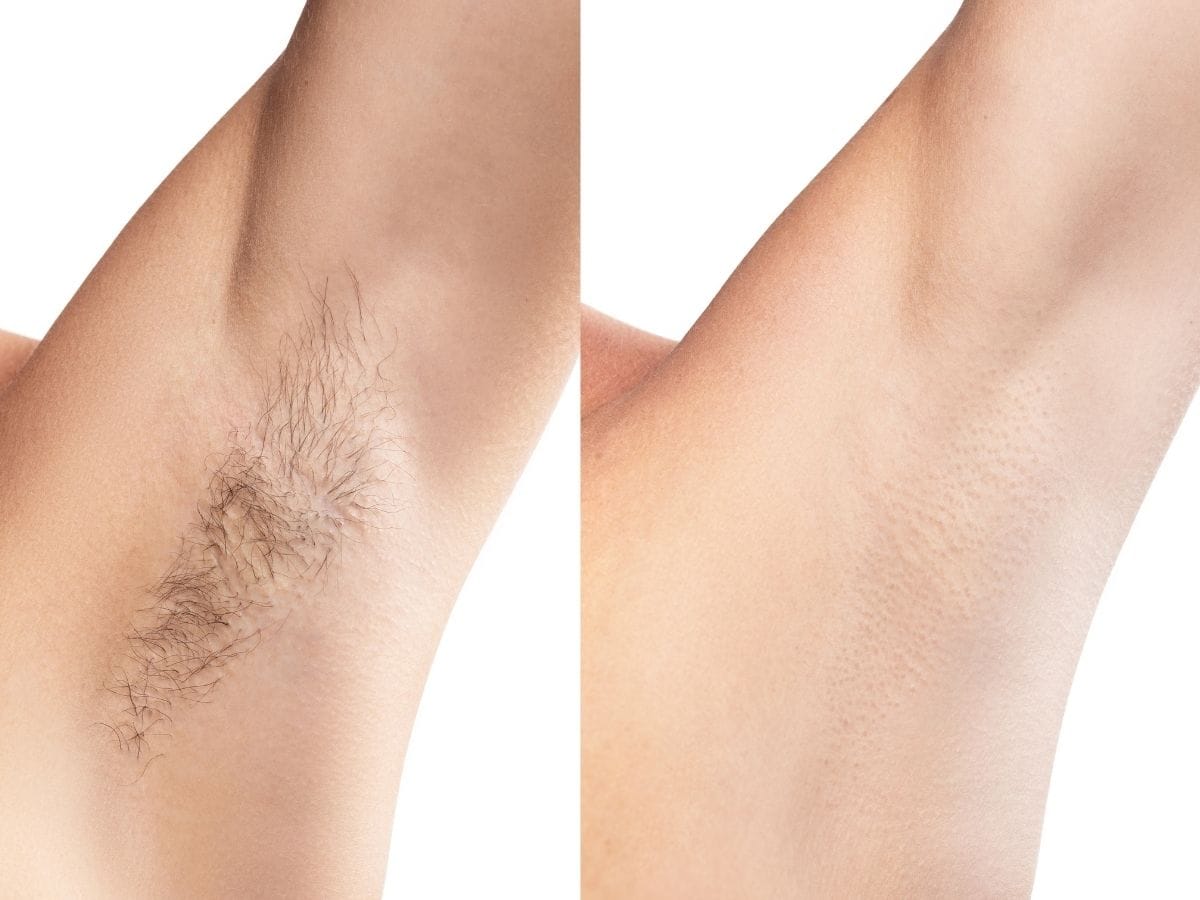
Sugar Waxing vs Laser: A Different Approach
When clients ask about sugar waxing vs laser, the answer depends on goals and hair type.
- Laser hair removal offers long-term reduction but works best on dark, coarse hair. For fine or light hair, effectiveness is lower, but some improvement is possible.
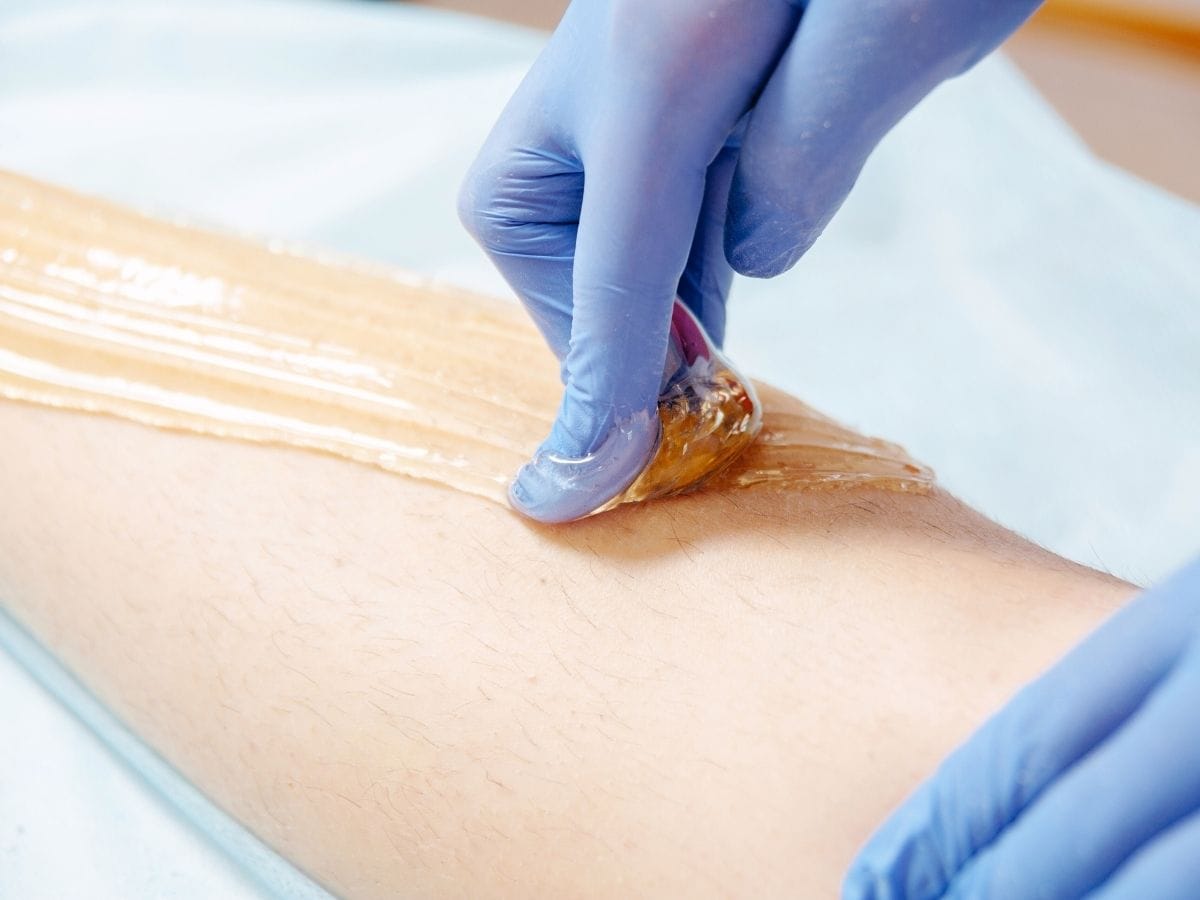
- Sugar waxing (or sugaring) removes hair at the root using a paste made from sugar, lemon, and water. It’s completely chemical-free, making it ideal for sensitive skin. Unlike laser, it doesn’t rely on pigment—so it works equally well on light, blonde, or fine hairs.
While sugar waxing doesn’t provide permanent reduction, regular treatments can weaken follicles over time, leading to softer, sparser regrowth. For clients weighing sugar waxing vs laser, it often comes down to whether they prefer a natural, universal solution (sugaring) or want to invest in the potential long-term benefits of laser.
The Rise of Body Sugaring in Sydney
In recent years, body sugaring treatments have grown in popularity. Many people prefer it over traditional waxing because the paste is less harsh, adheres only to hair (not live skin), and can be applied at a lower temperature. This means less irritation and less risk of burns—an important factor for those with sensitive or reactive skin.
For people with hair removal for light hair, body sugaring has become a reliable go-to because it delivers smooth results regardless of hair colour. Plus, it’s biodegradable and eco-friendly, which appeals to clients seeking sustainable beauty treatments.
Making the Right Choice for Your Skin and Hair
When choosing between laser hair removal, body sugaring, or other methods, consider:
- Hair colour and thickness: Laser is best for dark, coarse hair. Sugaring or waxing are more effective for fine or light hair.
- Skin sensitivity: Sensitive skin types often respond better to sugaring than to traditional hot wax or repeated laser exposure.
- Desired results: If you want the possibility of long-term reduction, laser may be worth trying—even if outcomes are mixed. If you prefer guaranteed removal regardless of colour, sugaring is a dependable choice.
Final Thoughts
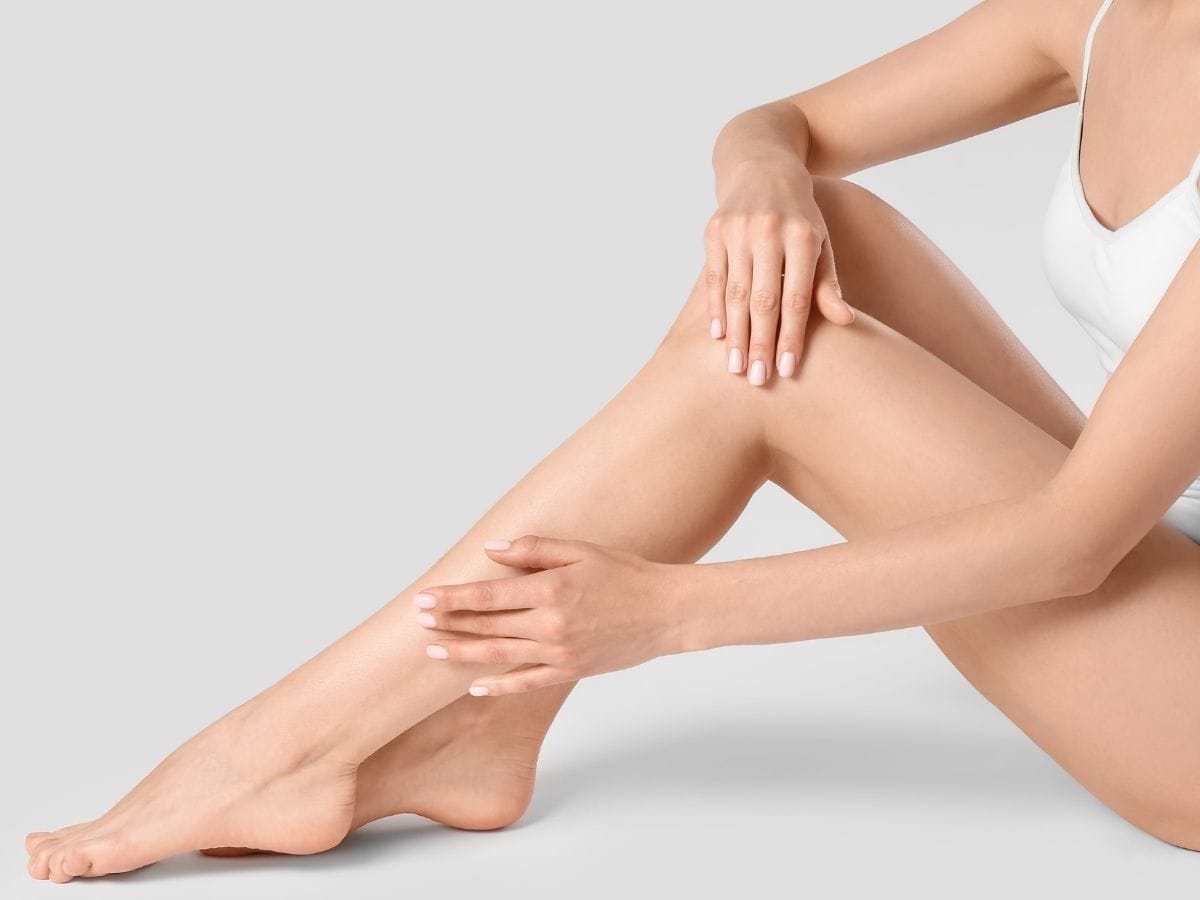
There’s no one “best” method for everyone. While laser and IPL are powerful technologies, they’re not always ideal for fine or light hair. Alternatives like body sugaring offer a safe, natural option that works for all hair types, while sugar waxing vs laser comparisons show that the right choice often depends on your unique goals and skin profile.
Whether you book laser hair removal sessions or explore sugaring, the most important step is to consult with an experienced practitioner who understands your skin and hair type. With the right advice, you can choose a method that balances results, comfort, and safety.