

Further Reading

Bio-microneedling or skin needling: which one suits your skin right now?
Two treatments, almost the same name, sitting next to each other on the one menu. They are not the same thing, and the difference is depth. Our new guide sets out which complaints each one can reach, what the week afterwards asks of you, and how thin the evidence still is on the newer one.
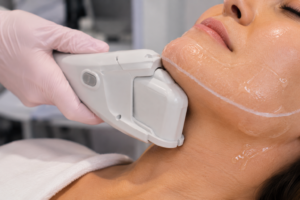
What is HIFU, and how does it tighten skin?
HIFU stands for high intensity focused ultrasound. What it does under the skin, what it treats, what a session feels like, and who it is not for.
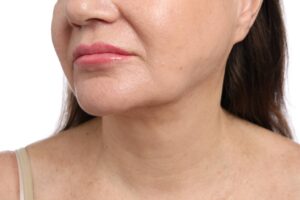
HIFU for a sagging jawline, jowls and neck: what it can and can’t lift
HIFU by age, best age for HIFU; HIFU in your 40s / 50s / 60s, too young or too old for HIFU, HIFU prevention vs correction, Uncontested age-suitability longtails, no tracked volume, foundational-content play.
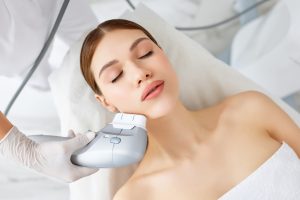
Is HIFU worth it at your age? What to expect in your 40s, 50s and 60s
HIFU by age, best age for HIFU; HIFU in your 40s / 50s / 60s, too young or too old for HIFU, HIFU prevention vs correction, Uncontested age-suitability longtails, no tracked volume, foundational-content play.
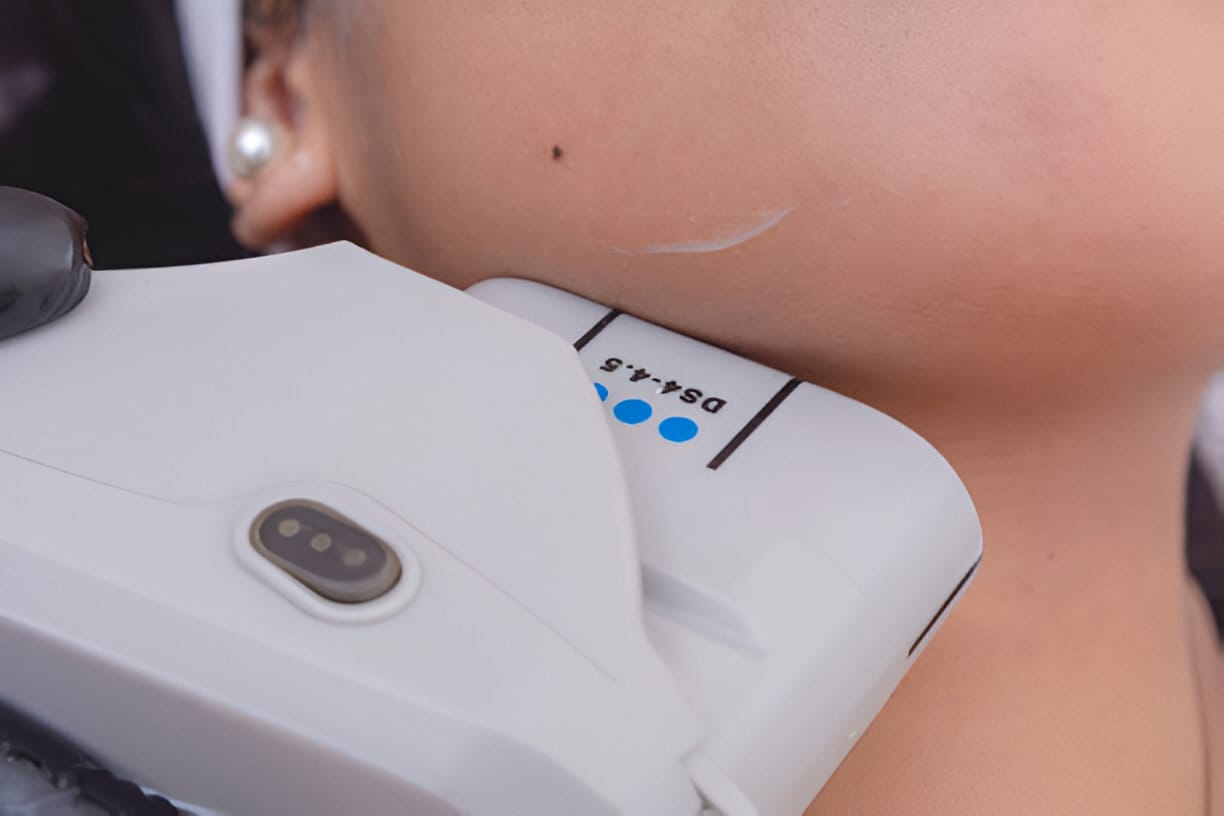
HIFU for jawline, neck and jowls: realistic results
Compare plasma skin tightening and HIFU for laxity, eyelids, jawline, downtime, healing, and realistic treatment fit.
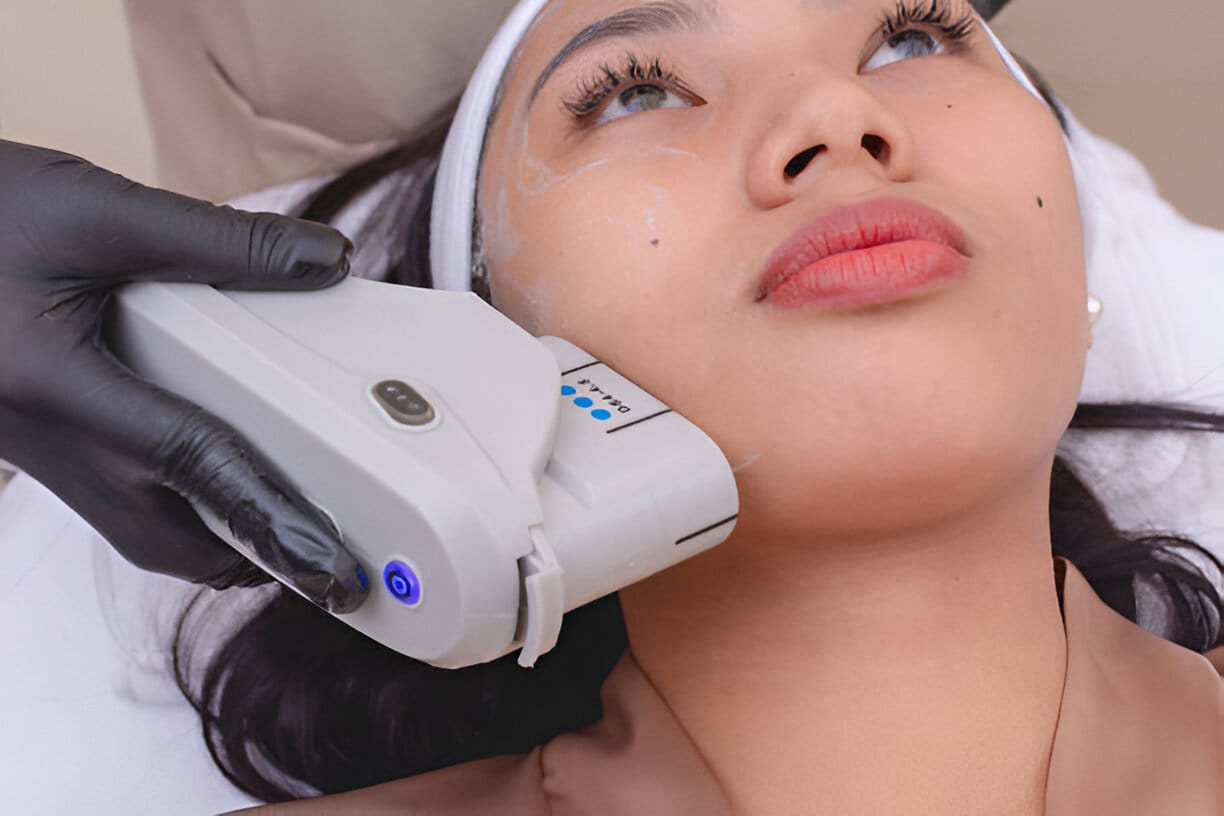
Plasma skin tightening vs HIFU: which fits the concern?
Compare plasma skin tightening and HIFU for laxity, eyelids, jawline, downtime, healing, and realistic treatment fit.
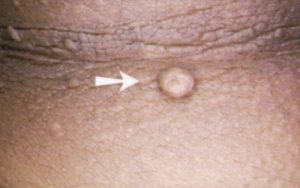
Skin tag removal: what to know before booking
Body sugaring is often seen as an alternative hair removal method, but many clients use it long term. This article explains why.
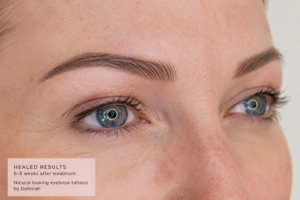
Eyebrow tattoo – styles, what to expect, and how to choose the right look
Body sugaring is often seen as an alternative hair removal method, but many clients use it long term. This article explains why.
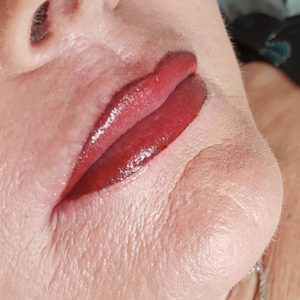
Lip tattoo explained – what to expect, healing, and how long it lasts
Body sugaring is often seen as an alternative hair removal method, but many clients use it long term. This article explains why.

Do Clients Stick With Body Sugaring Long Term?
Body sugaring is often seen as an alternative hair removal method, but many clients use it long term. This article explains why.
Eyebrow tattoo gone grey or too dark: correct it, remove it, or wait it out?

You are looking at brows that have turned grey or blue, or come out heavier and darker than you agreed to. There are three ways out of an eyebrow tattoo you are unhappy with. You can colour correct it, laying a neutralising tone over the pigment already in your skin. You can lighten or remove that pigment first, then start again. Or you can leave it to fade. Which one is yours comes down to shape and saturation, meaning how much pigment is in the skin, not colour alone. If the shape is right and only the tone has shifted, correction is the shorter road. If the shape sits outside your natural brow line, or the pigment is dense, it has to come out first.
Why an eyebrow tattoo turns grey, blue or reddish
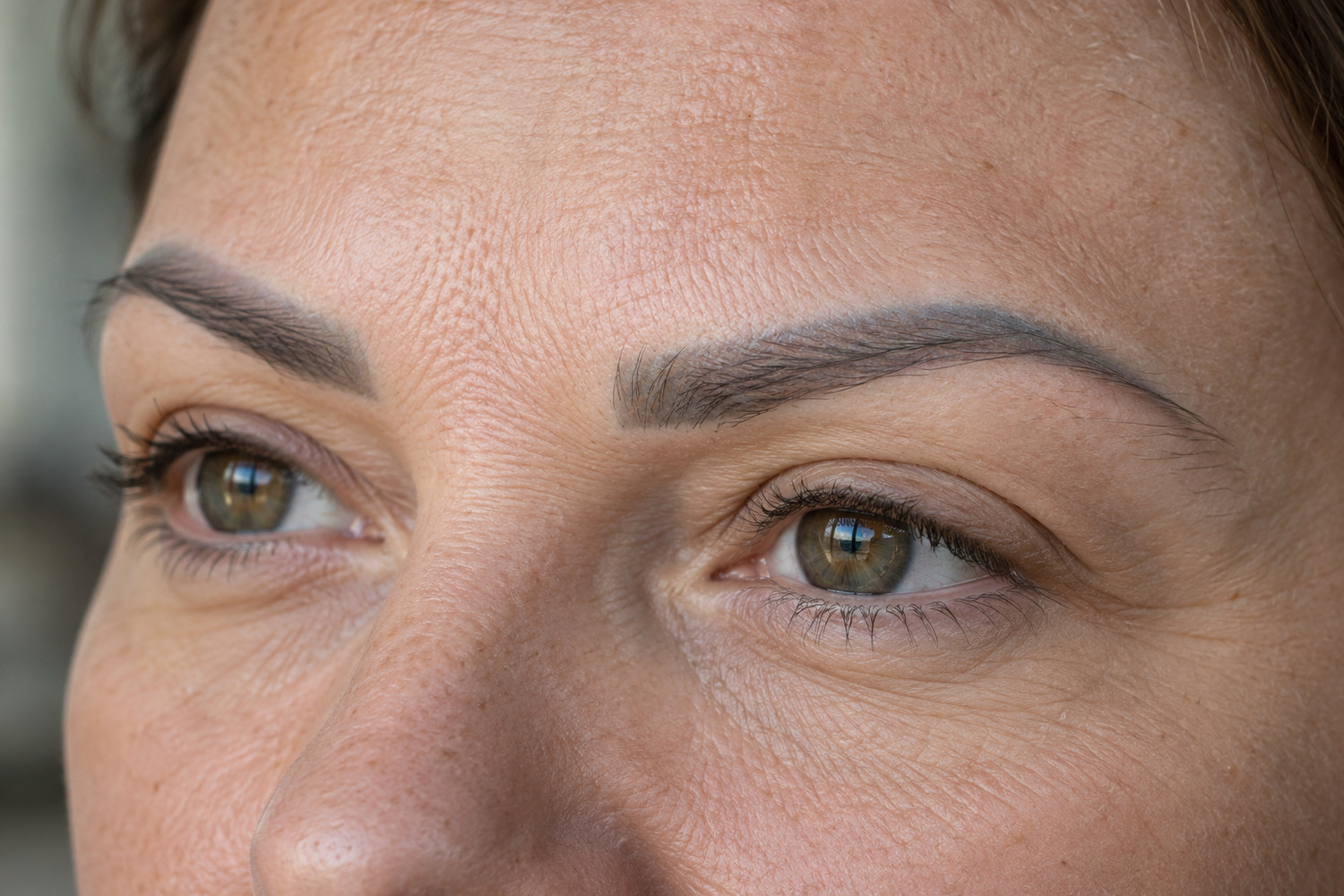
Tattoo pigment is a blend, and the parts of that blend do not break down at the same rate. The warm tones go first, leaving the cooler base showing through as grey, blue or ash. Pigments built on iron oxide can go the other way and warm up to reddish. A tone problem is also a different problem from a shape problem. Colour can be changed. An outline can only be added to or taken away. What drives the speed of it is covered in our post on why cosmetic tattoos fade.
Can a bad eyebrow tattoo be colour corrected?
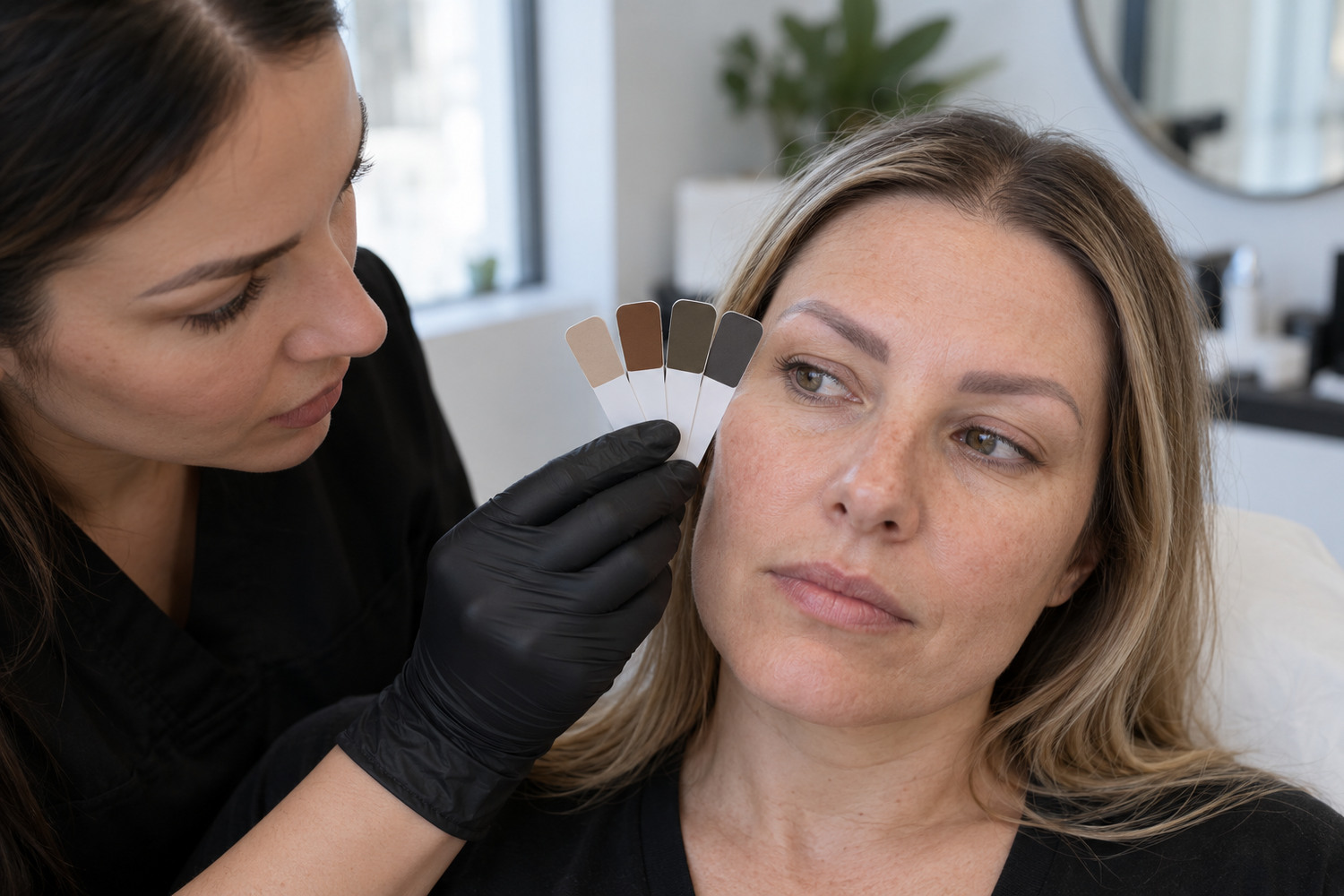
Colour correction lays a neutralising tone over the existing pigment to cancel the unwanted colour. It works when the shape is right and the tone is the only thing wrong.
It has one hard limit. Correction adds pigment to skin that already holds pigment. Nothing comes out. Every layer makes the next harder to predict, because the new tone has to work with what is underneath. That is why a second artist reads what is in your skin before adding to it. A brow corrected twice already is usually a removal case, not a third correction.
Where the skin can still take it, new colour and a new shape go over old work that is breaking up. That is what cosmetic tattoo colour correction does.
When the tattoo has to come off before anything else
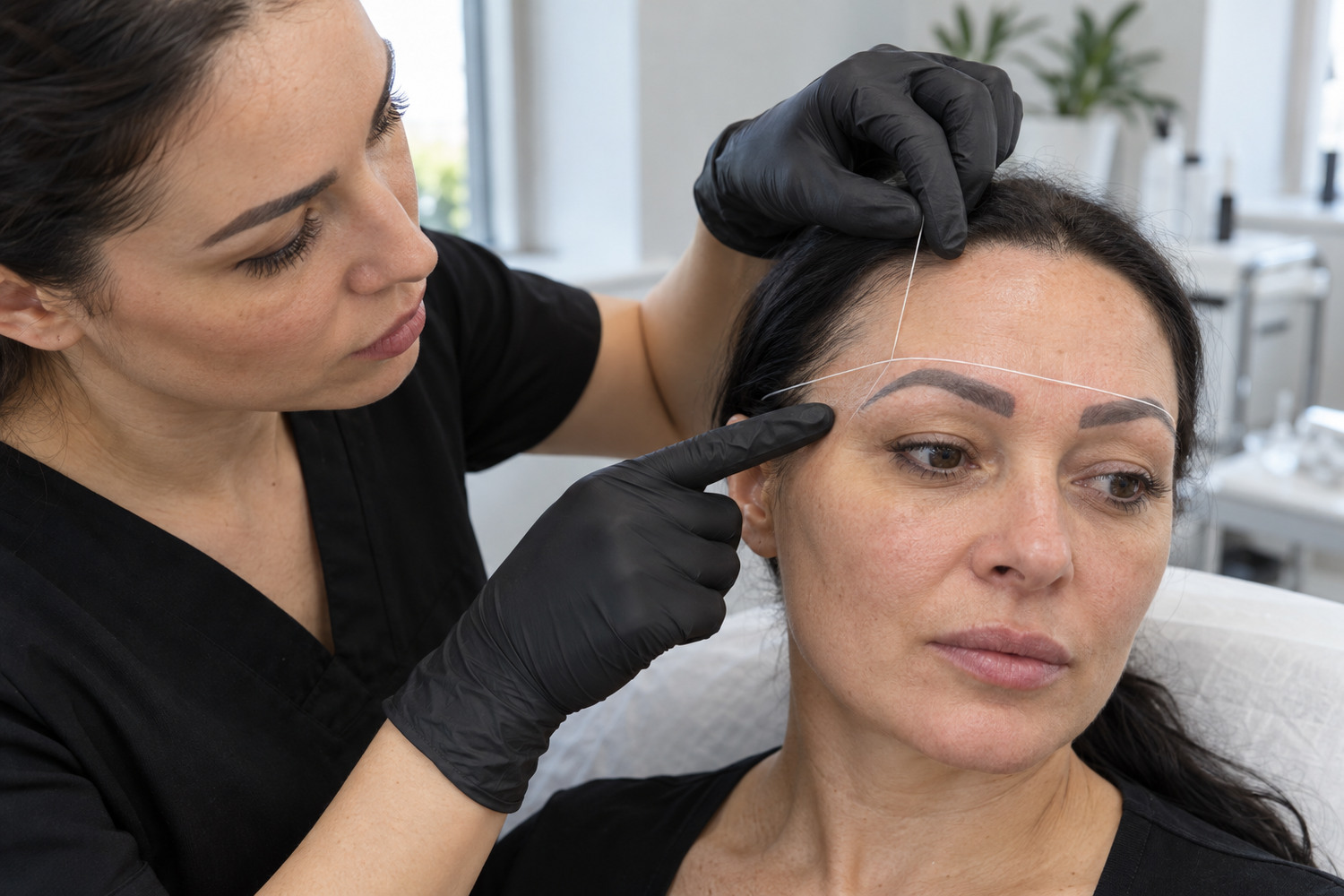
Some brows cannot be corrected, and the reason is almost always shape or density. Removal has to come first in three cases. The shape sits outside your natural brow line. The pigment is too dense for a neutralising tone to cancel. Or too many layers are already in the skin.
Shape is the hardest of those to judge in your own mirror. A tail that drops too low cannot be fixed by adding colour. Correction changes the tone of a line. It does not move the line. Where the shape was mapped wrong at the start, our guide to eyebrow tattoo styles and how to choose the right look explains what that mapping should have done.
How eyebrow tattoo pigment is removed: laser, saline and lactic acid
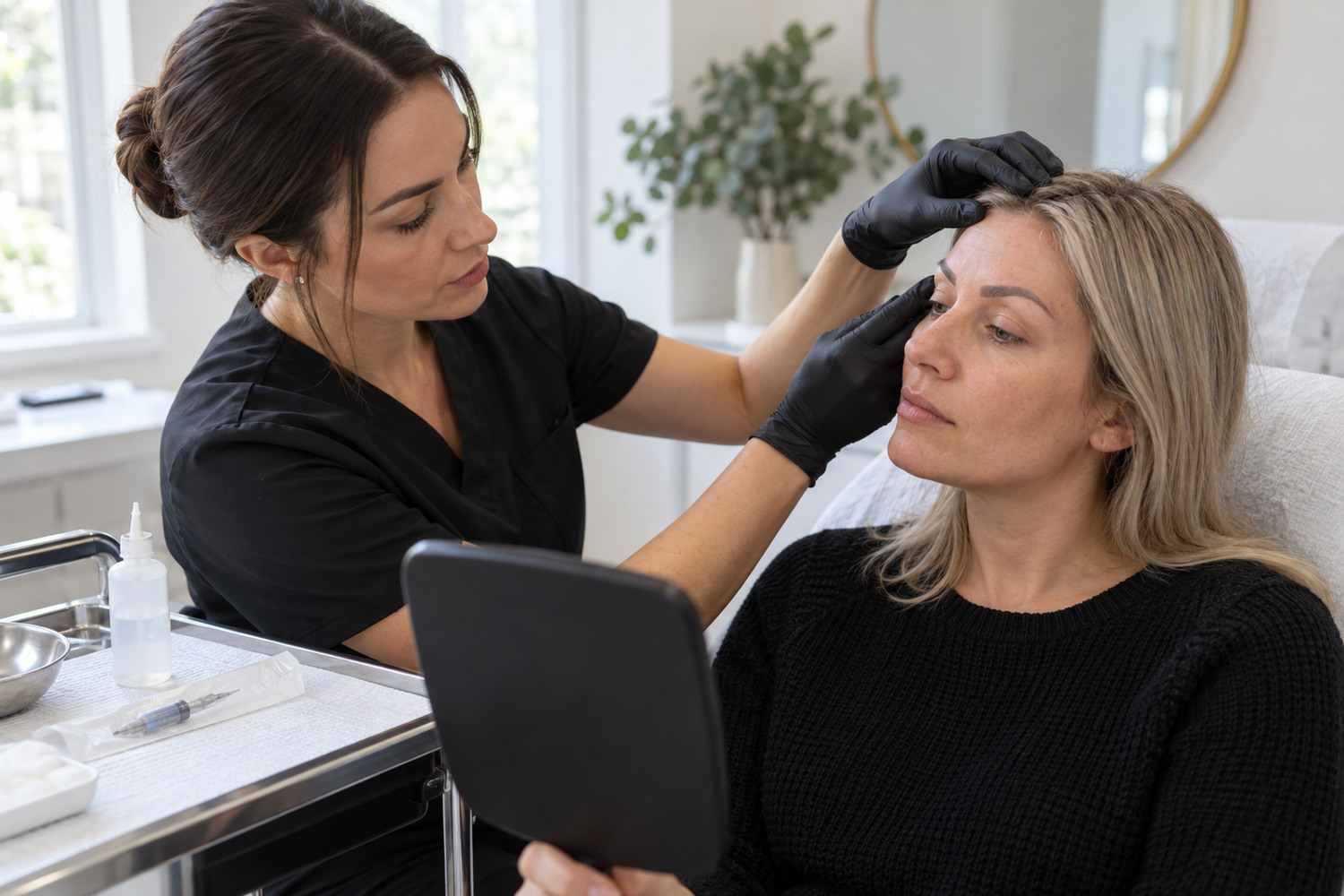
Three methods take pigment out of a brow, and they work very differently.
Laser breaks the pigment into fragments small enough for your body to carry away. It is the strongest option on dense, deeply placed or heavily layered work. It also carries one risk specific to cosmetic pigment. Many cosmetic pigments contain iron oxide or titanium dioxide. A 2023 chart review in the Journal of Clinical and Aesthetic Dermatology sets out what laser can do to them: paradoxical darkening is due to the irreversible reduction of ferric oxide or titanium dioxide to ferrous oxide (jet black) or titanium oxide (dark violet). The brow goes darker instead of lighter.
No eyeliner or eyebrow case in that clinic’s own series involved paradoxical darkening. Treat it as a known risk of cosmetic pigment rather than a likely outcome, and as the reason a test patch matters first. The same paper reports a mean of 2.8 laser treatments, with a range of one to twelve. That is one New York clinic’s series, not an Australian average.
Saline removal tattoos a salt based solution into the same area, drawing pigment up and out through a scab as the skin heals. Lactic acid removal does the same job with a diluted acid solution. Neither uses light, so the darkening above does not apply. Both are slower than laser and need full healing between rounds. Both depend on the pigment’s depth, age and type, which is why nobody can give you a session count in advance.
All three disturb skin that has been tattooed once already, and your brow hairs grow through it, so all three carry some risk of scarring or thinning there.
The lactic acid method is the one offered in Hornsby, and the detail sits on the Skinial tattoo removal page. Laser is not offered here. If your brow is dense, deep or heavily layered, laser is the better tool, and you should go to a clinic that has one.
How long the whole process takes

Nobody can give you a date, and anyone offering a same-week fix is guessing at what your skin will do. Skin has to heal fully between sessions before the colour can be judged, and that is measured in weeks rather than days. Correction takes fewer visits than removal. Removal followed by fresh work is the longest of the three roads.
Waiting is a real option, and the one nobody sells you. If the shape is right, the work is old and the colour is already breaking up, another year of fading leaves you a better surface and costs nothing. It is the wrong choice if the shape is wrong, because time does not move a line.
Lip pigment is a different subject, covered in our post on how a lip tattoo heals and how long it lasts.
What to do before you book anything
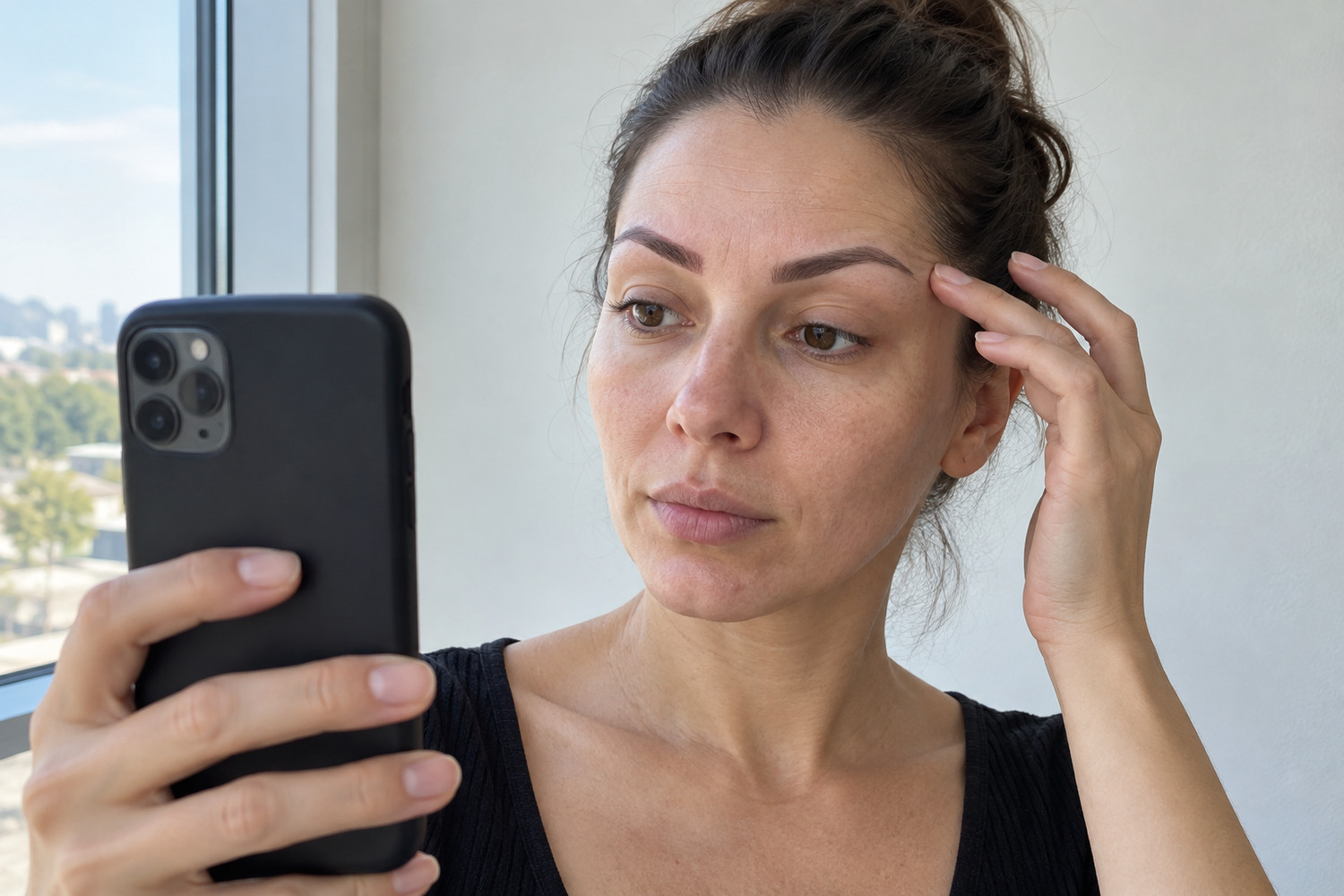
Three things are worth doing before you speak to anybody, and none of them costs a cent.
Saturation is the one thing you cannot judge from home. It has to be seen in person.
- Photograph your brows in daylight, against a plain wall, with no makeup on. Bathroom and salon lighting both shift colour, and a grey brow can read as soft brown under a warm globe.
- Find out what was used on you and when, if the original studio will tell you. The pigment, the date and the session count all change what is possible.
- Check that whoever you see is registered. Cosmetic tattooing is a skin penetration procedure in New South Wales, under the Public Health Act 2010 and the Public Health Regulation 2022. NSW Health states that businesses carrying out skin penetration must be registered with the local council and have all necessary approvals before opening. You are allowed to ask.
If you want to know which route is yours, book a cosmetic tattoo assessment with For the Love of Beauty through the contact page. It is a consultation rather than a treatment. The pigment is looked at in daylight, the shape is measured against your natural brow line, and you leave knowing which routes are open to you.
Frequently asked questions
Will my eyebrow tattoo fade on its own if I wait?
The colour will keep changing, because the pigment blend carries on breaking down. The shape will not. Waiting suits a brow with the right outline and the wrong tone.
Is laser safe on eyebrow tattoos?
It is used on them routinely, and it is the strongest option on heavy pigment. Cosmetic pigments can hold metal compounds that darken under laser, so a small test area first shows how yours behaves.
What happens if I go to a different artist to fix someone else’s work?
They start by reading what is in your skin, not by drawing you a new brow. Depth, density and the number of earlier layers limit what can go over the top. Expect questions about the original work first.
Does removal leave a scar or a bald patch in the brow?
It can, and an honest answer has to say so. Any method disturbs skin that has been tattooed once already, and your brow hairs grow through it. That is why the answer turns on your pigment rather than the method.