
Further Reading

Bio-microneedling or skin needling: which one suits your skin right now?
Two treatments, almost the same name, sitting next to each other on the one menu. They are not the same thing, and the difference is depth. Our new guide sets out which complaints each one can reach, what the week afterwards asks of you, and how thin the evidence still is on the newer one.

Eyebrow tattoo gone grey or too dark: correct it, remove it, or wait it out?
Grey-blue brows, or brows that came out heavier than you agreed to, have three ways out, and only one of them is usually right for you. Our new post sets out colour correction, removal and waiting. It includes where laser is the better call, and the one risk it carries that belongs to cosmetic pigment.
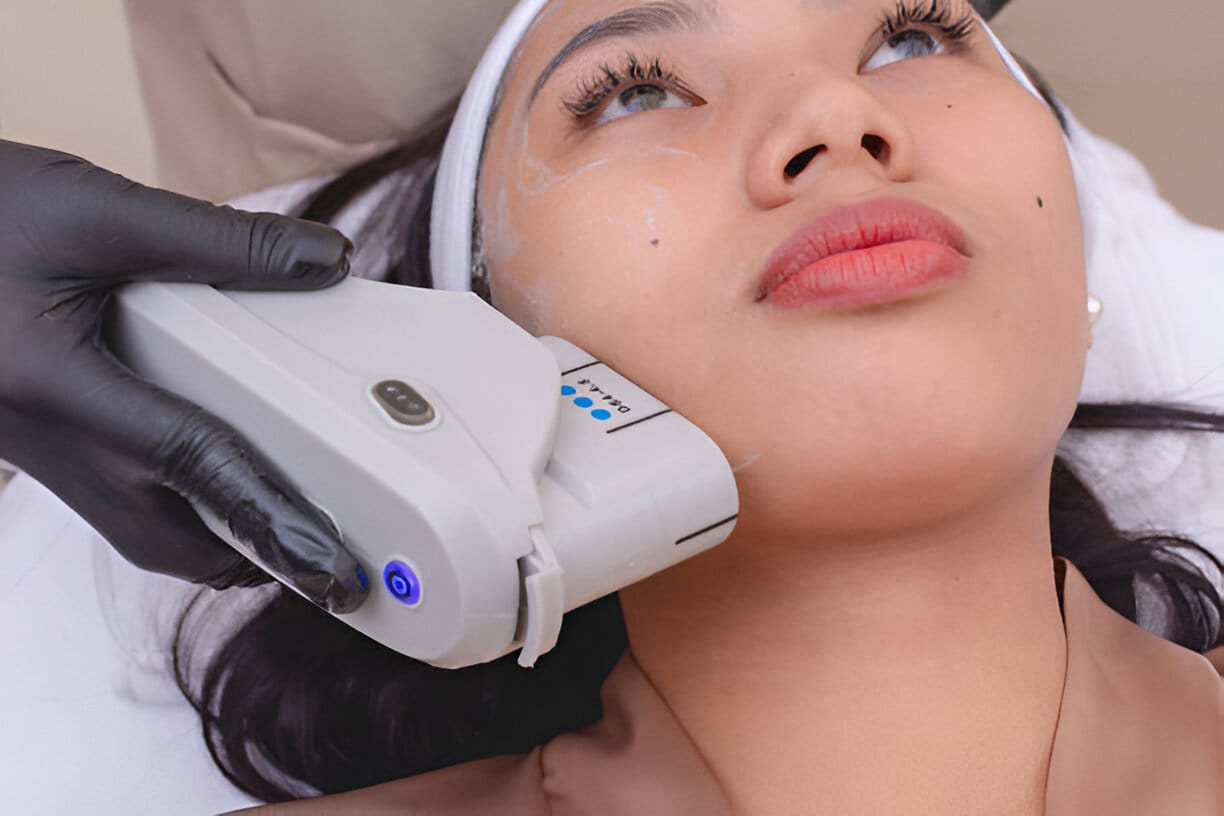
What is HIFU, and how does it tighten skin?
HIFU stands for high intensity focused ultrasound. What it does under the skin, what it treats, what a session feels like, and who it is not for.
HIFU for a sagging jawline, jowls and neck: what it can and can’t lift
HIFU by age, best age for HIFU; HIFU in your 40s / 50s / 60s, too young or too old for HIFU, HIFU prevention vs correction, Uncontested age-suitability longtails, no tracked volume, foundational-content play.
Is HIFU worth it at your age? What to expect in your 40s, 50s and 60s
HIFU by age, best age for HIFU; HIFU in your 40s / 50s / 60s, too young or too old for HIFU, HIFU prevention vs correction, Uncontested age-suitability longtails, no tracked volume, foundational-content play.
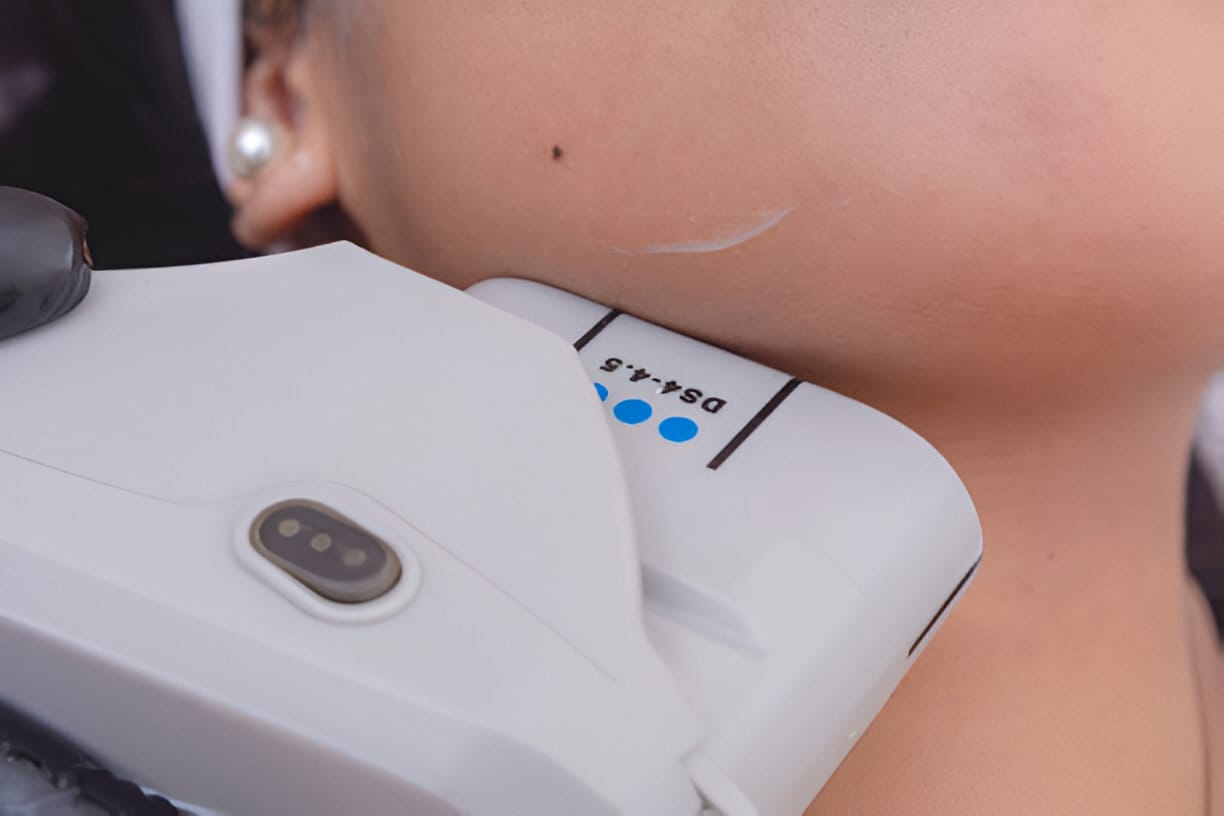
HIFU for jawline, neck and jowls: realistic results
Compare plasma skin tightening and HIFU for laxity, eyelids, jawline, downtime, healing, and realistic treatment fit.
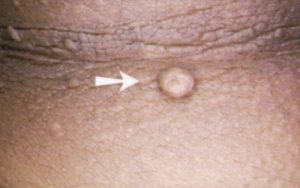
Skin tag removal: what to know before booking
Body sugaring is often seen as an alternative hair removal method, but many clients use it long term. This article explains why.
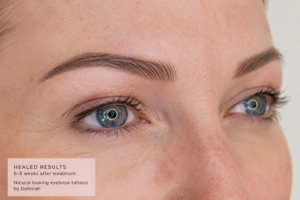
Eyebrow tattoo – styles, what to expect, and how to choose the right look
Body sugaring is often seen as an alternative hair removal method, but many clients use it long term. This article explains why.
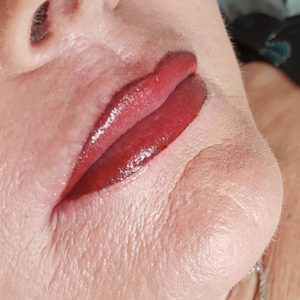
Lip tattoo explained – what to expect, healing, and how long it lasts
Body sugaring is often seen as an alternative hair removal method, but many clients use it long term. This article explains why.
Do Clients Stick With Body Sugaring Long Term?
Body sugaring is often seen as an alternative hair removal method, but many clients use it long term. This article explains why.
Plasma skin tightening vs HIFU: which fits the concern?
Plasma skin tightening and HIFU are not interchangeable. HIFU works below the skin with focused ultrasound energy, while plasma fibroblasting works on the skin surface with small plasma points. The better choice depends on the concern, treatment area, downtime tolerance, healing response, and whether the main issue is deeper laxity or surface-level crepiness.
At For the Love of Beauty in Hornsby, Deborah compares these treatments by looking at the skin in front of her, not just the treatment name a client has searched online. A person asking about the jawline may need a different option from someone asking about eyelid crepiness, even if both describe the concern as loose skin.
This article is a decision guide. It does not replace a consultation, and it should not be read as a promise that either treatment will suit every face, skin type, or expectation.
What is the difference between plasma skin tightening and HIFU?
Plasma skin tightening, often called fibroblasting, works by creating tiny controlled points on the skin surface. HIFU, or high-intensity focused ultrasound, sends ultrasound energy into deeper layers without making surface dots.
| Treatment | Where it works | Common concerns | Downtime | Visible marks | Best question to ask before booking |
|---|---|---|---|---|---|
| HIFU | Below the surface, at selected tissue depths. | Lower-face softening, early jowls, jawline, neck laxity, under-chin firmness. | Usually little visible downtime. | Usually no surface dots. | Is my concern deeper laxity or contour softening? |
| Plasma fibroblasting | On the skin surface, using small plasma points. | Eyelid crepiness, fine lines around the mouth or eyes, small targeted areas. | More visible healing. | Small dots, crusting, swelling, or dryness while healing. | Can I plan around visible healing in this area? |
HIFU is usually more relevant when the concern is deeper laxity. That might mean the jawline looks softer, the lower face is beginning to sag, or the neck is starting to lose firmness.
Plasma fibroblasting is usually more relevant when the concern is local and surface-level. That might mean crepey eyelid skin, fine lines around the mouth, or a small area where controlled surface tightening is suitable.
Neither treatment is a surgical facelift. Neither treatment is right for every skin type, every level of loose skin, or every expectation.
When HIFU makes more sense
HIFU makes more sense when the main concern is mild to moderate laxity below the surface, especially through the lower face, jawline, neck, or under-chin area. It is often chosen by people who want a treatment that does not leave obvious surface dots.
A common question is: does HIFU work? The honest answer is that HIFU can be useful when the concern matches what the treatment can reasonably do. It is not an instant tightening treatment, and it does not give the same change as surgery. It works by using focused ultrasound energy below the surface, so the visible change depends on the skin response over time.
HIFU results are usually judged gradually. Some people notice an early firm feeling, but the more useful assessment is normally over the following weeks and months. This is why HIFU suits someone who can wait for a slower response rather than needing a quick surface change before an event.
Ask about HIFU if your concern sounds like this:
- Your lower face looks softer than it used to.
- Your jawline is less defined, but you do not have severe loose skin.
- Early jowls are starting to bother you.
- Your neck or under-chin area has mild laxity.
- You want minimal visible downtime.
- You understand that results build gradually and vary from person to person.
HIFU is not the right answer just because the word lifting appears in treatment marketing. A softer jawline, heavier skin, deeper folds, and skin texture can all look similar in photos, but they may need different treatment plans.
When plasma skin tightening makes more sense
Plasma skin tightening makes more sense when the concern is smaller, more targeted, and closer to the skin surface. A fibroblast treatment is not simply a lighter version of HIFU. It works differently and heals differently.
A plasma fibroblast treatment creates small points across the treatment area. Those points are part of the controlled surface response, so the treatment is more visible during healing. This is why it is often discussed for eyelid crepiness, fine lines near the eyes, fine lines around the mouth, and other localised wrinkles.
The trade-off is downtime. Plasma skin tightening may be worth asking about if the area is small enough, the concern is surface-level, and you can plan around crusting, swelling, dryness, or visible marks for several days.
Ask about fibroblast treatment if your concern sounds like this:
- The issue is a small, specific area rather than the whole lower face.
- The skin looks crepey rather than simply heavy.
- You are asking about eyelids, crow’s feet, lip lines, or a local wrinkle cluster.
- You can follow aftercare carefully.
- You can avoid sun exposure and social plans while the skin is healing.
- You are comfortable with a treatment that looks obvious before it settles.
The word fibroblast can be confusing because it is used to describe both the treatment and the cells involved in skin repair. In a beauty treatment context, plasma fibroblasting refers to the controlled plasma points made on the surface of the skin.
What neither treatment can promise
Neither HIFU nor plasma fibroblasting can promise the result shown in someone else’s before-and-after photo. Photos are useful for discussion, but they are not a guarantee.
The limits matter because many skin concerns overlap. A person may think they are looking at loose skin when the bigger issue is sun damage, redness, pigmentation, texture, volume loss, or deeper folds.
Neither treatment can promise:
- surgical-level tightening for severe loose skin
- the removal of deep folds
- the same result for every age or skin type
- an instant final result
- a permanent stop to the ageing process
- a result that exactly matches an online photo
- correction of pigmentation, redness, acne scarring, or texture when laxity is not the main issue
Before-and-after photos can also mislead without meaning to. Lighting, angle, timing, swelling, makeup, facial expression, and the number of sessions can all change how a result looks.
A good consultation should make the limits clear. Sometimes the answer is HIFU. Sometimes it is plasma fibroblasting. Sometimes it is skin needling, IPL, another treatment, or no treatment yet.
How downtime and healing differ
Downtime is one of the biggest practical differences between HIFU and plasma fibroblasting. HIFU usually has less visible downtime, while plasma fibroblasting usually has more obvious surface healing.
| Issue | HIFU | Plasma fibroblasting |
|---|---|---|
| Visible marks | Usually no surface dots. | Small dots and crusting are expected. |
| Swelling | Possible mild tenderness or swelling. | More likely, especially around eyelids. |
| Makeup and social plans | Often easier to return to normal plans. | Social plans may need to be delayed. |
| Sun exposure | Sun care still matters. | Sun avoidance and aftercare are very important while healing. |
| When results are judged | Over weeks to months. | After the crusting and swelling settle, with further change over following weeks. |
| Aftercare importance | Important, but usually simpler. | Very important because the skin surface is healing. |
HIFU may suit someone who cannot take visible time out from work or social plans. Plasma fibroblasting may suit someone who is comfortable with obvious healing because the concern is small and targeted enough to justify it.
The eye area needs particular care in this decision. Plasma fibroblasting around the eyelids can involve swelling, visible dots, and a healing period that is hard to hide. A person who has a major event, work presentation, or photos coming up should not treat the healing period as a minor detail.
Which treatment should you ask about at a consultation?
Ask about HIFU if your concern is lower-face softening, jawline laxity, early jowls, neck laxity, or under-chin firmness, and you want minimal visible downtime. HIFU is often the better question when the issue feels like deeper support rather than a small patch of surface crepiness.
Ask about plasma fibroblasting if your concern is a small targeted area, eyelid crepiness, fine lines around the eyes, or fine lines around the mouth, and you can plan around visible healing. Plasma skin tightening is usually a more focused surface treatment, not a broad facial contour treatment.
Ask about another option if the issue is not mainly laxity. Pigmentation, redness, rough texture, acne scarring, dull skin, and skin quality concerns may need a different discussion. At For the Love of Beauty, that may mean looking at skin needling, IPL, home care, a staged treatment plan, or waiting until the skin is in a better condition to treat.
The most useful consultation question is not which treatment is stronger? It is which treatment matches this concern, on my skin, with the downtime I can manage?
Frequently asked questions
Is plasma skin tightening the same as HIFU?
No. Plasma skin tightening works on the skin surface by creating small plasma points. HIFU works below the surface by sending focused ultrasound energy into deeper layers.
The two treatments can both sit under the broad idea of skin tightening, but they are not the same treatment. They suit different concerns and have different downtime.
Which has more downtime, HIFU or fibroblasting?
Fibroblasting usually has more visible downtime because the treatment creates surface dots that crust and heal. Swelling can also be more noticeable, especially around the eyes.
HIFU usually has less visible downtime because it does not create surface dots. That does not mean the skin has done nothing. It means the response is happening below the surface and develops more gradually.
Does HIFU work for jowls?
HIFU may be suitable for some early jowl or jawline softening concerns. It is more likely to be discussed when the skin has mild to moderate laxity and the person wants a gradual response with little visible downtime.
HIFU cannot replace surgery for significant loose skin. If the skin is very loose or the fold is deep, Deborah may suggest a different option or recommend that the person seek a medical or surgical opinion.
Is plasma fibroblasting better for eyelids?
Plasma fibroblasting may be considered for some surface-level eyelid crepiness. The eyelid area is delicate, and suitability depends on the skin, swelling risk, healing response, and expectations.
It should not be treated as an easy shortcut to an eyelid lift. The consultation should cover what can reasonably change, how visible the healing may be, and whether the person can follow aftercare.
Can Deborah tell me which treatment is right?
Yes. The consultation is the right place to compare the concern against the available treatment options. That does not mean HIFU or plasma fibroblasting will always be the answer.
Deborah may recommend HIFU, plasma fibroblasting, another treatment, a staged plan, or waiting. A careful no can be more useful than pushing ahead with a treatment that does not match the concern.
The next step at For the Love of Beauty in Hornsby
The next step is not choosing a treatment from a photo. It is having the treatment area assessed properly.
At For the Love of Beauty in Hornsby, Deborah checks the area, skin quality, laxity, healing tolerance, and expectations before advising whether HIFU, plasma fibroblasting, or another option is the better fit. Bring examples of the concern you want to change, but do not rely only on online before-and-after photos. A useful photo can start the conversation, but your own skin decides the plan.
Book a consultation or contact For the Love of Beauty in Hornsby to discuss whether HIFU, plasma fibroblasting, or another treatment is the better match for the concern you want to address.