
Further Reading
Is Skin Needling Enough on Its Own, or Does It Need Support Treatments?
Skin needling supports collagen and skin quality, but results depend on concern depth. Understanding when support treatments are used helps set expectations.
Why Some Hair Removal Methods Stop Working Over Time
Hair removal treatments can deliver strong early results, then slow over time. Understanding hair growth cycles explains why maintenance and combined methods are often needed.
Why Some HIFU Treatments Work Better Than Others
HIFU tightening results differ from person to person. Factors like collagen levels, skin thickness, device quality and treatment technique all influence how well HIFU works.
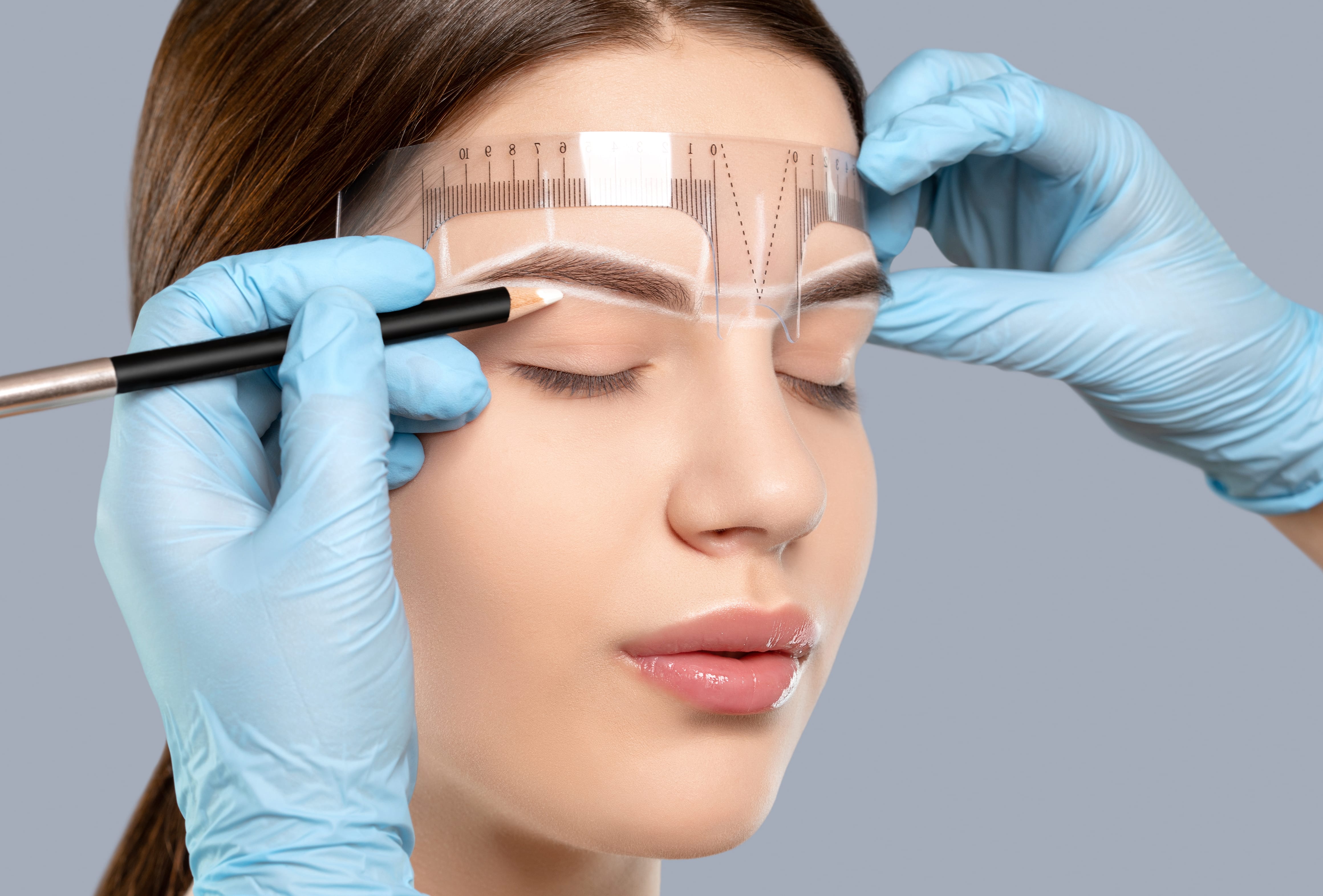
Why Cosmetic Tattoos Fade Faster for Some People Than Others
Cosmetic tattoos fade at different speeds depending on skin type, lifestyle, pigment placement and aftercare. This article explains why results vary and how to make them last.
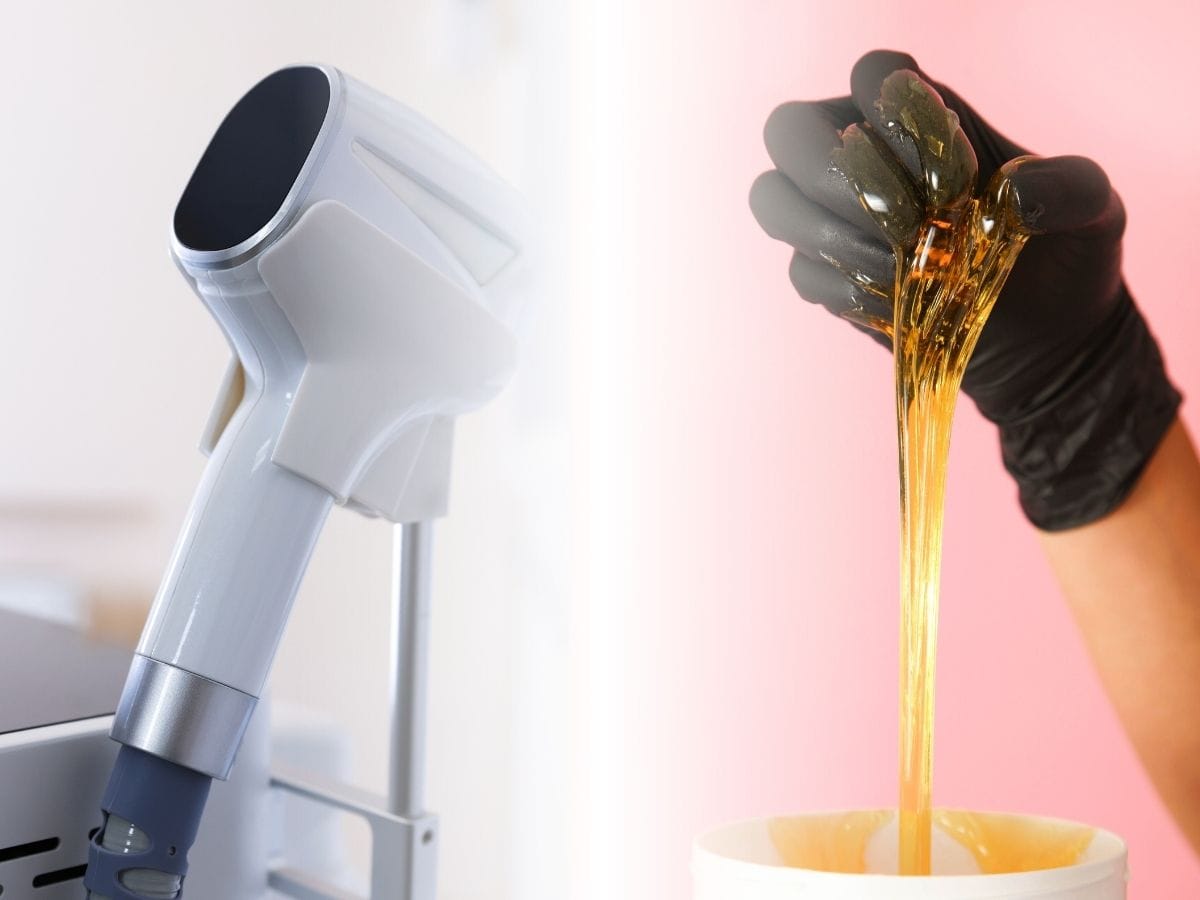
Choosing the Right Hair Removal Method for Fine or Light Hair
For people with fine or light hair, finding the right hair removal method can be tricky. Many clients wonder why laser or IPL treatments don’t deliver the same results they see in darker hair types, and whether alternatives like sugaring or waxing might be better suited. This article breaks down the pros and cons of…
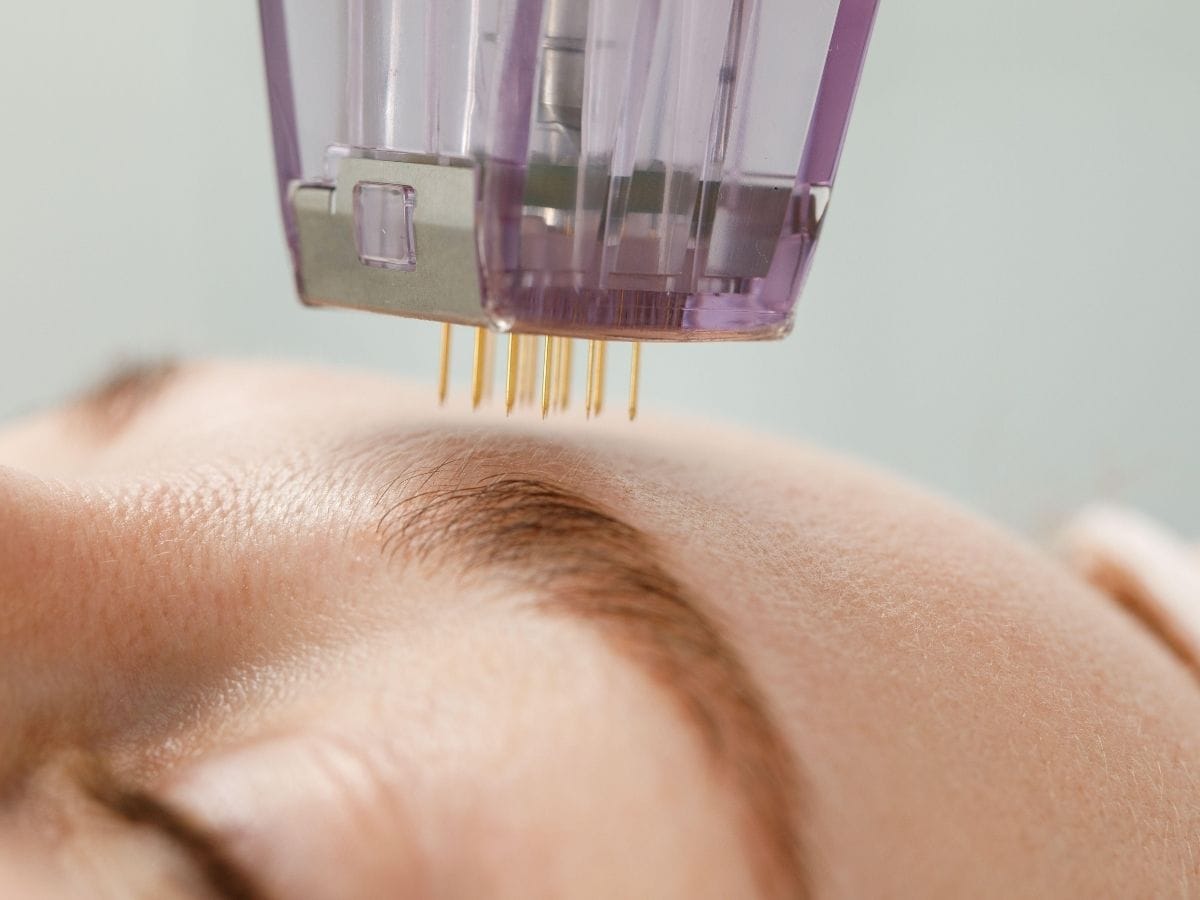
Does Skin Needling Work Better in Winter or Summer?
Many people researching skin needling ask the same question: “When is the best time to get skin needling—winter or summer?” The answer isn’t just about convenience. Seasonal factors such as UV exposure, humidity, and skin turnover can affect both your results and how well your skin heals after treatment. Here’s what practitioners and skin experts…
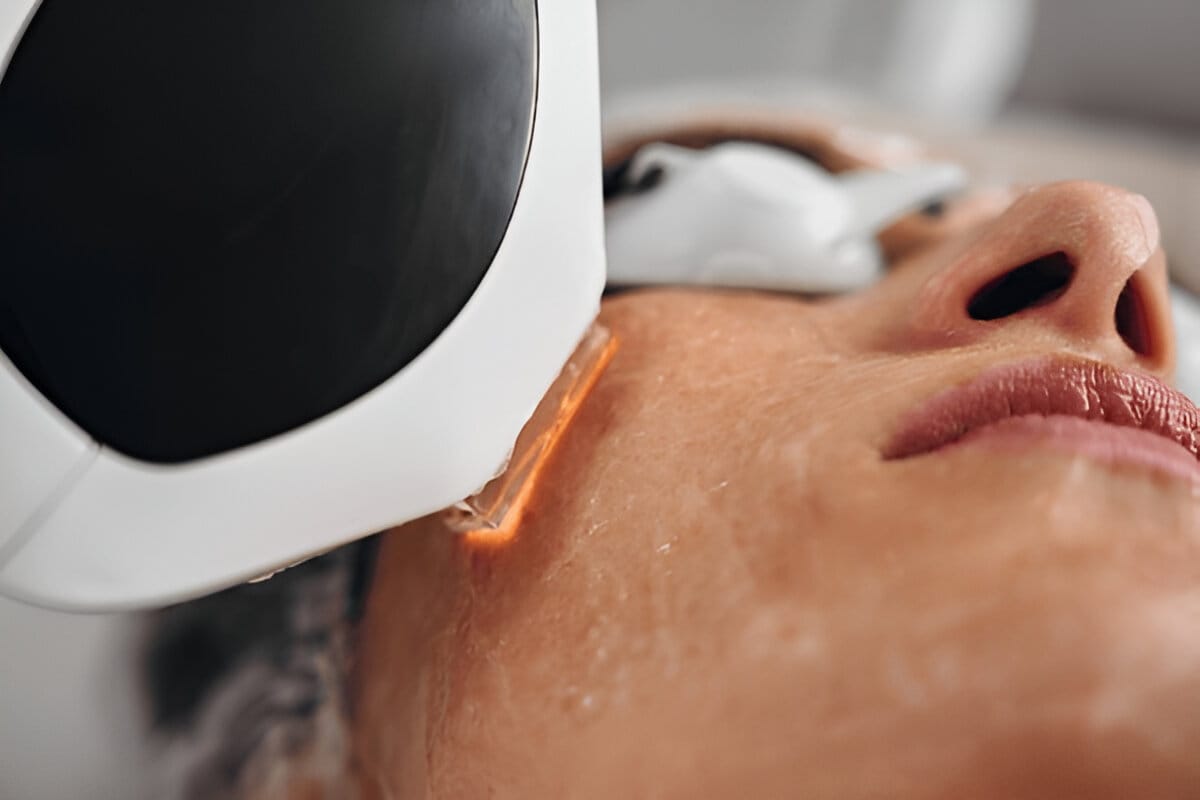
The Complete Guide to IPL Treatments: What to Expect Before, During & After
Thinking about IPL? Here’s exactly what the experience looks like from start to finish. What to Expect with IPL Treatments If you’ve been considering IPL to target pigmentation, redness, or unwanted hair, the next thing you might be wondering is: what’s the treatment actually like? This guide walks you through what to expect before, during,…
IPL vs. Laser: What’s the Difference and Which is Right for You?
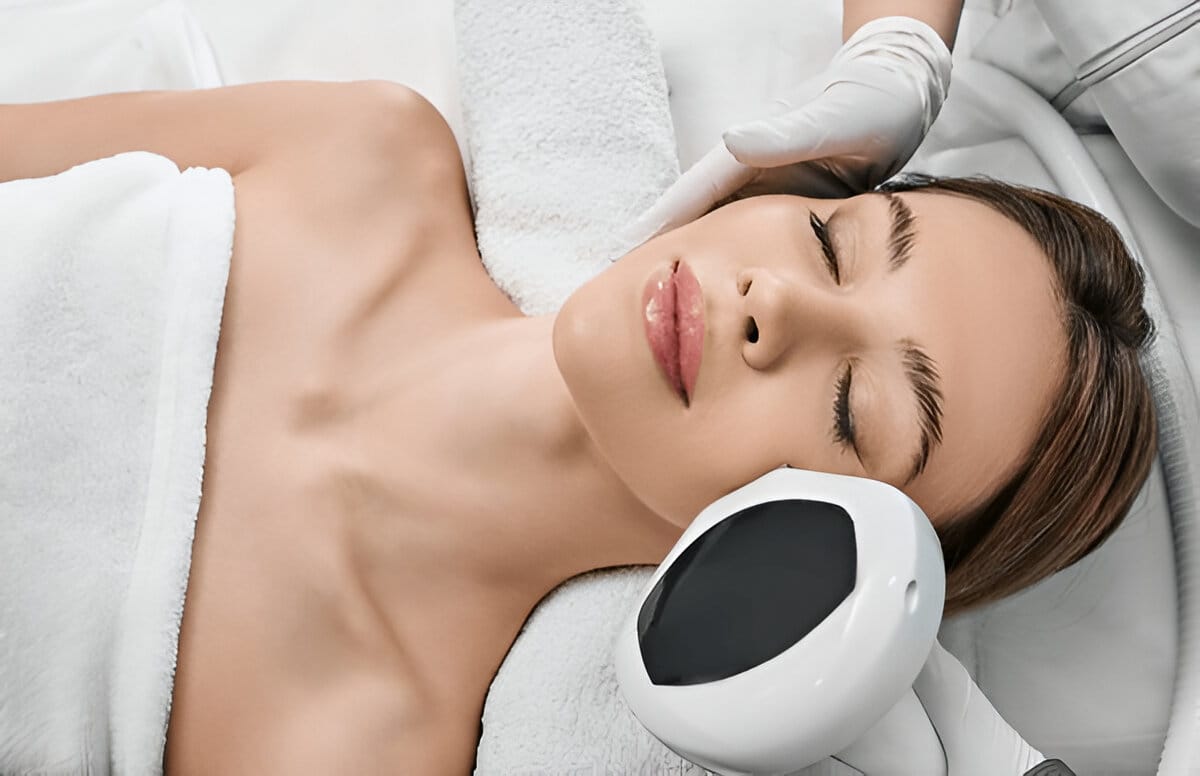
Not sure whether you need IPL or laser? You’re not alone. They’re often confused but they work in different ways and suit different skin goals. In this article, we break down the key differences so you can make the right call. At For the Love of Beauty, we offer IPL treatment services because it’s safe,…
Recovery Timeline After Fibroblasting: What to Expect
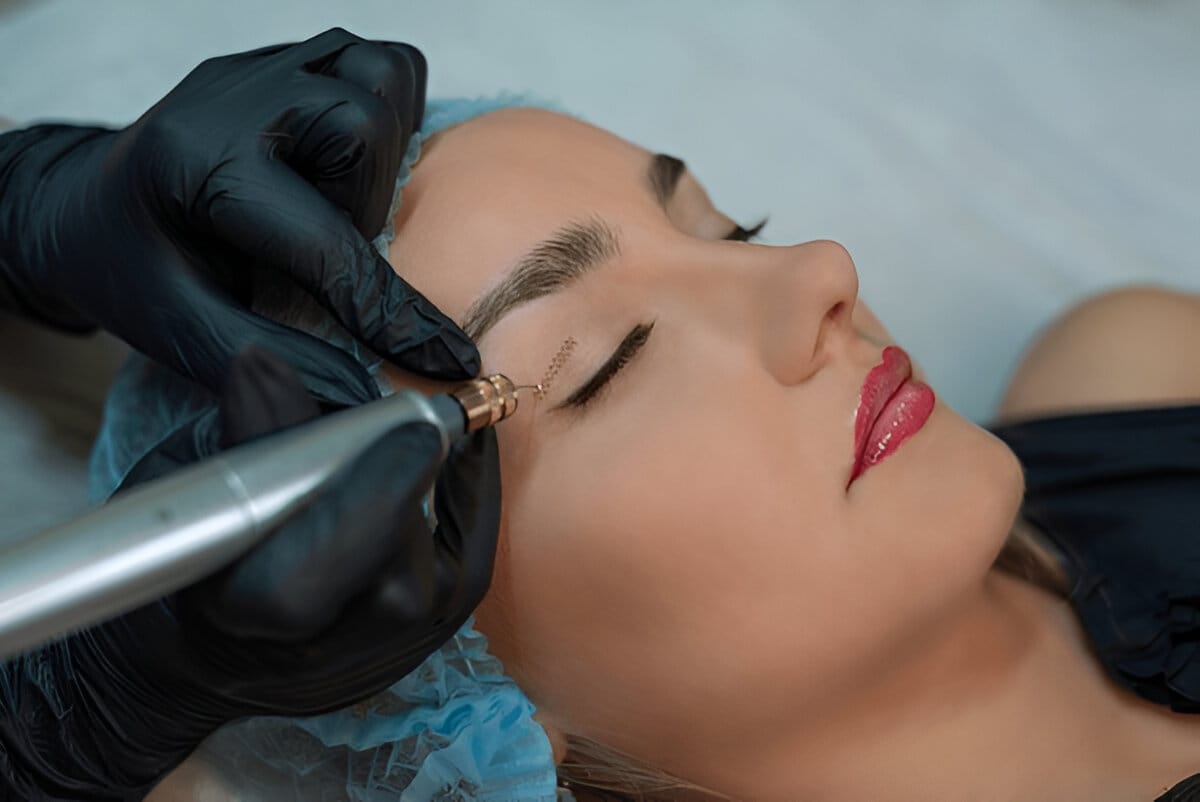
Recovery Timeline After Fibroblasting If you’ve been researching fibroblasting as a non-surgical option for lifting the skin around your eyes, the next question that often comes up is: what’s the recovery actually like? This guide walks you through what to expect after a plasma pen treatment – day by day – so you can plan…

Fibroblasting for Non-Surgical Eyelifts: Complete Guide
Fibroblasting has become one of the most sought-after non-surgical treatments for lifting and tightening the skin around the eyes. For clients exploring alternatives to eyelid surgery, it offers a way to achieve a noticeably fresher look using plasma technology—without incisions or extended downtime. Here’s everything you need to know before booking your treatment. What is…
HIFU for jawline, neck and jowls: realistic results
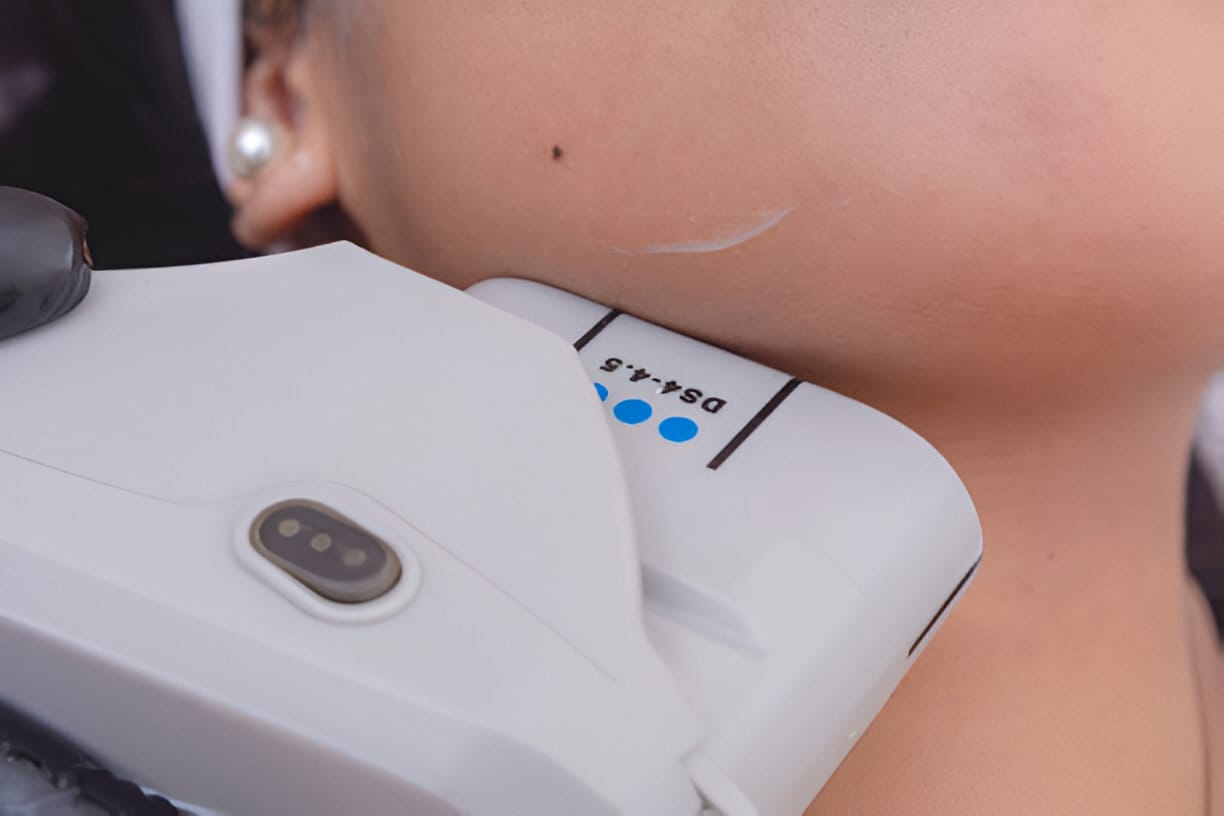
HIFU can be useful for some jawline, neck, and early jowl concerns, but it is not a facelift and it does not create the same change for everyone. HIFU results depend on skin thickness, laxity, age, collagen response, treatment depth, and how advanced the concern is.
At For the Love of Beauty in Hornsby, Deborah Crofts looks at the face and neck in person before talking about HIFU. With more than 30 years of hands-on beauty treatment experience, Deborah’s role is not to promise a new face shape. It is to explain whether a HIFU face treatment is a realistic match for the concern you can see.
Does HIFU work for the jawline, neck and jowls?
HIFU, short for high-intensity focused ultrasound, uses focused ultrasound energy at controlled depths under the skin. The aim is to trigger a repair response and new collagen support over time.
So, does HIFU work for the lower face? It may help when the issue is early softening around the jawline, mild skin laxity under the chin, early jowl formation, or a neck that is starting to lose firmness. It is more realistic to think of it as a gradual firming and support treatment, not a way to cut away loose skin or move heavy tissue.
That difference matters. If the skin is still reasonably responsive and the laxity is mild to moderate, HIFU may be part of the conversation. If there is significant loose skin, heavy jowls, or deeper folds, it is not a substitute for surgical advice.
What HIFU can change around the lower face
The most believable changes around the lower face are usually subtle improvements in firmness and definition. They are not a completely different face shape.
Around the jawline, HIFU may help the lower face look a little more supported where the edge of the jaw has started to blur. Around early jowls, the aim is usually to improve firmness in the surrounding skin rather than make the jowl disappear. Under the chin, it may be discussed when there is mild skin laxity rather than a larger volume concern.
On the neck, the question is often whether the skin is only starting to soften or whether there is already more advanced looseness. HIFU is more suited to the first situation. It can be disappointing when the expectation is a sharp neck angle or a surgery-level lift from one appointment.
What HIFU results are not realistic
Results are limited when the main concern is too advanced for a collagen-stimulating treatment.
| Concern | Why HIFU may be limited | Better next question |
|---|---|---|
| Significant loose neck skin | The skin may not have enough natural support to tighten in a visible way. | Is a non-surgical treatment still suitable, or should I seek medical advice? |
| Deep folds | Folds can involve skin, volume, facial movement, and deeper support changes. | Is the fold a skin-laxity issue, a volume issue, or both? |
| Heavy jowls | HIFU cannot remove heavy tissue or create a surgical jawline. | Is the concern mild enough for HIFU, or is another approach more realistic? |
| Skin texture or pigmentation | HIFU is not mainly a pigmentation or surface-texture treatment. | Would IPL, skin needling, or another skin treatment be a better fit? |
| One-week event preparation | Collagen change takes time, so one week is too soon to judge the result. | What can realistically be done before the event, and what should wait? |
A useful rule is this: if the concern needs skin removal, major lifting, or a certain result by a fixed date, HIFU is probably the wrong expectation.
Why before-and-after HIFU photos can mislead
Before and after HIFU photos can help show what is possible, but they can also make results look stronger or weaker than they were in person. A small change in chin angle can change the look of the neck.
| Photo factor | Why it changes the look | What to ask instead |
|---|---|---|
| Lighting | Side lighting can sharpen the jawline. Flat lighting can soften it. | Were both photos taken in the same light? |
| Camera angle | A higher or lower camera angle changes the under-chin area. | Was the camera position matched? |
| Timing after treatment | Early swelling or temporary tightness can affect the photo. | How many weeks or months after treatment is the after photo? |
| Number of sessions | One result may reflect more than one treatment or extra support treatments. | How many sessions were done? |
| Posture and expression | Jaw tension, neck stretch, and facial expression all change the comparison. | Was the person standing and holding their head the same way? |
This is why competitor before-and-after images should not be used as proof for For the Love of Beauty clients. If client-owned photos are used, they should be labelled with timing, treatment area, and number of sessions where that information is known.
How long do HIFU results take to show?
The result should be judged over weeks to months, not the next morning. Some people notice short-term firmness soon after treatment, but that is not the final result.
The slower change comes from the skin’s collagen response. A fair publication wording is that visible change is commonly judged around 2 to 3 months, with some results continuing to develop beyond that. This should still be framed as typical timing, not a promise.
Maintenance also varies. Age, skin quality, sun exposure, lifestyle, treatment plan, and the starting level of laxity all affect how long a result appears to last. A person with early softening and good skin quality may have a very different response from someone with heavier jowls or thinner neck skin.

Who is more likely to be a good HIFU candidate?
A good HIFU candidate is usually someone with mild to moderate laxity and realistic expectations. They are not looking for a dramatic transformation. They are looking for gradual improvement in firmness and support.
- HIFU may be worth discussing if you have early jawline softening, mild under-chin laxity, or neck skin that is starting to lose firmness.
- You prefer low visible downtime and are prepared to wait for a gradual collagen response.
- You understand that HIFU cannot replace medical or surgical advice where skin laxity is advanced.
- You are open to Deborah saying that another treatment, or no treatment, may be the better answer.
HIFU may not be the right first choice if the skin is significantly loose, if the jowls are heavy, if you need a certain result for an event, or if health or skin factors need screening first. It is also not the right treatment when the main concern is pigmentation, broken capillaries, or surface texture.
The next step at For the Love of Beauty in Hornsby
The next step is not choosing HIFU from a photo. It is having the face and neck checked in person, because laxity, skin thickness, volume, and skin quality are hard to judge from a selfie.
At For the Love of Beauty in Hornsby, Deborah can look at whether the concern sits deeper in the lower face, closer to the skin surface, or across several concerns at once. That matters because HIFU, fibroblasting, skin needling, IPL, and other treatments answer different problems.
A good HIFU conversation should also include the possibility that HIFU is not the right fit. If the concern is more surface-level, fibroblasting may be part of the discussion. If the concern is tone, redness, or pigmentation, IPL may be more relevant. If the issue is general skin quality, skin needling may be worth comparing.
HIFU jawline and neck questions
Does HIFU work for jowls?
HIFU may help some early jowl or lower-face softening concerns, but it is not suitable for every type of jowl. It is more realistic when the issue is mild laxity and softening rather than heavy tissue or significant loose skin.
Is HIFU good for neck tightening?
HIFU may be discussed for some mild to moderate neck laxity. Neck skin varies a lot, so expectations need to be realistic. Thin, loose, or more advanced neck skin may not respond the way a stronger skin structure can.
How soon will I see HIFU results?
Some early firmness may be noticed, but the final result should not be judged straight away. The result usually needs weeks to months because collagen response is gradual.
Is HIFU painful?
Sensation varies by person and treatment area. The current For the Love of Beauty service page describes HIFU as feeling a little sensitive in some areas, including near the teeth. Deborah can talk through comfort, dental padding, and area-specific sensitivity during consultation.
How do I know if HIFU or fibroblasting is better?
HIFU is usually the more relevant question for deeper laxity and low visible downtime. Fibroblasting is more relevant for targeted surface tightening, but it has more visible healing. A consultation is needed because the right choice depends on the concern, the skin, and the area being treated.
Discuss whether HIFU is realistic for you
If your concern is a softer jawline, early jowls, mild neck laxity, or under-chin skin that is starting to loosen, contact For the Love of Beauty in Hornsby and ask whether HIFU is a realistic option. Bring the concern you want Deborah to assess, not just a photo of someone else’s result. The most useful appointment starts with what your skin can respond to, not what a before-and-after image promises.