
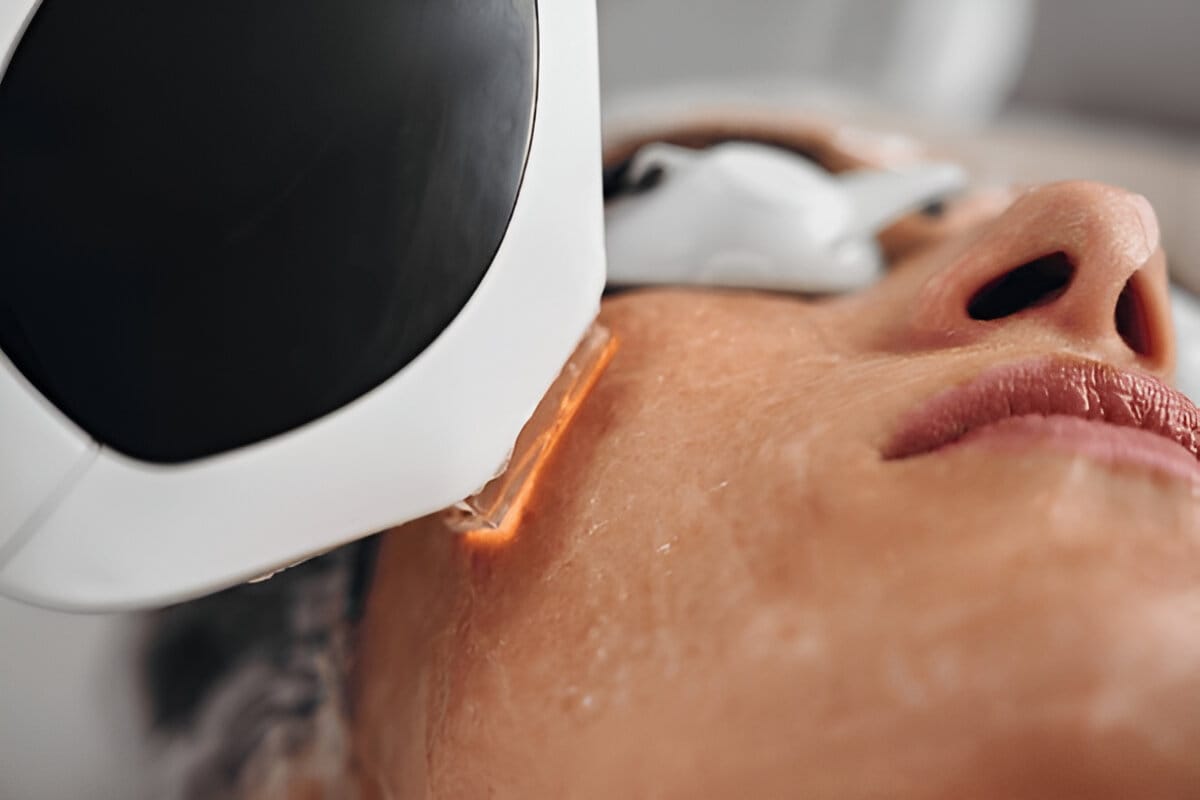
Further Reading
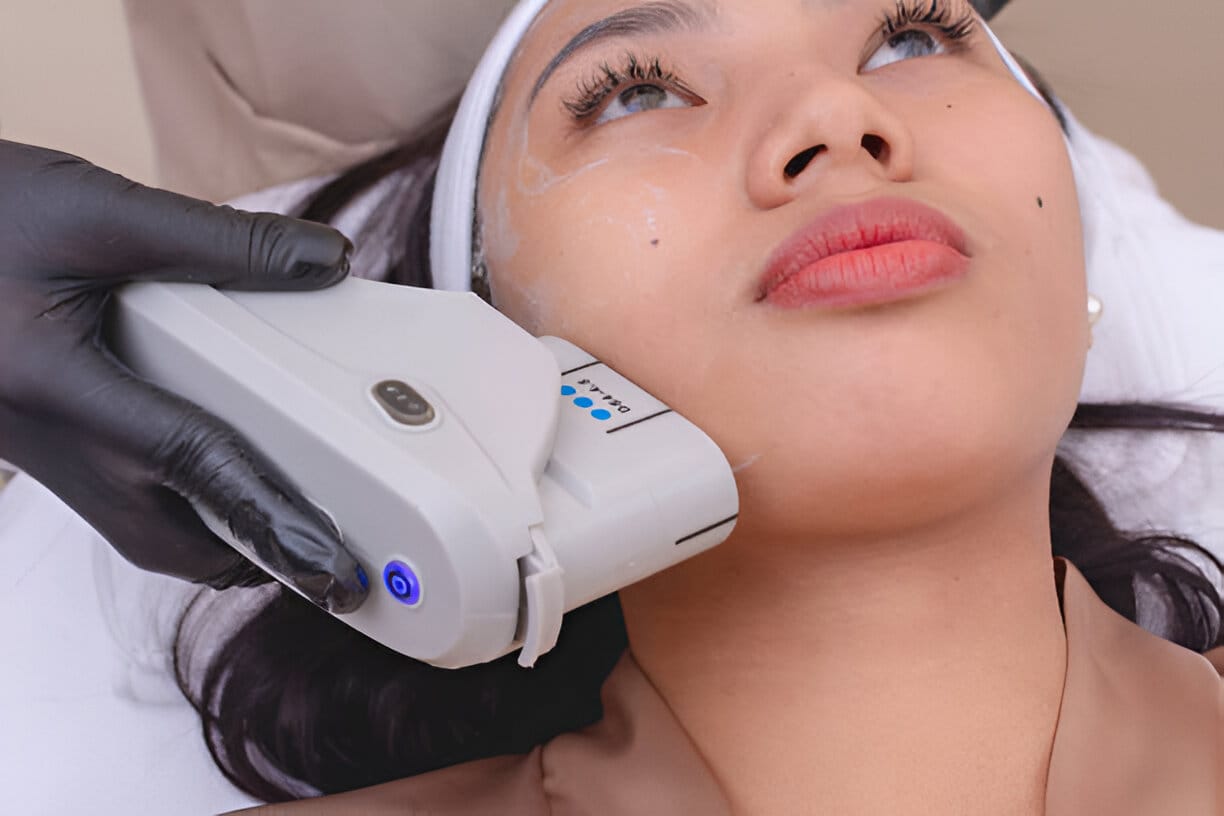
Plasma skin tightening vs HIFU: which fits the concern?
Compare plasma skin tightening and HIFU for laxity, eyelids, jawline, downtime, healing, and realistic treatment fit.
Skin tag removal: what to know before booking
Body sugaring is often seen as an alternative hair removal method, but many clients use it long term. This article explains why.
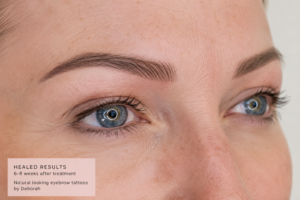
Eyebrow tattoo – styles, what to expect, and how to choose the right look
Body sugaring is often seen as an alternative hair removal method, but many clients use it long term. This article explains why.
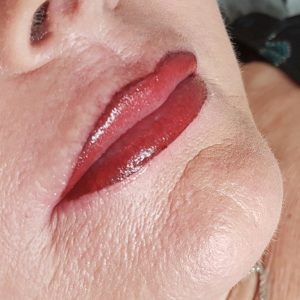
Lip tattoo explained – what to expect, healing, and how long it lasts
Body sugaring is often seen as an alternative hair removal method, but many clients use it long term. This article explains why.
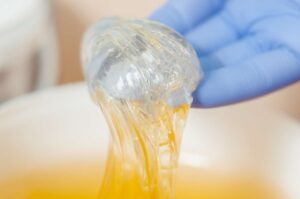
Do Clients Stick With Body Sugaring Long Term?
Body sugaring is often seen as an alternative hair removal method, but many clients use it long term. This article explains why.
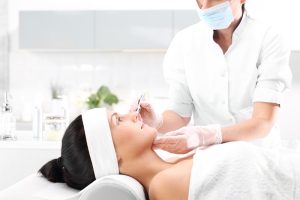
Is Skin Needling Enough on Its Own, or Does It Need Support Treatments?
Skin needling supports collagen and skin quality, but results depend on concern depth. Understanding when support treatments are used helps set expectations.
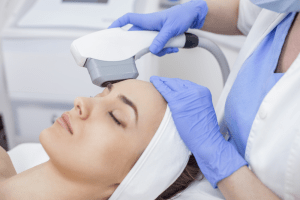
Why Some Hair Removal Methods Stop Working Over Time
Hair removal treatments can deliver strong early results, then slow over time. Understanding hair growth cycles explains why maintenance and combined methods are often needed.
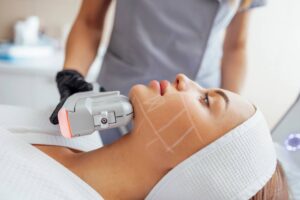
Why Some HIFU Treatments Work Better Than Others
HIFU tightening results differ from person to person. Factors like collagen levels, skin thickness, device quality and treatment technique all influence how well HIFU works.
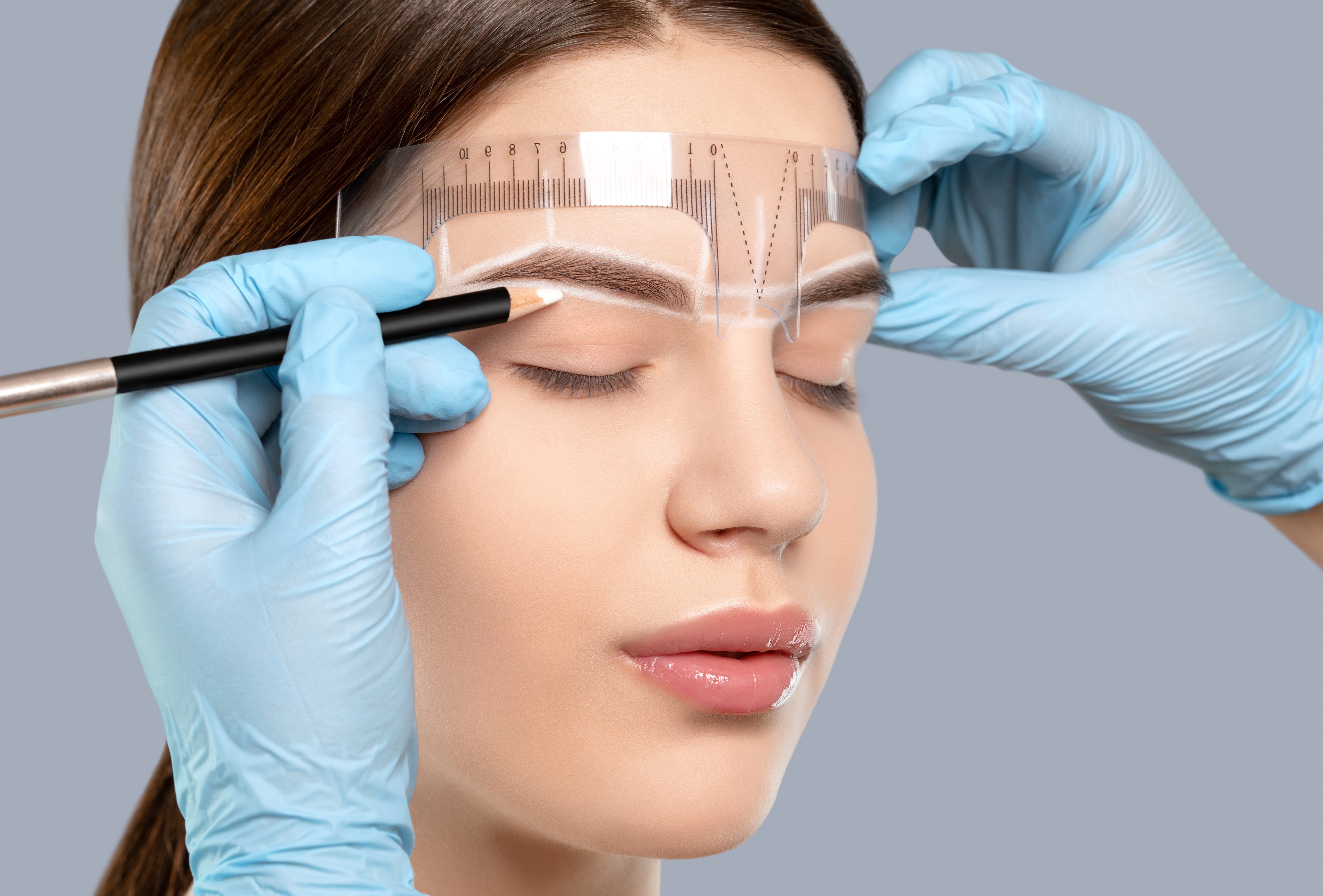
Why Cosmetic Tattoos Fade Faster for Some People Than Others
Cosmetic tattoos fade at different speeds depending on skin type, lifestyle, pigment placement and aftercare. This article explains why results vary and how to make them last.
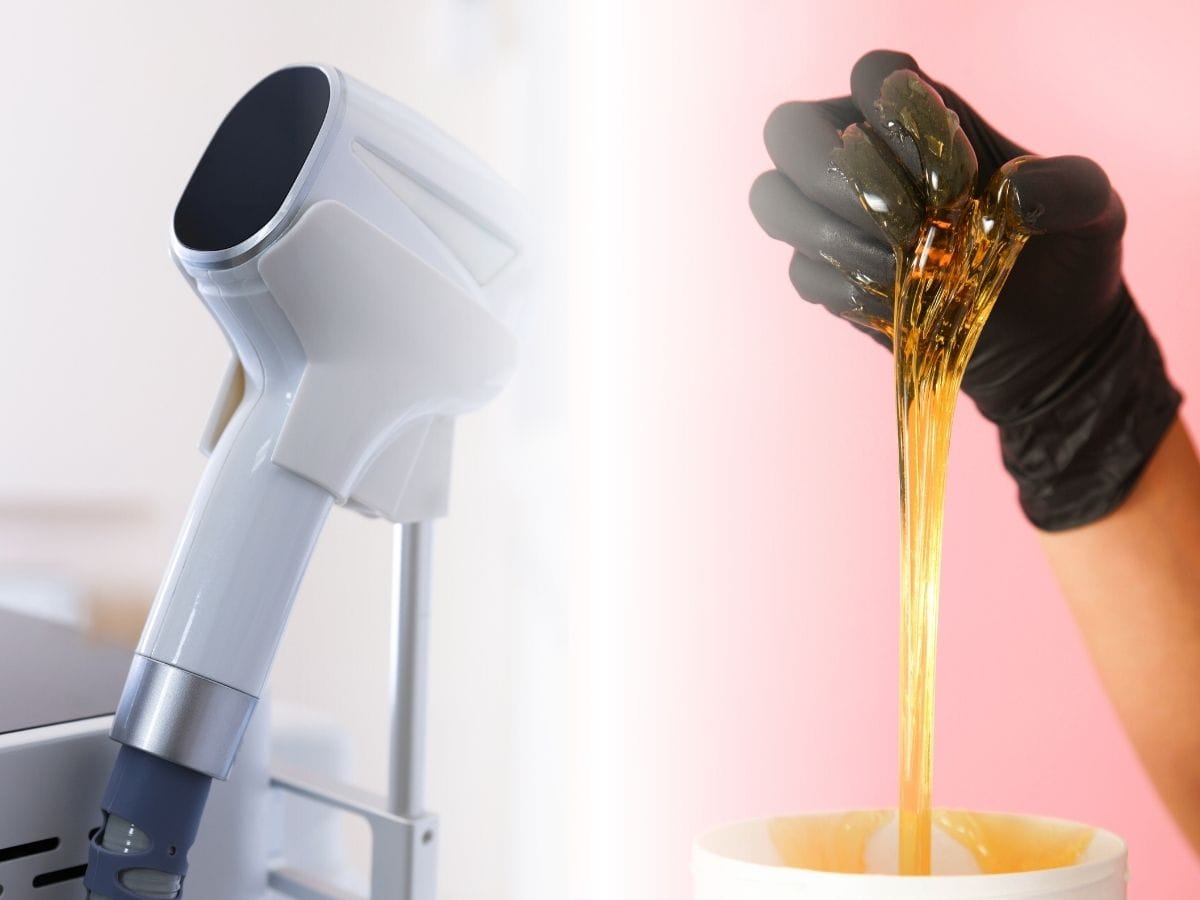
Choosing the Right Hair Removal Method for Fine or Light Hair
For people with fine or light hair, finding the right hair removal method can be tricky. Many people wonder why laser or IPL hair removal doesn’t deliver the same results they see in darker hair types, and whether alternatives like sugaring or waxing might be better suited. This article breaks down the pros and cons…
The Complete Guide to IPL Treatments: What to Expect Before, During & After
Thinking about IPL? Here’s exactly what the experience looks like from start to finish.
What to Expect with IPL Treatments
If you’ve been considering IPL to target pigmentation or redness, the next thing you might be wondering is: what’s the treatment actually like?
This guide walks you through what to expect before, during, and after an IPL treatment—so you can feel confident, prepared, and ready to get the most out of every session. Whether it’s your first time or your fifth, knowing the process helps you plan with realistic expectations.
If you’re exploring an IPL treatment service in Hornsby, this guide covers it all.
Before Your IPL Session
What to Do in the Days Leading Up:
- Avoid active ingredients: Stop using retinol, AHAs, BHAs or exfoliants 3–5 days prior.
- Stay out of the sun: No tanning, sunburn, or recent sun exposure on the area.
During your consultation, we’ll assess your skin type, discuss your goals, and make sure IPL is suitable for your concerns and skin tone.
During the Treatment
The session itself is quick and relatively painless for most clients.
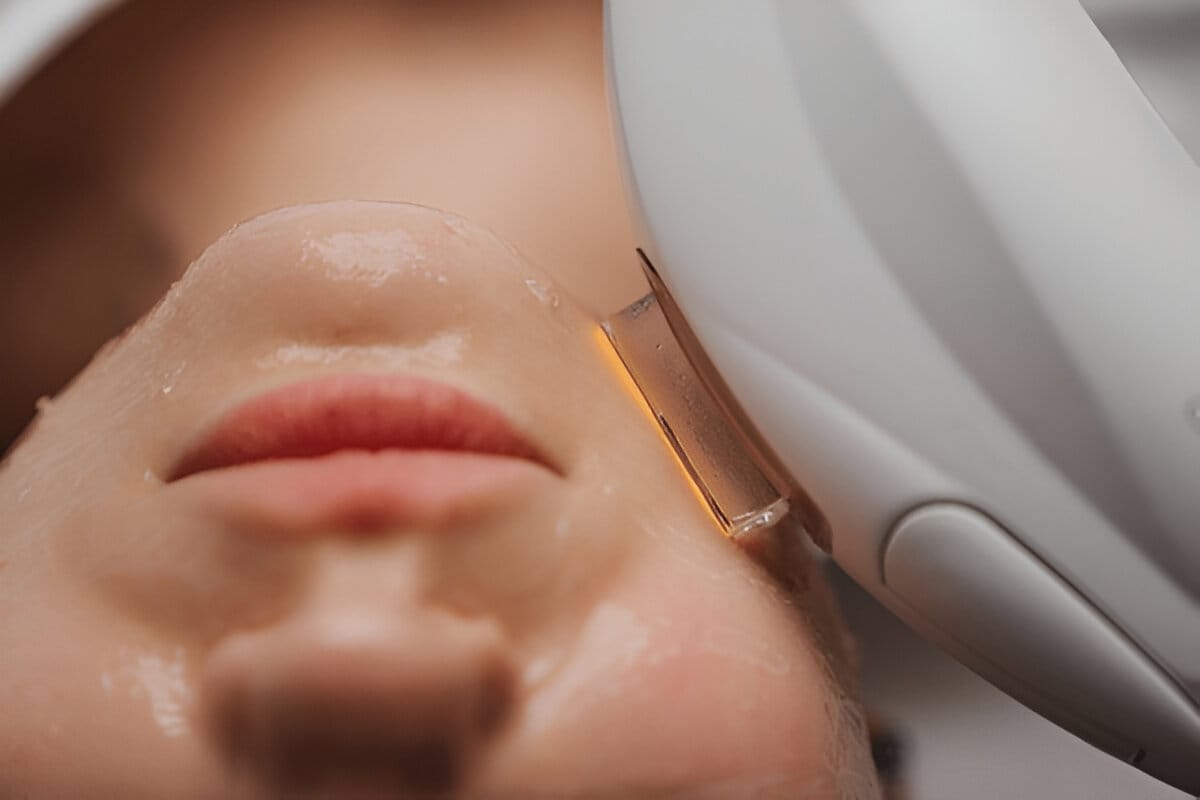
- A cooling gel is applied to the treatment area.
- You’ll wear protective eyewear.
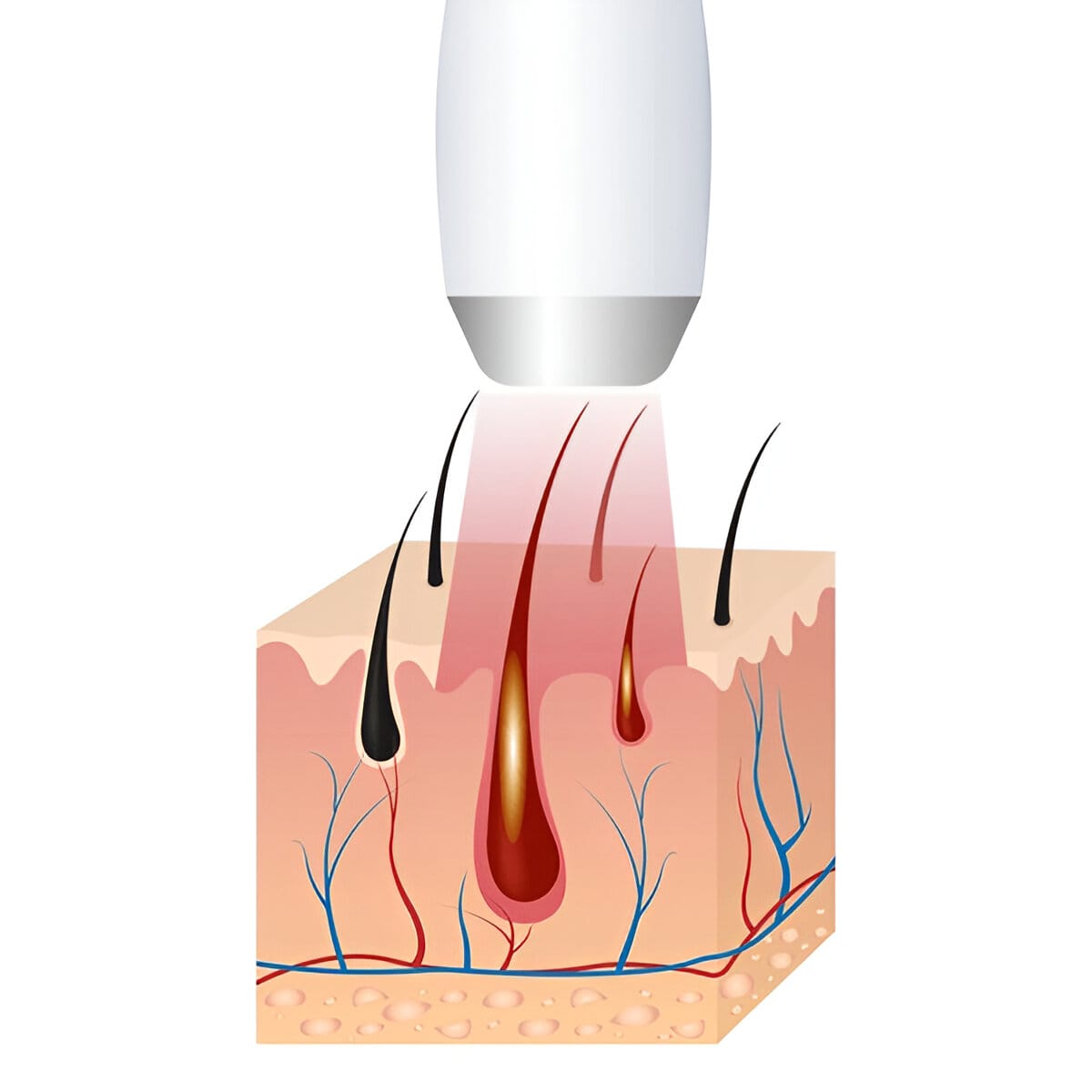
- The IPL device is passed over the skin, emitting short flashes of light.
- You might feel a mild snapping or warmth—similar to a rubber band flick.
Most sessions take 15 to 45 minutes, depending on the area being treated. You may experience slight redness or warmth immediately after, but this usually subsides quickly.
After Your IPL Session: What to Expect
Day 1–2: Mild Redness or Warmth
After treatment, your skin may feel a little sunburnt—especially on sensitive areas like the face. You can apply a cool compress and a gentle moisturiser to soothe the area. Avoid hot showers, exercise, or any harsh skincare during this period.
Days 3–7: Flaking, Darkening or Shedding (if treating pigmentation)
Pigmented spots may darken before they flake away naturally—this is normal. If treating redness or capillaries, the area may look slightly flushed before evening out.
Week 2 Onwards: Visible Improvements Begin
Skin tone becomes more even, and the treated area continues to brighten. Pigmentation fades gradually with each session.
Most clients require 4–6 sessions spaced a few weeks apart for best results. We’ll guide you through the ideal treatment plan during your consult.
Supporting Your Results
Here at For the Love of Beauty in Hornsby, we provide clear aftercare and ongoing advice to ensure you get the most from your IPL treatments.
We tailor every session to your skin tone, condition, and goals, whether it’s reducing redness or softening pigmentation.
Is IPL Right for You?
IPL works best for people with lighter skin tones and targeted pigmentation or redness concerns. If you’re unsure whether you’re a good candidate, we’ll walk you through your options.
For a quick refresher on the technology itself, you can also check out our comparison guide: IPL vs Laser: What’s the Difference?
Book an IPL Session at Our Hornsby Clinic
Once you know what to expect, the next step is easy. Book a free consult and let’s talk through how IPL can work for your skin.
Book Now or learn more about our IPL treatment service.