
Further Reading

Do Clients Stick With Body Sugaring Long Term?
Body sugaring is often seen as an alternative hair removal method, but many clients use it long term. This article explains why.
Why Some Hair Removal Methods Stop Working Over Time
Hair removal treatments can deliver strong early results, then slow over time. Understanding hair growth cycles explains why maintenance and combined methods are often needed.
Why Some HIFU Treatments Work Better Than Others
HIFU tightening results differ from person to person. Factors like collagen levels, skin thickness, device quality and treatment technique all influence how well HIFU works.
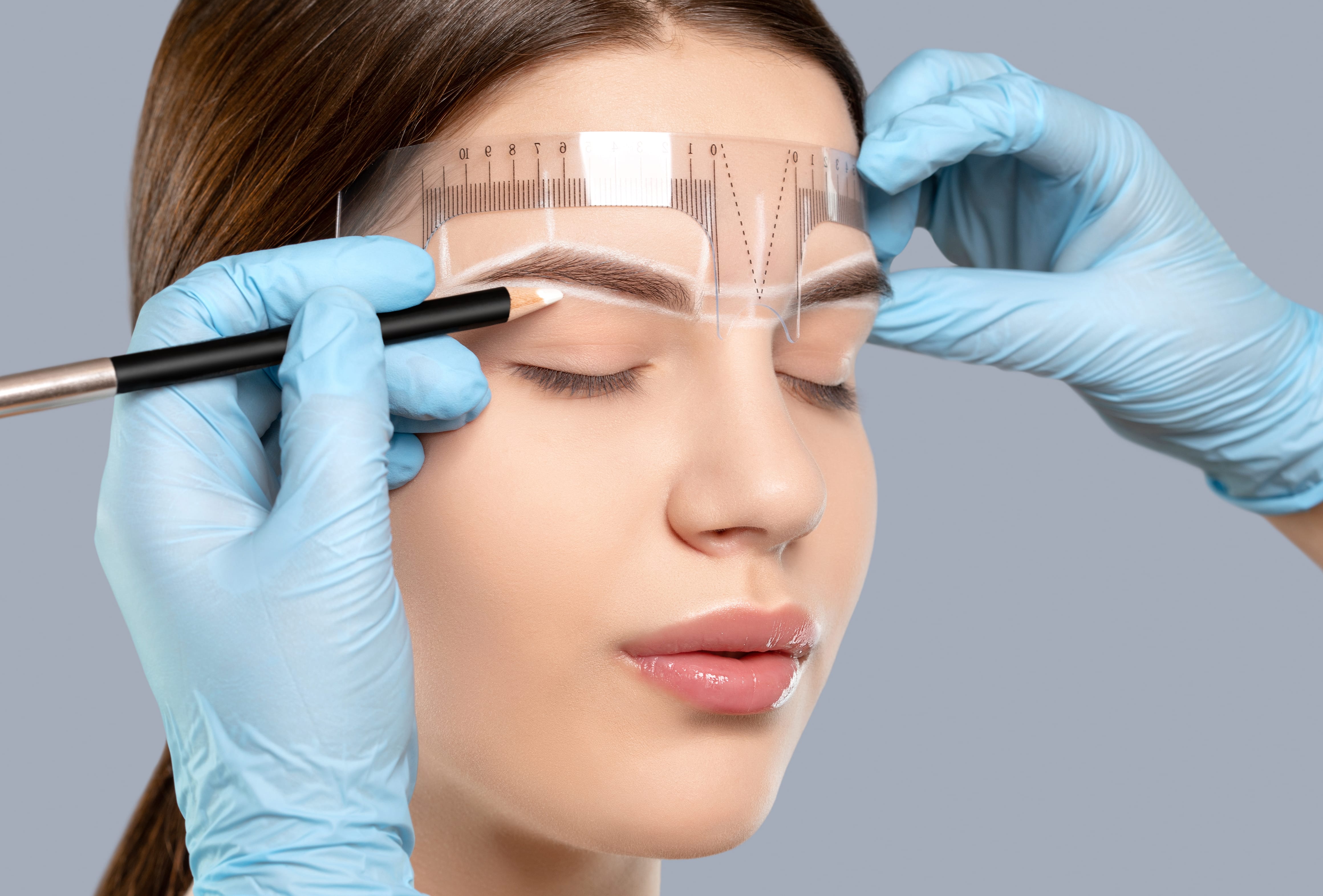
Why Cosmetic Tattoos Fade Faster for Some People Than Others
Cosmetic tattoos fade at different speeds depending on skin type, lifestyle, pigment placement and aftercare. This article explains why results vary and how to make them last.
Choosing the Right Hair Removal Method for Fine or Light Hair
For people with fine or light hair, finding the right hair removal method can be tricky. Many clients wonder why laser or IPL treatments don’t deliver the same results they see in darker hair types, and whether alternatives like sugaring or waxing might be better suited. This article breaks down the pros and cons of…
Does Skin Needling Work Better in Winter or Summer?
Many people researching skin needling ask the same question: “When is the best time to get skin needling—winter or summer?” The answer isn’t just about convenience. Seasonal factors such as UV exposure, humidity, and skin turnover can affect both your results and how well your skin heals after treatment. Here’s what practitioners and skin experts…
The Complete Guide to IPL Treatments: What to Expect Before, During & After
Thinking about IPL? Here’s exactly what the experience looks like from start to finish. What to Expect with IPL Treatments If you’ve been considering IPL to target pigmentation, redness, or unwanted hair, the next thing you might be wondering is: what’s the treatment actually like? This guide walks you through what to expect before, during,…
IPL vs. Laser: What’s the Difference and Which is Right for You?
Not sure whether you need IPL or laser? You’re not alone. They’re often confused but they work in different ways and suit different skin goals. In this article, we break down the key differences so you can make the right call. At For the Love of Beauty, we offer IPL treatment services because it’s safe,…
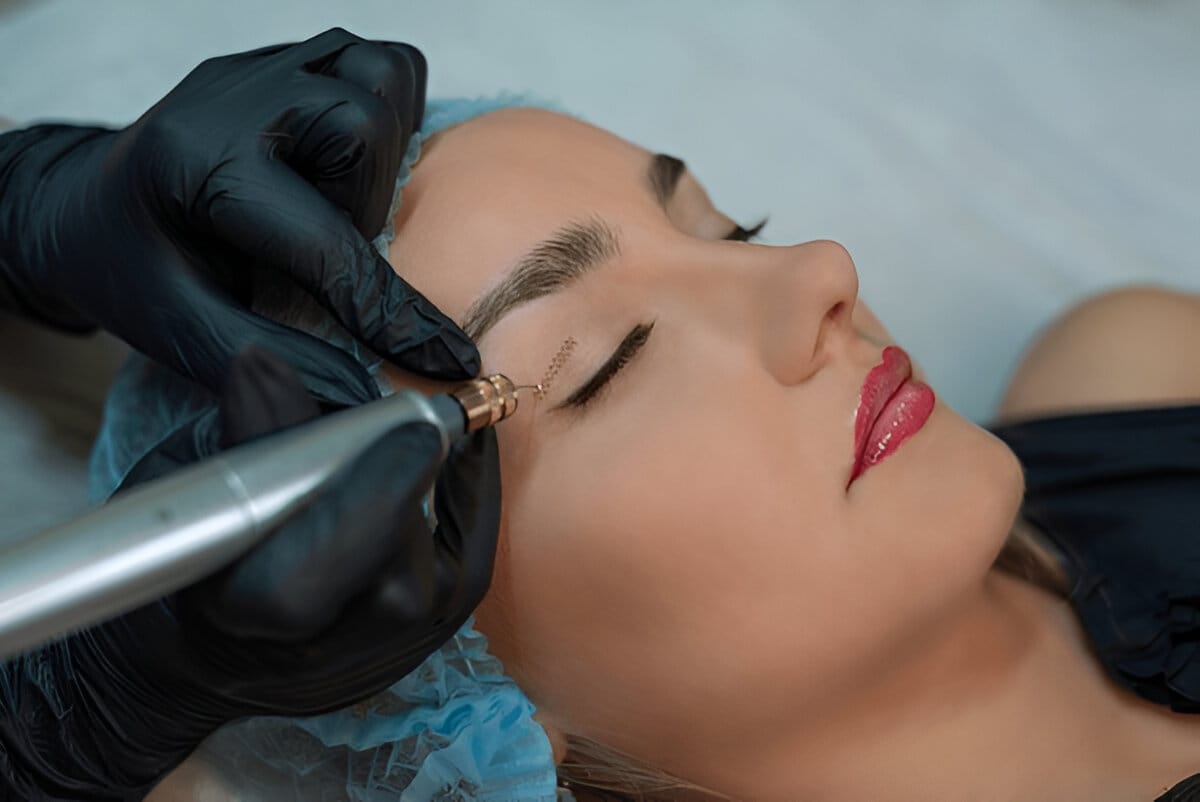
Recovery Timeline After Fibroblasting: What to Expect
Recovery Timeline After Fibroblasting If you’ve been researching fibroblasting as a non-surgical option for lifting the skin around your eyes, the next question that often comes up is: what’s the recovery actually like? This guide walks you through what to expect after a plasma pen treatment – day by day – so you can plan…

Fibroblasting for Non-Surgical Eyelifts: Complete Guide
Fibroblasting has become one of the most sought-after non-surgical treatments for lifting and tightening the skin around the eyes. For clients exploring alternatives to eyelid surgery, it offers a way to achieve a noticeably fresher look using plasma technology—without incisions or extended downtime. Here’s everything you need to know before booking your treatment. What is…
Is Skin Needling Enough on Its Own, or Does It Need Support Treatments?
Skin needling is often described as a foundation treatment for improving skin quality. It is widely used to support collagen production, refine texture and improve overall skin tone. For some people, skin needling on its own delivers the changes they are looking for. For others, results can feel limited or slow, particularly when concerns go beyond surface texture.
Whether skin needling is enough depends on what the skin is being asked to do and how deeply the concern sits.
What skin needling is designed to address
Skin needling works by creating controlled micro-channels in the skin. This process stimulates the body’s natural repair response, encouraging collagen and elastin production in the upper layers of the skin.
It is particularly effective for:
- uneven skin texture
- mild acne scarring
- early signs of ageing
- overall skin quality and tone
Because it works within the superficial layers of the skin, skin needling is best suited to concerns that respond to gradual collagen stimulation rather than structural tightening.
Why results can feel subtle for some people
Collagen production is a slow biological process. Changes occur gradually and often build over a series of treatments rather than after a single session.
Results may feel limited when:
- skin laxity is more pronounced
- deeper structural support is needed
- the concern involves significant loss of firmness
- expectations are based on immediate lifting rather than long-term improvement
In these cases, skin needling is still doing its job, but it may not be addressing the full depth of the concern.

Understanding skin depth and treatment layers
Different treatments work at different levels of the skin. This is one of the most important factors in treatment planning.
Skin needling targets the upper dermal layers where collagen renewal improves texture and resilience. Fibroblasting and high intensity focused ultrasound work differently and are used when concerns extend beyond surface quality.
This distinction explains why treatments are sometimes combined rather than replaced.
When fibroblasting may be considered
Fibroblasting is typically used to address areas where skin laxity is more localised, such as around the eyes or mouth. It works on the surface of the skin to encourage tightening through controlled thermal stimulation.
It may be discussed when:
- skin laxity is visible but limited to specific areas
- the concern is more about firmness than texture
- skin needling alone is unlikely to provide enough tightening
Fibroblasting is not a substitute for skin needling. The two treatments serve different purposes and are used selectively based on skin assessment.
Where HIFU fits into treatment planning
High intensity focused ultrasound targets deeper layers of tissue. It is used when skin laxity is more advanced or when structural support needs to be addressed.
HIFU is often considered when:
- laxity extends beyond the superficial layers
- lifting and tightening are the primary goals
- collagen stimulation needs to occur at depth
Because HIFU works deeper, it is not a replacement for skin needling. Instead, it addresses a different layer of the skin.

Why combination treatments are sometimes recommended
Combination treatment planning is not about doing more for the sake of it. It is about matching the treatment depth to the concern.
Skin needling may improve surface quality, while fibroblasting or HIFU addresses firmness or lift. In some cases, treatments are spaced over time to allow the skin to respond gradually and predictably.
Not everyone needs combination treatments. Many people achieve satisfactory results with skin needling alone, particularly when concerns are mild to moderate.
The importance of realistic expectations
Skin treatments work with the body’s natural repair processes. They do not override them. Understanding what each treatment can reasonably achieve helps avoid disappointment and supports better long-term outcomes.
A thorough consultation and conservative planning are often more important than the number of treatments performed.
Frequently Asked Questions about Skin Needling and Other Treatments
Can skin needling tighten loose skin?
Skin needling can improve firmness through collagen stimulation, but it does not provide significant lifting for advanced laxity.
How many skin needling sessions are usually needed?
Multiple sessions are typically required. Improvements build gradually as collagen production increases over time.
Is fibroblasting better than skin needling?
They address different concerns. Skin needling focuses on texture and skin quality, while fibroblasting targets localised skin tightening.
Can HIFU replace skin needling?
No. HIFU works at deeper tissue levels. Skin needling remains important for surface texture and overall skin health.
Do combination treatments mean skin needling is ineffective?
No. Combination treatments are used when concerns exist at different skin depths, not because skin needling has failed.
How is the right treatment chosen?
Treatment planning is based on skin condition, concern depth and individual response rather than a one-size-fits-all approach.