
Further Reading

Age Spots
Pigmentation spots can appear everywhere, they seem to be much more predominate as we age,they can appear on the Face, Hands Arms ,and Legs. There are two ways for removal and it depends on the skin as to how I would treat them. IPL is one way Intense Pulsed Light which is costed by the…
Why Cosmetic Tattoos Fade Faster for Some People Than Others
How Long Cosmetic Tattoos Last — What Affects Fading
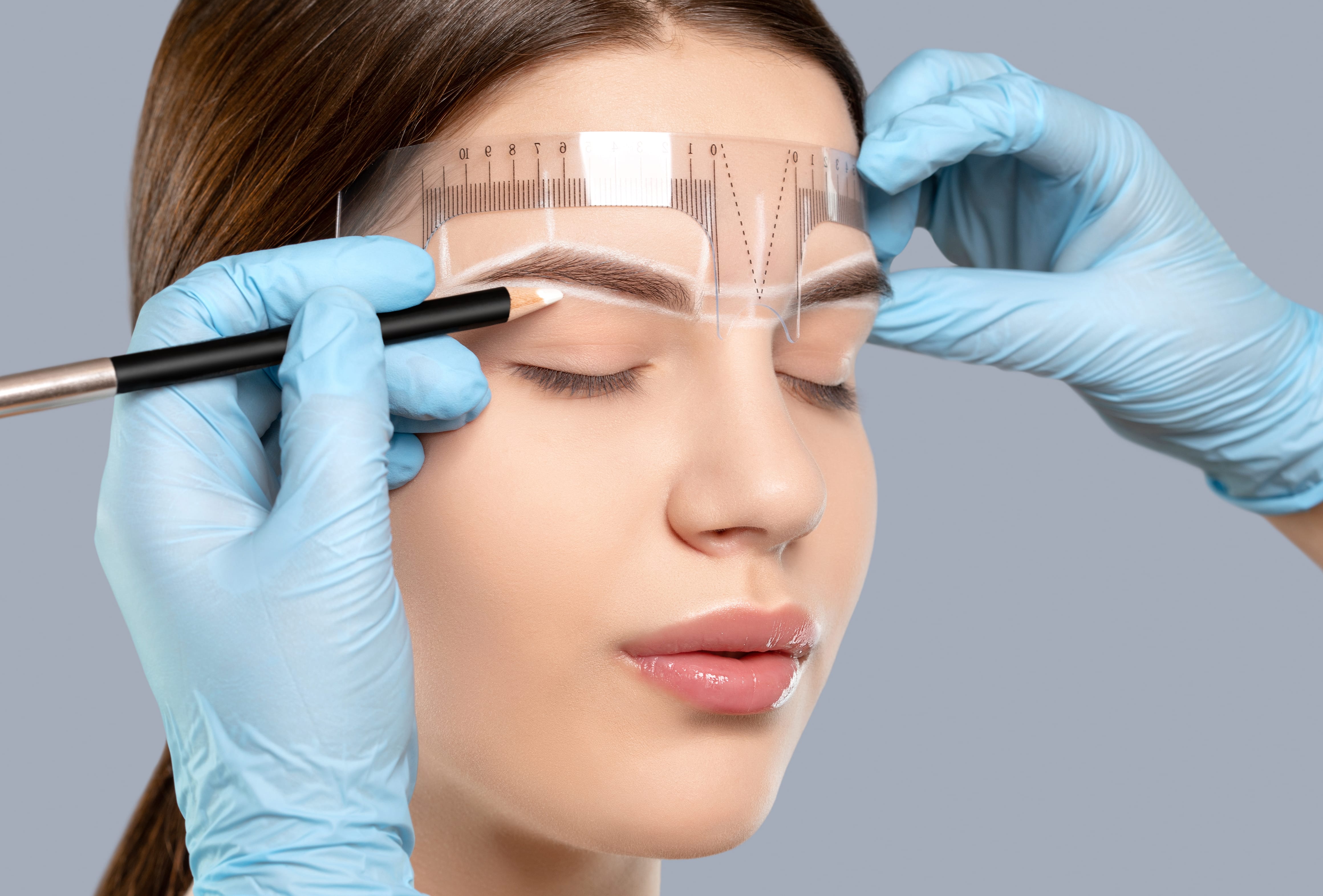
Cosmetic tattooing has become a popular choice for people wanting defined brows, balanced lips or low-maintenance enhancement. But results do not last the same amount of time for everyone. Some people enjoy long-lasting clarity, while others notice fading or colour changes far sooner than expected.
These differences come down to a mix of skin biology, lifestyle, pigment behaviour and how the body processes colour over time.
Skin Type Has a Major Influence
Skin type is one of the strongest predictors of how long cosmetic tattoo pigments remain visible. Oily skin tends to break down pigment more quickly because sebum interacts with colour particles near the skin surface. Dry or normal skin usually holds pigment more consistently.
People with oily skin often experience:
- Faster fading at the inner brow
- Blurring of hairstrokes in microblading
- More frequent touch-up appointments
This is why some clients are recommended shading or combination techniques rather than fine hairstrokes alone.
At a Glance: Which Skin Types Retain Pigment Best?
| Skin Type | Expected Retention | Common Challenges |
|---|---|---|
| Dry | Longest-lasting | May need extra moisturiser during healing |
| Normal | Consistent retention | Few long-term issues |
| Combination | Moderate retention | Uneven fading in oily zones |
| Oily | Shortest retention | Blurred strokes, faster fading |
Why Lips Fade Faster Than Brows
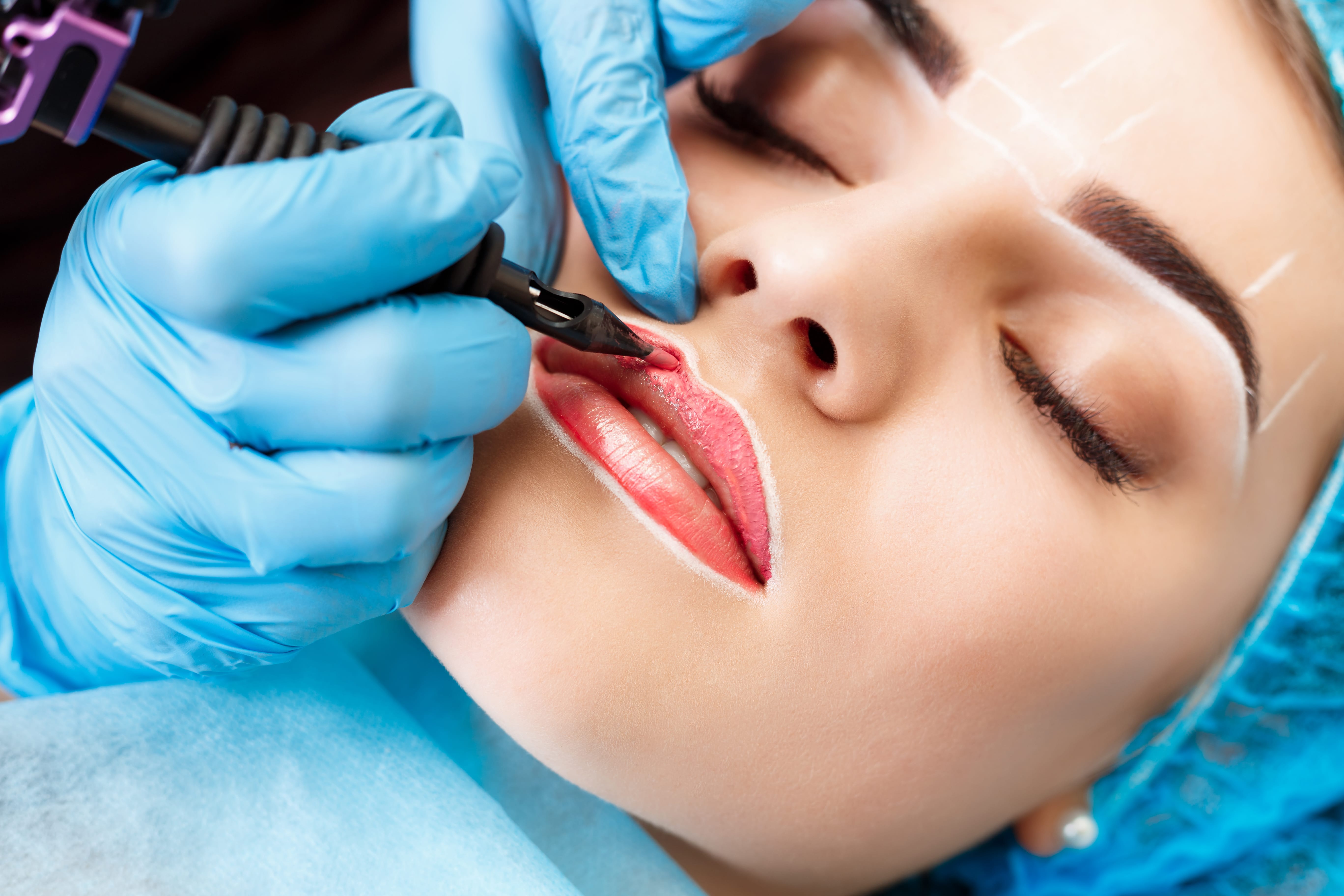
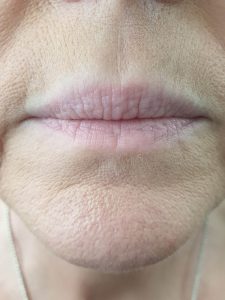
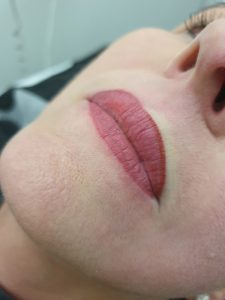
Different areas of the face hold pigment differently. Lip tattoos fade sooner because the skin is thinner, constantly moving and more vascular. Brows generally last longer but often fade more on the outer edges, where the skin is more delicate.
The differences come down to anatomy, not technique.
Lifestyle Habits That Speed Up Fading
Longevity depends heavily on how the tattooed area is treated once healed. Even clients with ideal skin types can see early fading if pigment is exposed to friction, active skincare ingredients or UV light.
Common habits that cause faster fading include:
- Daily sun exposure without SPF
- Applying retinol or exfoliating acids near the tattoo
- Heavy sweating or regular high-intensity exercise
- Swimming in chlorinated pools
- Using abrasive lip scrubs
- Frequent exfoliation or resurfacing treatments
Quick Reference: Lifestyle Factors and Their Impact
| Lifestyle Factor | Effect on Pigment |
|---|---|
| Sun exposure | Fades and warms pigment tones |
| Retinol / AHAs | Break down pigment over time |
| Sweat & exercise | Increases sebum production |
| Swimming | Chlorine accelerates fading |
| Lip products | Friction wears down lip pigments |
Technique, Depth and Pigment Choice
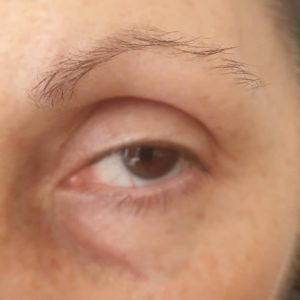
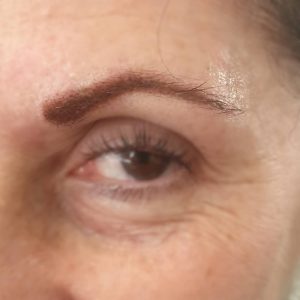
Experienced practitioners match technique to the client’s skin, undertones and desired look. Depth of implantation, pigment formulation and the decision between hairstrokes and shading can influence how the tattoo ages.
- Oily skin often holds shading better than microblading alone.
- Lips require carefully selected pigments to minimise colour shift.
- Stretch-mark camouflage relies on neutralising undertones before colour matching.
Technique matters, but it cannot override skin behaviour or lifestyle factors.
Why Uneven Fading Happens
Uneven fading is common and rarely indicates a flawed procedure. It often reflects local differences in blood flow, friction or sun exposure.
Common patterns include:
- Outer brow tails fading quicker
- Centre lip colour softening first due to movement
- Stretch-mark camouflage fading faster on areas with friction
How to Maintain Results Longer
While some fading is inevitable, clients can extend results with consistent aftercare.
- Applying daily SPF to brows and lips
- Avoiding retinol and exfoliants near the tattoo
- Moisturising regularly to prevent pigment lifting
- Using SPF lip balms
- Avoiding harsh scrubbing or aggressive exfoliation
These steps slow pigment breakdown and help results last as intended.
FAQ: Cosmetic Tattoo Fading Explained
1. How long do cosmetic tattoos usually last?
Most eyebrow tattoos last one to three years. Lip tattoos last one to two years. The exact timeframe varies by skin type, lifestyle and placement.
2. Why do my brows fade faster than a friend’s?
Differences in skin type, sun exposure, skincare products and natural oil production all affect fading speed.
3. Can pigment be placed too shallow and fade early?
Yes. Pigment placed too close to the surface will fade faster, which is why depth control is key. Semi-permanent pigment is intentionally placed shallower than traditional tattoo ink.
4. Why did my microblading turn blurry?
Oily skin softens hairstrokes over time. Switching to a shading or combination style often improves crispness.
5. Do eating and drinking cause lip tattoos to fade faster?
Movement, moisture and friction all influence lip tattoo fading. These are natural factors, not signs of poor healing.
6. When should I plan for a touch-up?
Most clients need a refresh between 12 and 18 months, depending on skin type, lifestyle and how well they protect the area from sun and exfoliants.