

Further Reading

Bio-microneedling or skin needling: which one suits your skin right now?
Two treatments, almost the same name, sitting next to each other on the one menu. They are not the same thing, and the difference is depth. Our new guide sets out which complaints each one can reach, what the week afterwards asks of you, and how thin the evidence still is on the newer one.

Eyebrow tattoo gone grey or too dark: correct it, remove it, or wait it out?
Grey-blue brows, or brows that came out heavier than you agreed to, have three ways out, and only one of them is usually right for you. Our new post sets out colour correction, removal and waiting. It includes where laser is the better call, and the one risk it carries that belongs to cosmetic pigment.
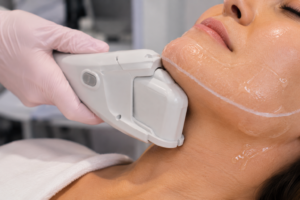
What is HIFU, and how does it tighten skin?
HIFU stands for high intensity focused ultrasound. What it does under the skin, what it treats, what a session feels like, and who it is not for.

HIFU for a sagging jawline, jowls and neck: what it can and can’t lift
HIFU by age, best age for HIFU; HIFU in your 40s / 50s / 60s, too young or too old for HIFU, HIFU prevention vs correction, Uncontested age-suitability longtails, no tracked volume, foundational-content play.

Is HIFU worth it at your age? What to expect in your 40s, 50s and 60s
HIFU by age, best age for HIFU; HIFU in your 40s / 50s / 60s, too young or too old for HIFU, HIFU prevention vs correction, Uncontested age-suitability longtails, no tracked volume, foundational-content play.
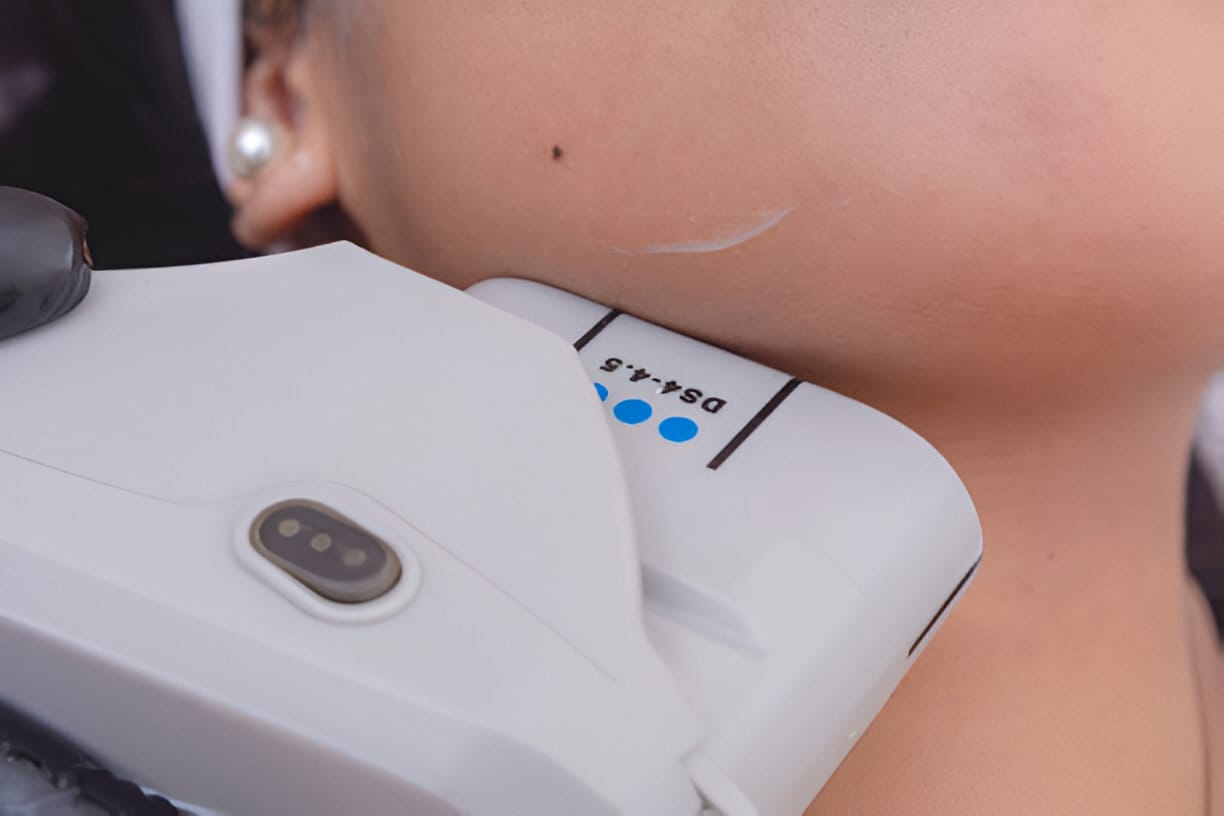
HIFU for jawline, neck and jowls: realistic results
Compare plasma skin tightening and HIFU for laxity, eyelids, jawline, downtime, healing, and realistic treatment fit.
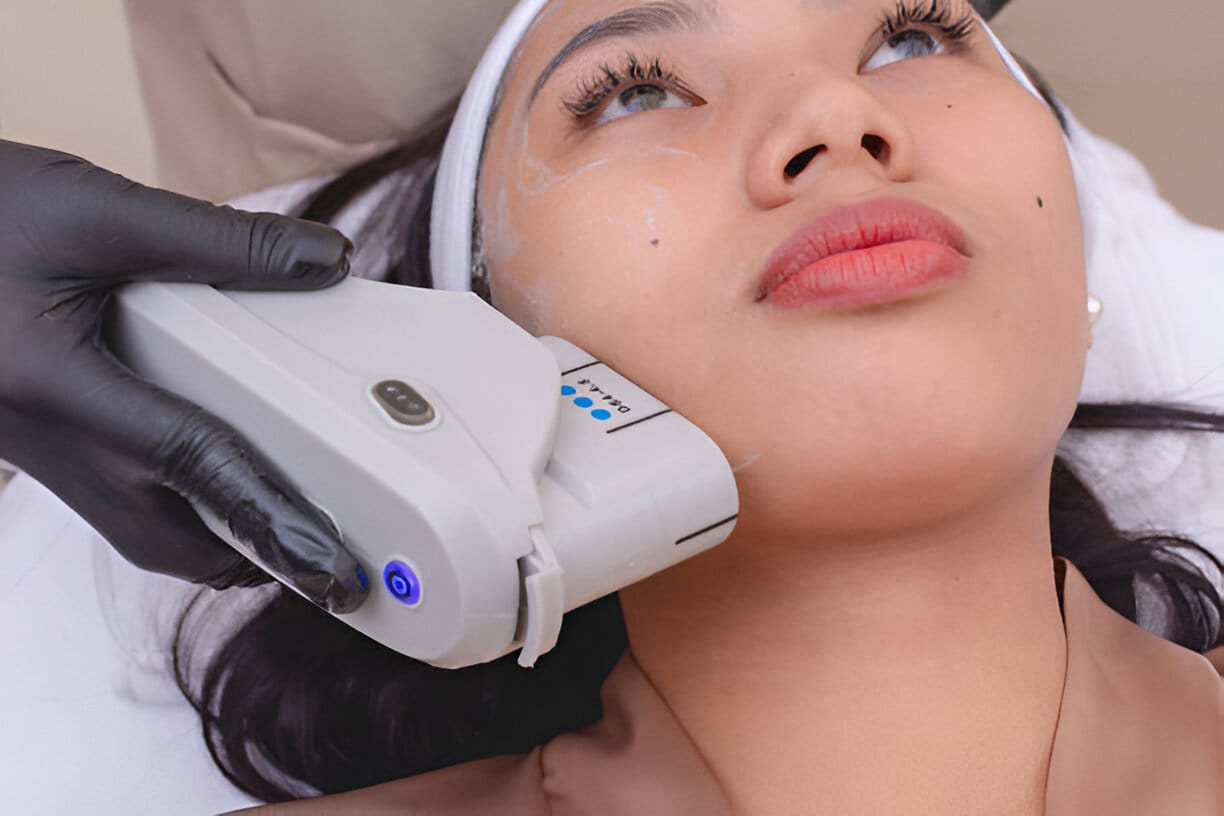
Plasma skin tightening vs HIFU: which fits the concern?
Compare plasma skin tightening and HIFU for laxity, eyelids, jawline, downtime, healing, and realistic treatment fit.
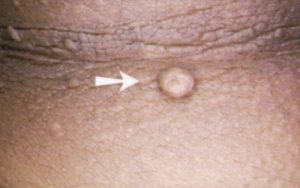
Skin tag removal: what to know before booking
Body sugaring is often seen as an alternative hair removal method, but many clients use it long term. This article explains why.
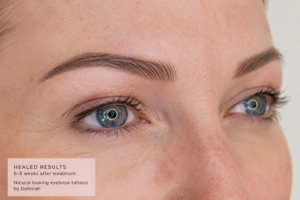
Eyebrow tattoo – styles, what to expect, and how to choose the right look
Body sugaring is often seen as an alternative hair removal method, but many clients use it long term. This article explains why.
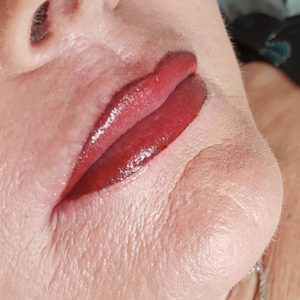
Lip tattoo explained – what to expect, healing, and how long it lasts
Body sugaring is often seen as an alternative hair removal method, but many clients use it long term. This article explains why.
All About Skinial Tattoo Removal
Skinial tattoo removal has emerged as a superior alternative to laser and other forms of tattoo removal due to its cost-effectiveness, efficiency, and overall effectiveness. With its unique approach and benefits, Skinial offers individuals a safe and reliable method for achieving tattoo-free skin.
One of the most compelling advantages of Skinial tattoo removal is its cost-effectiveness. Compared to laser tattoo removal, which often requires multiple sessions, Skinial typically demands fewer treatments, resulting in significant cost savings for the clients. The efficiency of the Skinial method ensures that the pigment is effectively brought up to the surface of the skin, allowing it to peel off naturally. This efficient process reduces the number of sessions needed, making it a more economical choice for tattoo removal.
Furthermore, Skinial tattoo removal employs lactic acid to break down the tattoo pigment. This acid is known for its ability to dissolve tattoo ink effectively. A key advantage of lactic acid is that it leaves no residue in the body after the treatment. This ensures that clients can confidently opt for Skinial without concerns about potential long-term effects on their health.
Skinial tattoo removal also stands out for its ability to remove tattoos of all colors. Whether the tattoo contains black, colorful, or even difficult-to-remove pigments, Skinial can effectively target and eliminate them. This versatility makes it a highly attractive option for individuals with tattoos of various colors.
In terms of the actual removal process, Skinial is generally less painful than laser treatment. While laser treatment can be uncomfortable and often requires the use of numbing creams or local anesthesia, Skinial offers a more tolerable experience for clients. The process involves the application of the lactic acid solution to the tattooed area, allowing the pigment to rise to the skin’s surface. As the skin naturally regenerates and peels, the tattoo gradually fades away.
Additionally, Skinial tattoo removal prioritizes individualized treatment plans. During the initial consultation, a trained professional assesses the tattoo and determines the approximate number of sessions required for complete removal. In many cases, the pigment can be removed in just one session, eliminating the need for repeated treatments. This tailored approach ensures efficient and satisfactory results for clients.
In conclusion, Skinial tattoo removal offers a range of advantages that make it a superior alternative to laser and other forms of tattoo removal. Its cost-effectiveness, ability to require fewer treatments, and capacity to remove all colors make it an appealing option for individuals seeking tattoo removal. Furthermore, the use of lactic acid ensures a safe and residue-free experience. With Skinial, individuals can confidently embark on their journey toward tattoo-free skin, knowing they have chosen a reliable and efficient method of removal.