
Further Reading

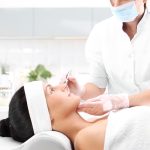
Bio-microneedling or skin needling: which one suits your skin right now?
Two treatments, almost the same name, sitting next to each other on the one menu. They are not the same thing, and the difference is depth. Our new guide sets out which complaints each one can reach, what the week afterwards asks of you, and how thin the evidence still is on the newer one.

Eyebrow tattoo gone grey or too dark: correct it, remove it, or wait it out?
Grey-blue brows, or brows that came out heavier than you agreed to, have three ways out, and only one of them is usually right for you. Our new post sets out colour correction, removal and waiting. It includes where laser is the better call, and the one risk it carries that belongs to cosmetic pigment.
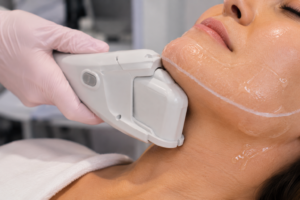
What is HIFU, and how does it tighten skin?
HIFU stands for high intensity focused ultrasound. What it does under the skin, what it treats, what a session feels like, and who it is not for.
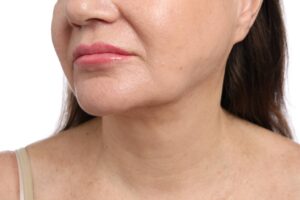
HIFU for a sagging jawline, jowls and neck: what it can and can’t lift
HIFU by age, best age for HIFU; HIFU in your 40s / 50s / 60s, too young or too old for HIFU, HIFU prevention vs correction, Uncontested age-suitability longtails, no tracked volume, foundational-content play.
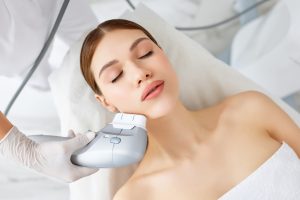
Is HIFU worth it at your age? What to expect in your 40s, 50s and 60s
HIFU by age, best age for HIFU; HIFU in your 40s / 50s / 60s, too young or too old for HIFU, HIFU prevention vs correction, Uncontested age-suitability longtails, no tracked volume, foundational-content play.
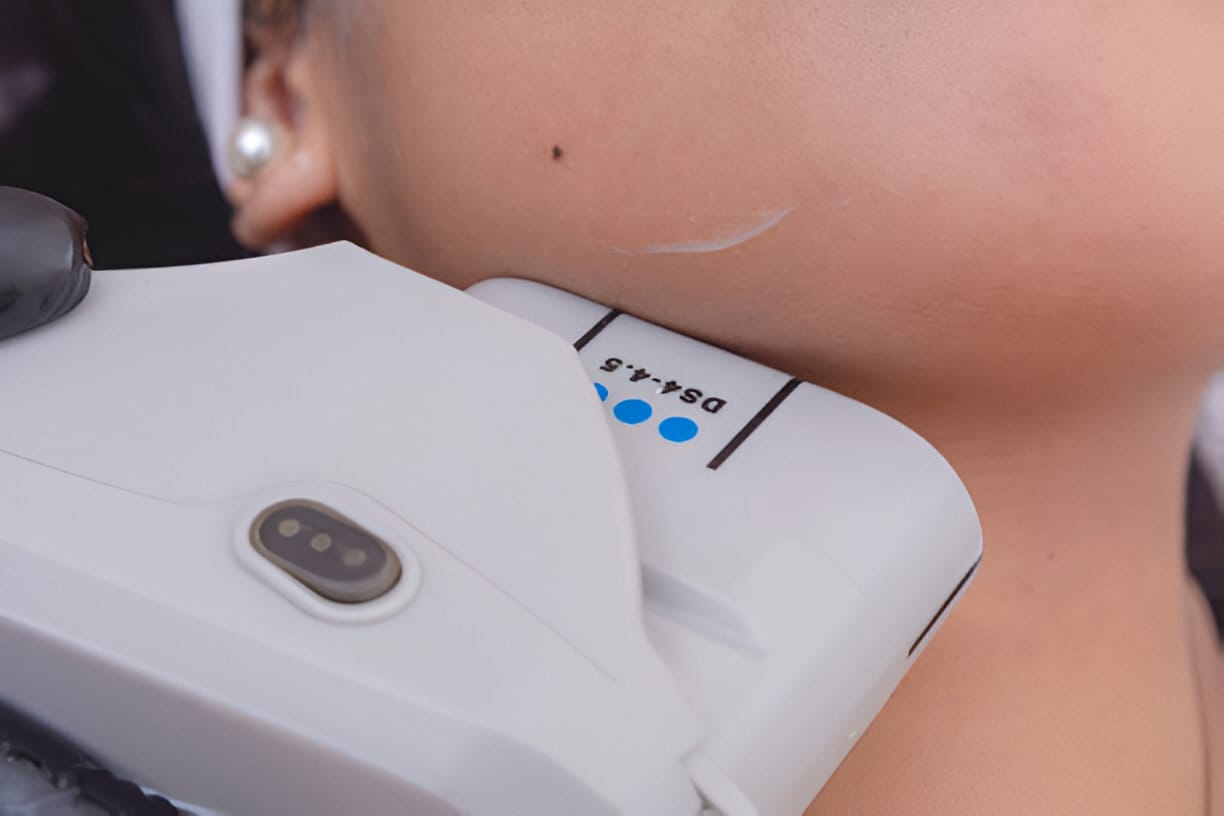
HIFU for jawline, neck and jowls: realistic results
Compare plasma skin tightening and HIFU for laxity, eyelids, jawline, downtime, healing, and realistic treatment fit.
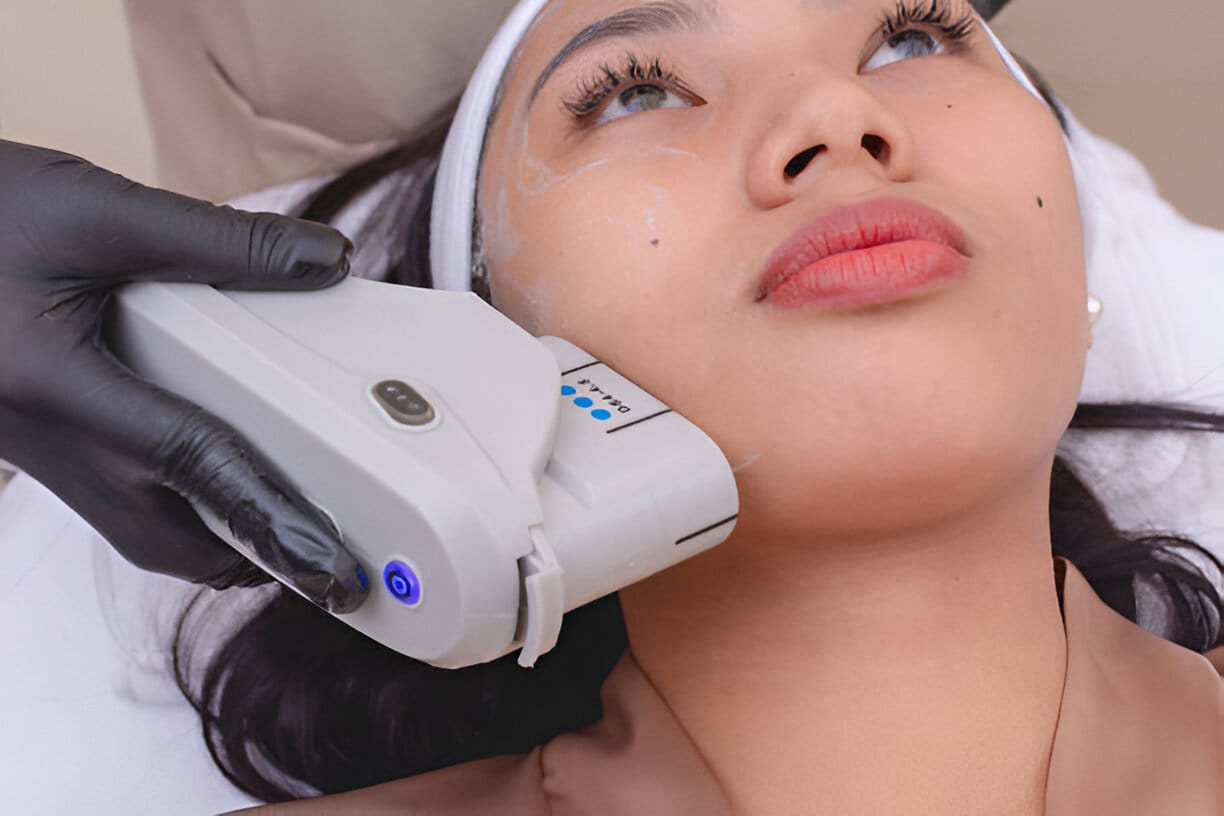
Plasma skin tightening vs HIFU: which fits the concern?
Compare plasma skin tightening and HIFU for laxity, eyelids, jawline, downtime, healing, and realistic treatment fit.
Skin tag removal: what to know before booking
Body sugaring is often seen as an alternative hair removal method, but many clients use it long term. This article explains why.
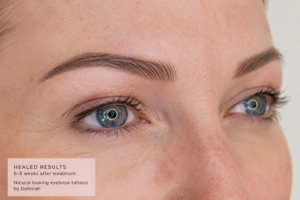
Eyebrow tattoo – styles, what to expect, and how to choose the right look
Body sugaring is often seen as an alternative hair removal method, but many clients use it long term. This article explains why.
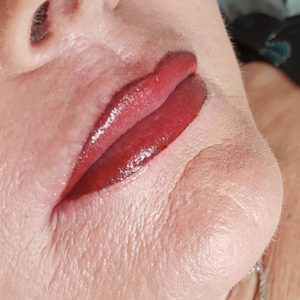
Lip tattoo explained – what to expect, healing, and how long it lasts
Body sugaring is often seen as an alternative hair removal method, but many clients use it long term. This article explains why.
Is Skin Needling Enough on Its Own, or Does It Need Support Treatments?
Skin needling is often described as a foundation treatment for improving skin quality. It is widely used to support collagen production, refine texture and improve overall skin tone. For some people, skin needling on its own delivers the changes they are looking for. For others, results can feel limited or slow, particularly when concerns go beyond surface texture.
Whether skin needling is enough depends on what the skin is being asked to do and how deeply the concern sits.
What skin needling is designed to address
Skin needling works by creating controlled micro-channels in the skin. This process stimulates the body’s natural repair response, encouraging collagen and elastin production in the upper layers of the skin.
It is particularly effective for:
- uneven skin texture
- mild acne scarring
- early signs of ageing
- overall skin quality and tone
Because it works within the superficial layers of the skin, skin needling is best suited to concerns that respond to gradual collagen stimulation rather than structural tightening.
Why results can feel subtle for some people
Collagen production is a slow biological process. Changes occur gradually and often build over a series of treatments rather than after a single session.
Results may feel limited when:
- skin laxity is more pronounced
- deeper structural support is needed
- the concern involves significant loss of firmness
- expectations are based on immediate lifting rather than long-term improvement
In these cases, skin needling is still doing its job, but it may not be addressing the full depth of the concern.

Understanding skin depth and treatment layers
Different treatments work at different levels of the skin. This is one of the most important factors in treatment planning.
Skin needling targets the upper dermal layers where collagen renewal improves texture and resilience. Fibroblasting and high intensity focused ultrasound work differently and are used when concerns extend beyond surface quality.
This distinction explains why treatments are sometimes combined rather than replaced.
When fibroblasting may be considered
Fibroblasting is typically used to address areas where skin laxity is more localised, such as around the eyes or mouth. It works on the surface of the skin to encourage tightening through controlled thermal stimulation.
It may be discussed when:
- skin laxity is visible but limited to specific areas
- the concern is more about firmness than texture
- skin needling alone is unlikely to provide enough tightening
Fibroblasting is not a substitute for skin needling. The two treatments serve different purposes and are used selectively based on skin assessment.
Where HIFU fits into treatment planning
High intensity focused ultrasound targets deeper layers of tissue. It is used when skin laxity is more advanced or when structural support needs to be addressed.
HIFU is often considered when:
- laxity extends beyond the superficial layers
- lifting and tightening are the primary goals
- collagen stimulation needs to occur at depth
Because HIFU works deeper, it is not a replacement for skin needling. Instead, it addresses a different layer of the skin.

Why combination treatments are sometimes recommended
Combination treatment planning is not about doing more for the sake of it. It is about matching the treatment depth to the concern.
Skin needling may improve surface quality, while fibroblasting or HIFU addresses firmness or lift. In some cases, treatments are spaced over time to allow the skin to respond gradually and predictably.
Not everyone needs combination treatments. Many people achieve satisfactory results with skin needling alone, particularly when concerns are mild to moderate.
The importance of realistic expectations
Skin treatments work with the body’s natural repair processes. They do not override them. Understanding what each treatment can reasonably achieve helps avoid disappointment and supports better long-term outcomes.
A thorough consultation and conservative planning are often more important than the number of treatments performed.
Frequently Asked Questions about Skin Needling and Other Treatments
Can skin needling tighten loose skin?
Skin needling can improve firmness through collagen stimulation, but it does not provide significant lifting for advanced laxity.
How many skin needling sessions are usually needed?
Multiple sessions are typically required. Improvements build gradually as collagen production increases over time.
Is fibroblasting better than skin needling?
They address different concerns. Skin needling focuses on texture and skin quality, while fibroblasting targets localised skin tightening.
Can HIFU replace skin needling?
No. HIFU works at deeper tissue levels. Skin needling remains important for surface texture and overall skin health.
Do combination treatments mean skin needling is ineffective?
No. Combination treatments are used when concerns exist at different skin depths, not because skin needling has failed.
How is the right treatment chosen?
Treatment planning is based on skin condition, concern depth and individual response rather than a one-size-fits-all approach.