Further Reading
What affects the cost of a lip tattoo?
Two lip tattoo quotes can look alike and cover very different work. Lip liner, lip blend and full lip cover different areas, and a quote should say how many visits it includes. Get the treatment, the total and every visit in writing.
How often do you redo a lash lift or eyelash extensions?
Repeat appointments matter when comparing a lash lift with extensions. The published $95 lift price includes its initial tint; separate tints and extension fills need their own budget.

What is an areola tattoo?
An areola tattoo changes appearance through colour. It does not rebuild breast tissue. After surgery, suitability and timing need a discussion with your treating breast care team.

Bio-microneedling or skin needling: which one suits your skin right now?
Two treatments, almost the same name, sitting next to each other on the one menu. They are not the same thing, and the difference is depth. Our new guide sets out which complaints each one can reach, what the week afterwards asks of you, and how thin the evidence still is on the newer one.

Eyebrow tattoo gone grey or too dark: correct it, remove it, or wait it out?
Grey-blue brows, or brows that came out heavier than you agreed to, have three ways out, and only one of them is usually right for you. Our new post sets out colour correction, removal and waiting. It includes where laser is the better call, and the one risk it carries that belongs to cosmetic pigment.
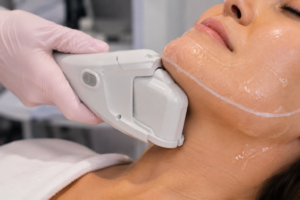
What is HIFU, and how does it tighten skin?
HIFU stands for high intensity focused ultrasound. What it does under the skin, what it treats, what a session feels like, and who it is not for.
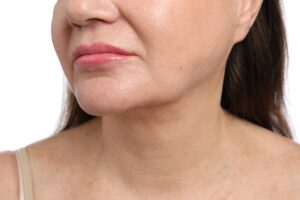
HIFU for a sagging jawline, jowls and neck: what it can and can’t lift
HIFU by age, best age for HIFU; HIFU in your 40s / 50s / 60s, too young or too old for HIFU, HIFU prevention vs correction, Uncontested age-suitability longtails, no tracked volume, foundational-content play.
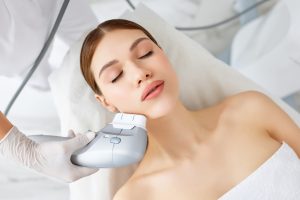
Is HIFU worth it at your age? What to expect in your 40s, 50s and 60s
HIFU by age, best age for HIFU; HIFU in your 40s / 50s / 60s, too young or too old for HIFU, HIFU prevention vs correction, Uncontested age-suitability longtails, no tracked volume, foundational-content play.
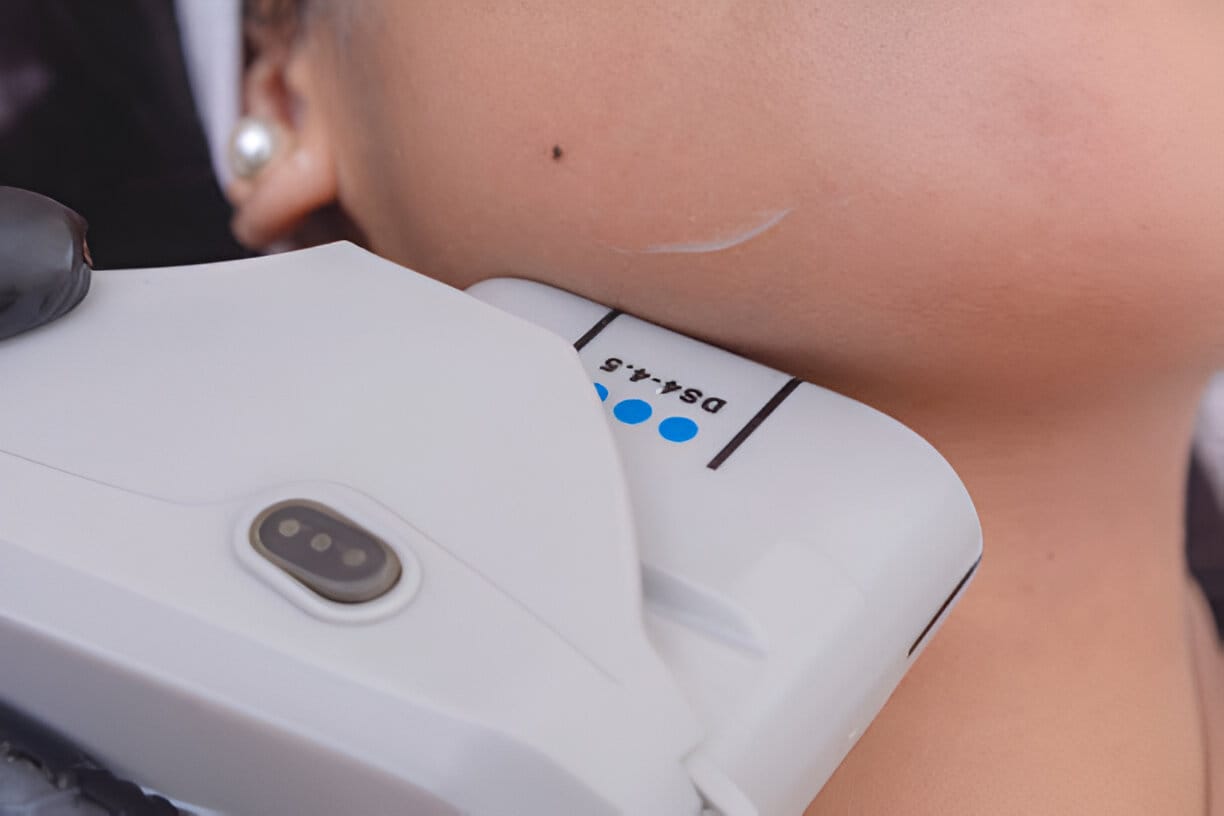
HIFU for jawline, neck and jowls: realistic results
Compare plasma skin tightening and HIFU for laxity, eyelids, jawline, downtime, healing, and realistic treatment fit.
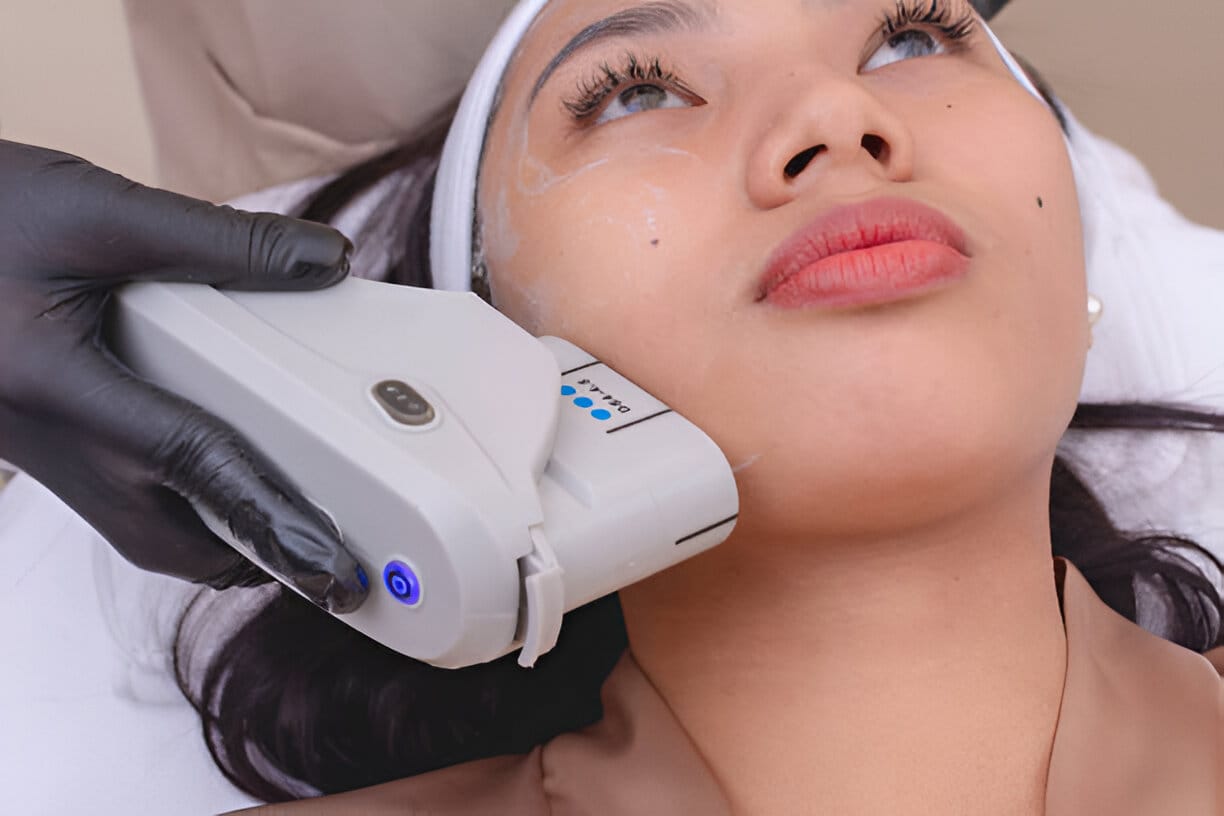
Plasma skin tightening vs HIFU: which fits the concern?
Compare plasma skin tightening and HIFU for laxity, eyelids, jawline, downtime, healing, and realistic treatment fit.
Can a scar camouflage tattoo change colour or texture?
A scar camouflage tattoo can change how a scar’s colour looks against the skin around it, so the scar is less noticeable. It cannot change the scar’s texture. Pigment does not flatten a raised scar, fill a dip or loosen tight skin.
Maybe it is a pale line on your knee that shows up more once your legs tan in summer. That is a colour problem, and colour is the part a camouflage tattoo is designed to work on.
Is the problem colour, texture or comfort?
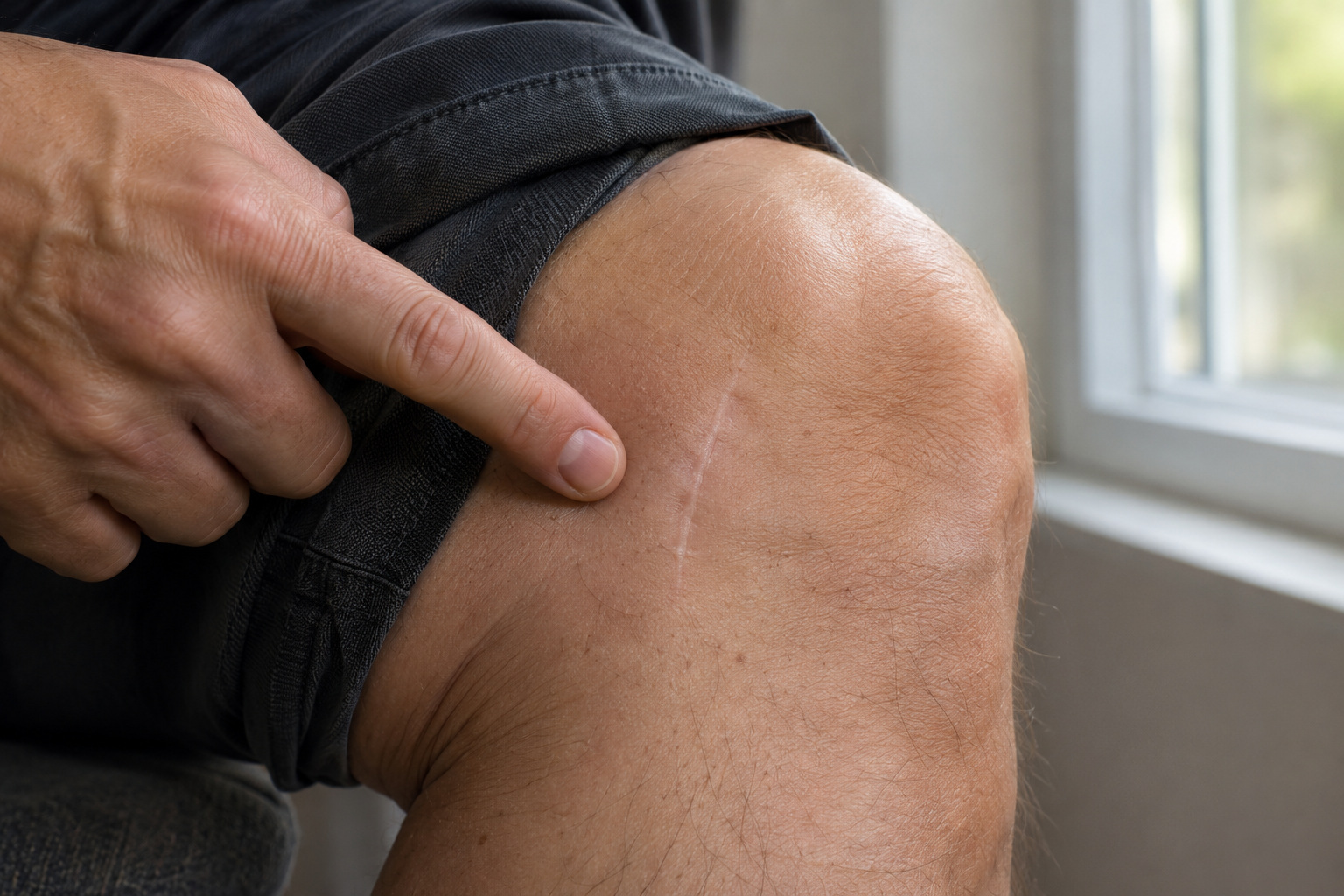
Start by working out what bothers you about the scar. Each kind of concern has a different answer.
Many scars involve more than one of these. An assessment starts from the one that matters most to you.
| Concern | What it looks or feels like | Where a camouflage tattoo fits |
|---|---|---|
| Colour | The scar looks paler, pinker or darker than the skin around it | This is the change camouflage is designed for, if an assessment finds the area suits it |
| Texture | The scar is raised, sunken or uneven to touch | Pigment does not change how the scar feels |
| Comfort or change | The scar is tight, itchy, sore, growing or still changing | See a doctor before any cosmetic treatment |
How scar camouflage works on colour
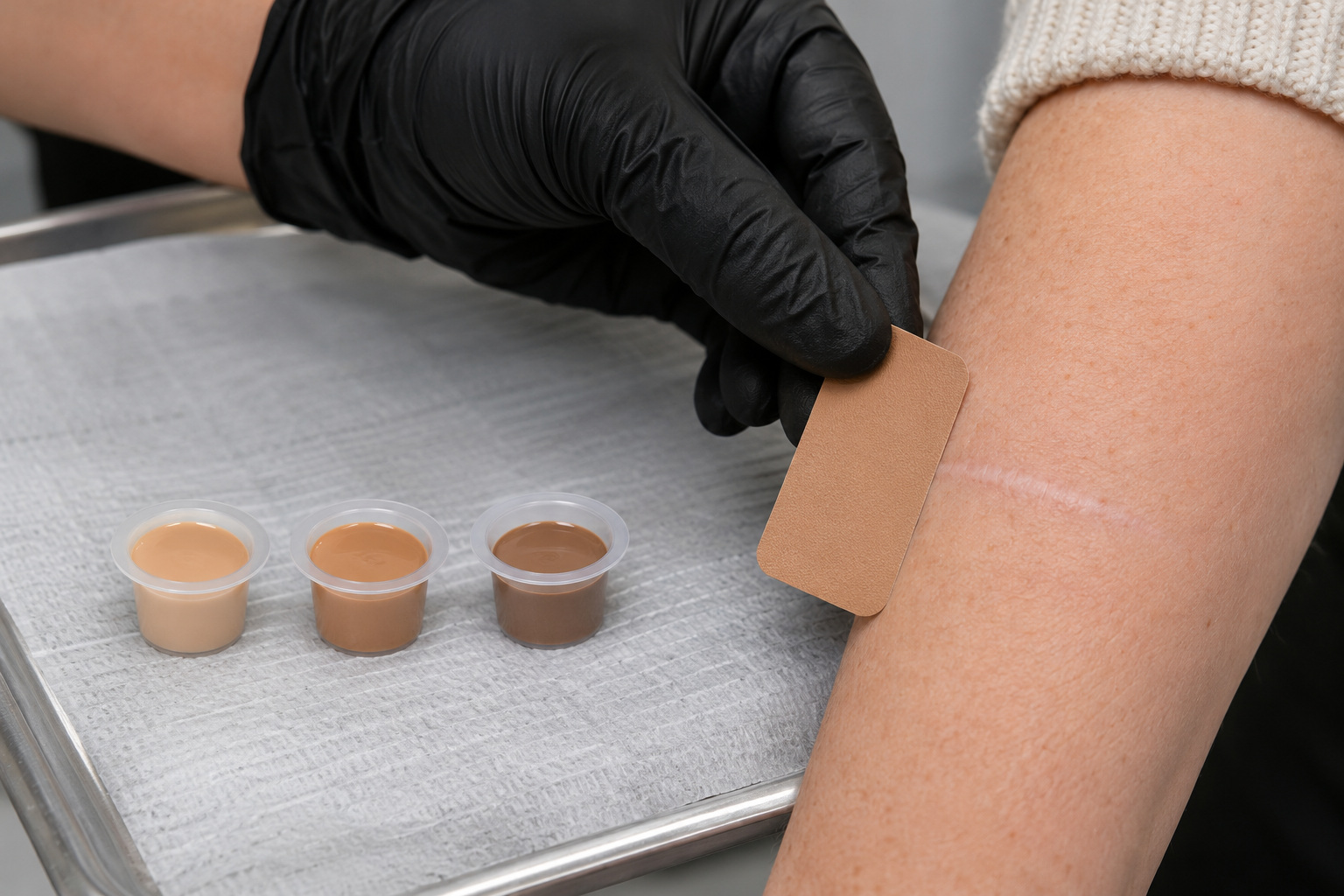
Scar camouflage is a cosmetic tattoo done on a scar. The clinic describes its purpose as reducing the colour difference between the scar and the natural skin, so the scar is not as noticeable. It is offered for scars anywhere on the body.
The method is the same as other cosmetic tattooing. Pigment is placed into the skin with a needle.
The tattoo changes colour, not shape. A raised or sunken scar can look less obvious from a distance and still feel the same under your fingers. Light falling across it can still show its outline, because the surface has not changed.
What an assessment looks at
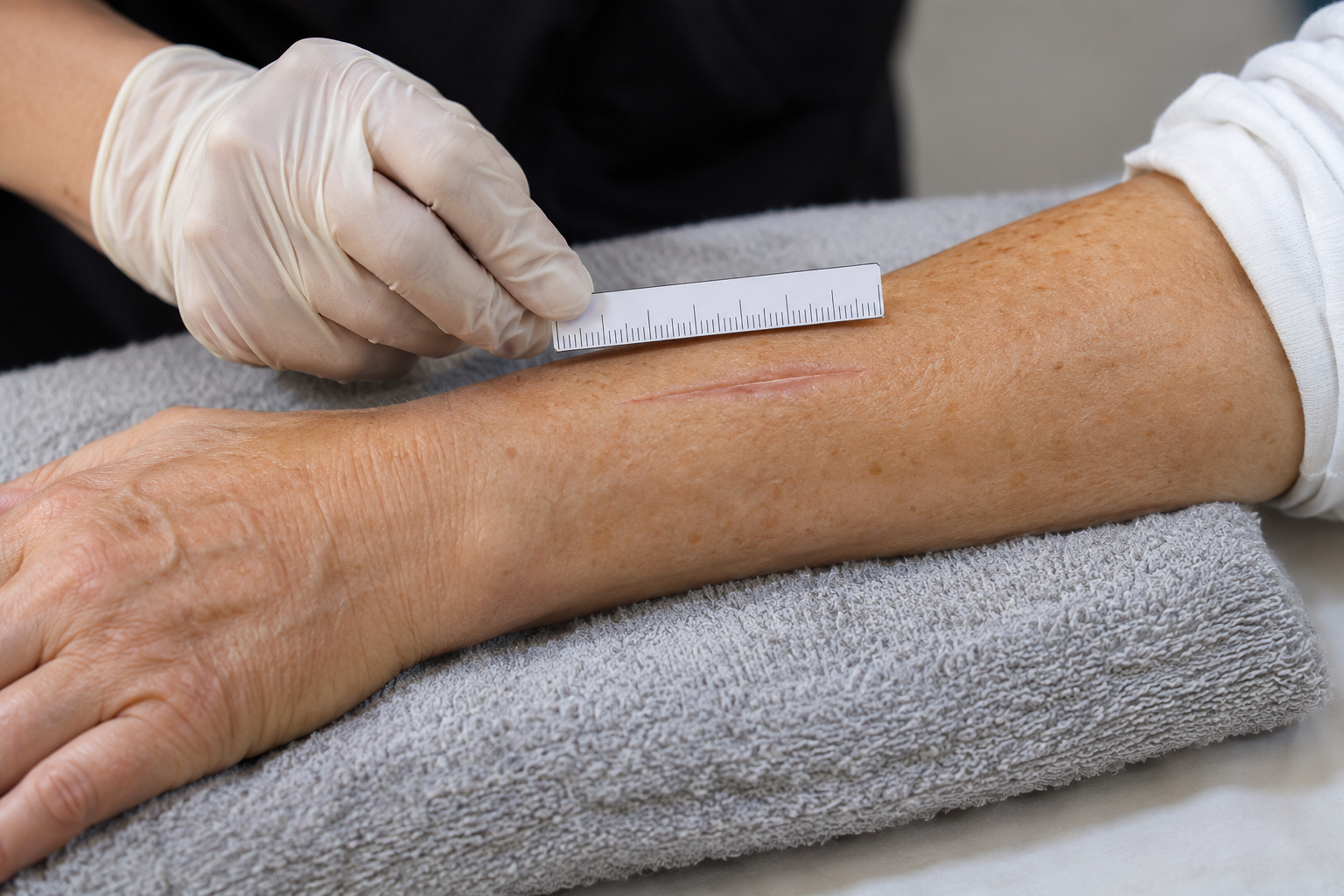
An assessment is where the practitioner looks at your particular scar and the skin around it. These are the points it needs to settle:
Together, these decide whether the area suits camouflage at all. They also shape what a plan would involve, so it helps to think about each one before you ring.
- Where the scar is and how big it is.
- The colour of the scar against the skin around it, including how that skin changes when it tans or pales.
- How the scar is now: settled or still changing, comfortable or not.
- Anything done to it before, such as surgery, earlier tattooing or another treatment.
- The result you want, described in your own words.
Limits to talk through first
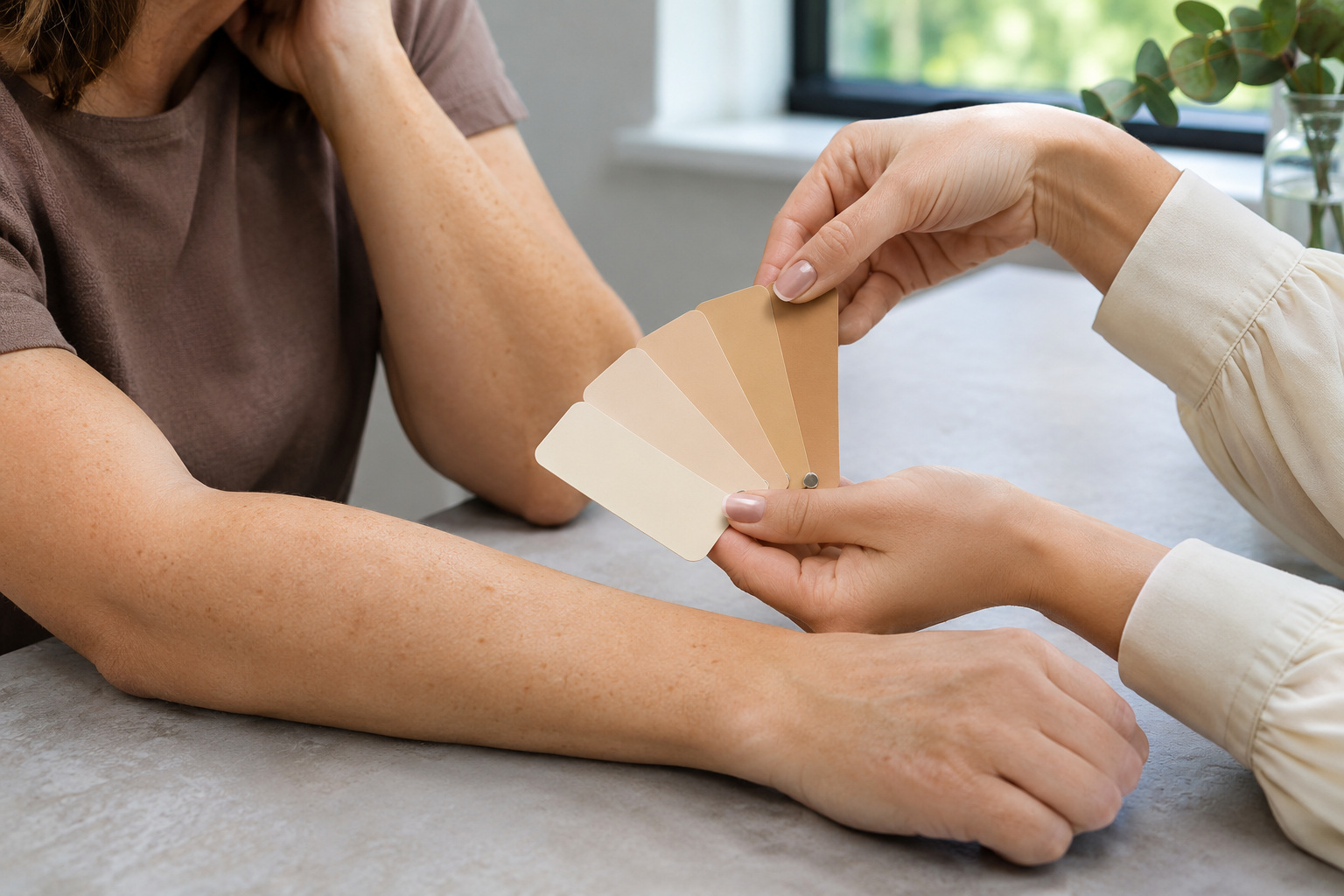
Camouflage has limits, and it is better to hear about them before you decide. No result is the same on every skin. Treat these as questions to raise at the assessment:
Pigment also fades over time, and a colour match can shift as it does. The post on why cosmetic tattoos fade explains the skin and lifestyle factors behind that.
- How close the colour match can get on your skin.
- How the match is likely to look when the skin around the scar tans in summer or pales in winter.
- The risks of tattooing your particular scar.
- Whether more than one visit is likely.
- What maintenance might involve later.
If you have had raised or thickened scars before, say so at the start. Then ask how that history affects the risks for you.
A new, changing or painful scar needs a doctor first
See a GP or dermatologist before any cosmetic tattooing if a scar is recent and still healing. The same goes for a scar that is getting bigger, changing colour, bleeding, itchy, painful or tight.
After surgery, ask your treating doctor or surgeon whether tattooing over the scar is suitable, and when. This article gives general information only. It cannot assess your own scar.
Asking for an assessment in Hornsby
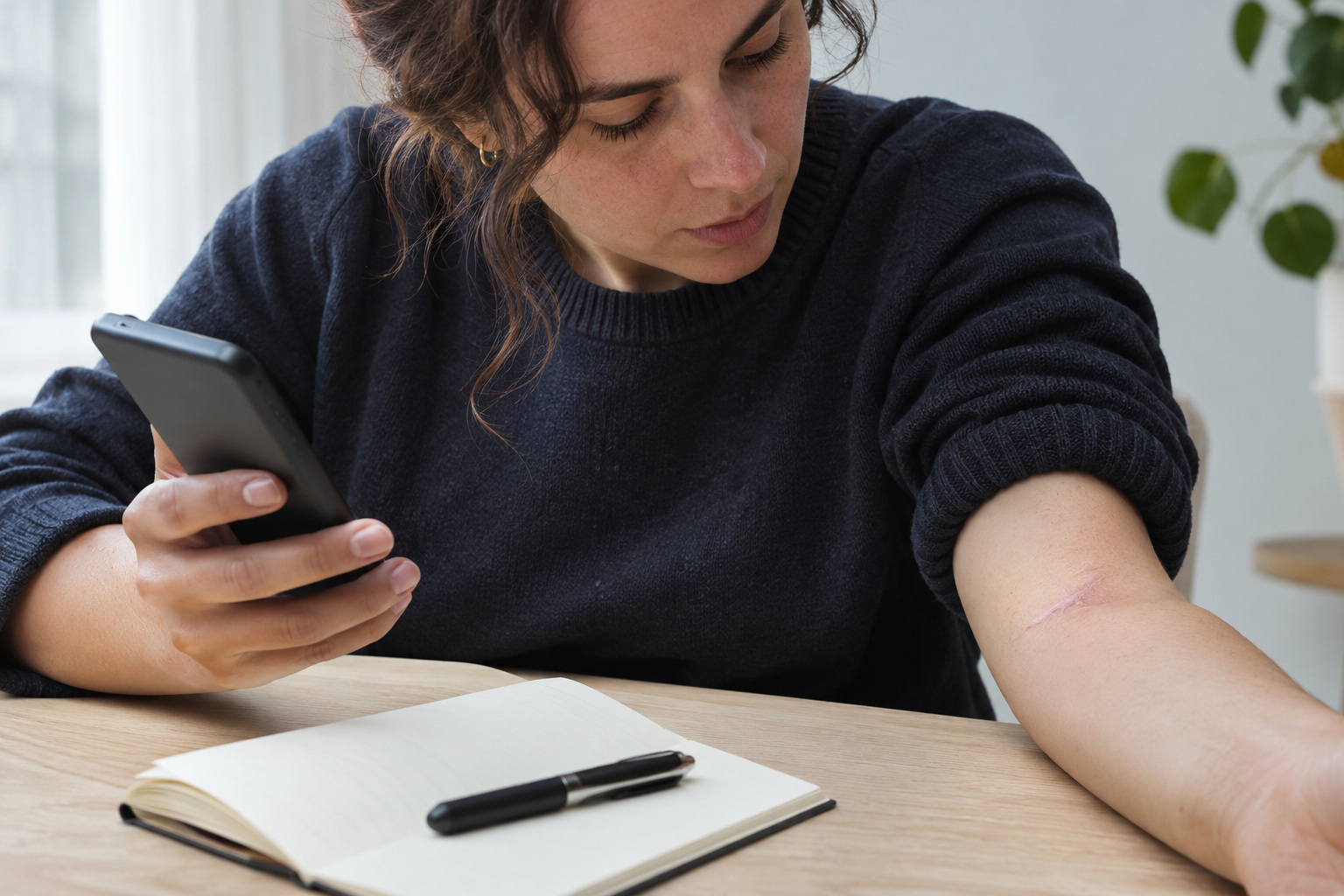
For the Love of Beauty prices scar camouflage on enquiry. The first step is a phone call or a message. Ring 02 9476 6090 or 0412 476 262. The clinic is open Wednesday to Friday from 8:30am to 4pm and Saturday from 8:30am to 1pm. It is closed Sunday to Tuesday.
Say where the scar is and what bothers you about it. Then ask three things: whether that area can be assessed, what a plan would cover and what it would cost.
If you would rather write, you can send an enquiry with your name, email and phone number. The booking page uses the same form. It shows no live calendar, so a time is arranged after you hear back. Scar camouflage is listed with the clinic’s other options on the cosmetic tattoo service page.
Before you ring, look at the scar in daylight. Note whether it looks paler, pinker or darker than the skin around it. That one detail helps the practitioner see whether yours is mainly a colour question.